WONCA at the WHO Executive Board
Keeping family medicine on the agenda
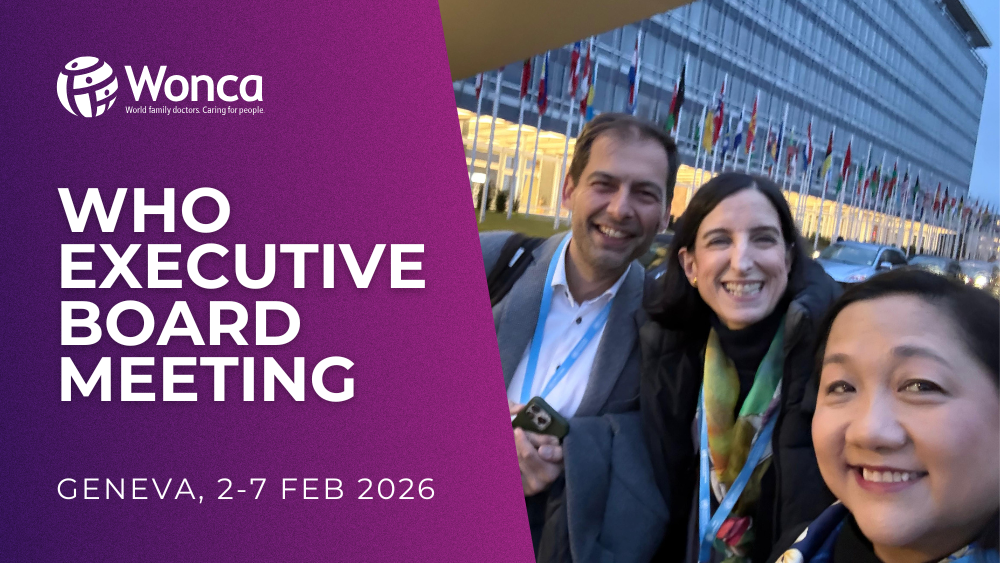
WONCA is taking part this week in the 158th session of the WHO Executive Board (EB158), taking place in Geneva from 2-7 February 2026.
As a non-State actor in official relations with WHO, WONCA has a formal channel to bring the perspectives of family doctors into global health governance. It allows us to speak to agenda items, submit statements in advance, and build sustained working relationships with WHO technical teams and Member State delegations.
The WHO Executive Board is one of WHO’s main governing bodies. It is made up of 34 Member States, each represented by a senior health official, and it meets twice a year. The Board agrees the agenda and priorities that will later go to the World Health Assembly, and it reviews how WHO’s work is progressing, from health emergencies and disease prevention to workforce planning, digital health and financing.
Our delegation this week includes WONCA-WHO Liaison Dr Kim Yu, WONCA President-Elect Prof. Maria Pilar Astier Pena, and WONCA Chief Executive Officer Dr Harris Lygidakis. Together, they are engaging across the agenda to make sure family medicine is understood not as an add-on, but as essential infrastructure for health systems that aim to be fair, resilient, and close to communities.
Photo: WHO
A challenging backdrop, and clear signals for primary care
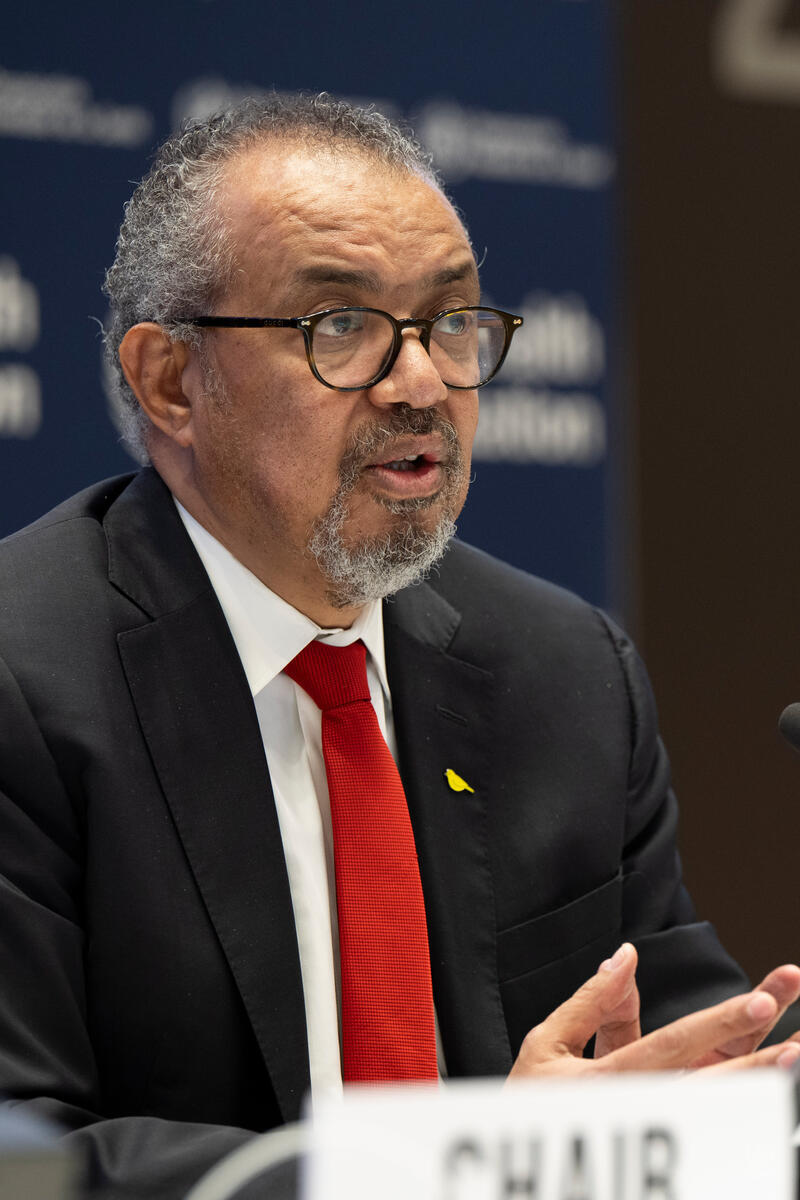
In his opening address to the Executive Board, WHO Director-General Dr Tedros Adhanom Ghebreyesus (pictured) set out a mixed picture for 2025, with real policy advances alongside deep financial strain.
He pointed to major global health governance steps, including the WHO Pandemic Agreement, the entry into force of the amended International Health Regulations, and continued movement on financing through assessed contributions. He also described sudden and severe cuts to funding that forced WHO to reduce its workforce, while similar cuts to bilateral aid disrupted health services in many countries.
Against that difficult backdrop, he highlighted progress in prevention and on the determinants of health, including tobacco control, health taxes, air pollution and climate action. He also pointed to strengthened health financing support, expanded training through the WHO Academy, wider use of digital technologies and AI for data and surveillance, improved access to medicines and vaccines, and continued emergency response in outbreaks and humanitarian crises.
Several messages land directly in the everyday reality of family doctors.
- The workforce gap is still growing. Dr Tedros underlined that lack of access to health workers is a key reason people miss out on care, and warned of a projected global shortfall of 11 million health workers by 2030.
- Universal health coverage is not yet universal. Billions of people still lack access to essential health services, and many face financial hardship because of health costs. This strengthens the case for properly financed primary health care that is accessible and affordable.
- Noncommunicable diseases and mental health are central. His emphasis on long-term conditions reflects the core work of family medicine: prevention, early detection, safe long-term management, and continuity of care in the community.
- Digital health and AI are moving from pilots to infrastructure. That brings opportunities, but also risks, for safety, equity and trust.
- Conflict and crisis continue to shape health. His comments on humanitarian response and attacks on healthcare are a reminder of the pressures facing frontline teams in fragile and conflict-affected settings.
WONCA’s priorities and messages at EB158
Across EB158, WONCA is focused on a consistent set of messages: invest in the primary care workforce, strengthen training and retention of family doctors, design health systems around people and communities, and protect continuity of care as digital tools expand.
This week’s statements reflect those priorities:
- On primary health care, WONCA calls for investment to reach the frontline, protection of continuity and person-centred care as digital health expands, and meaningful engagement of family doctors and communities in implementation and accountability.
- On international recruitment of health personnel, WONCA stresses that universal health coverage is only as strong as the workforce delivering it, and urges Member States to prioritise high-quality family medicine training and retention as part of national workforce strategies.
- On digital health and AI, WONCA supports stronger governance and standards, and calls for family doctors to be involved in design and oversight so tools improve safety, protect privacy, and reduce administrative burden without widening inequalities.
- On prevention and control of NCDs, WONCA welcomes political momentum on NCDs and mental health, and stresses that primary care teams need the medicines, diagnostics and training to turn targets into real care for people.
- Through a constituency statement on health emergencies, WONCA joins partners in calling for NCD services to be integrated into preparedness and response, with strong primary healthcare and universal health coverage treated as core emergency infrastructure.
- On engagement with non-State actors, WONCA supports fair, objective processes that protect meaningful civil society participation, especially in a time of financial constraints.
These interventions are backed by relationship-building across the week, including engagement with partners working on NCDs, health emergencies, and the health workforce, and ongoing dialogue with WHO teams.
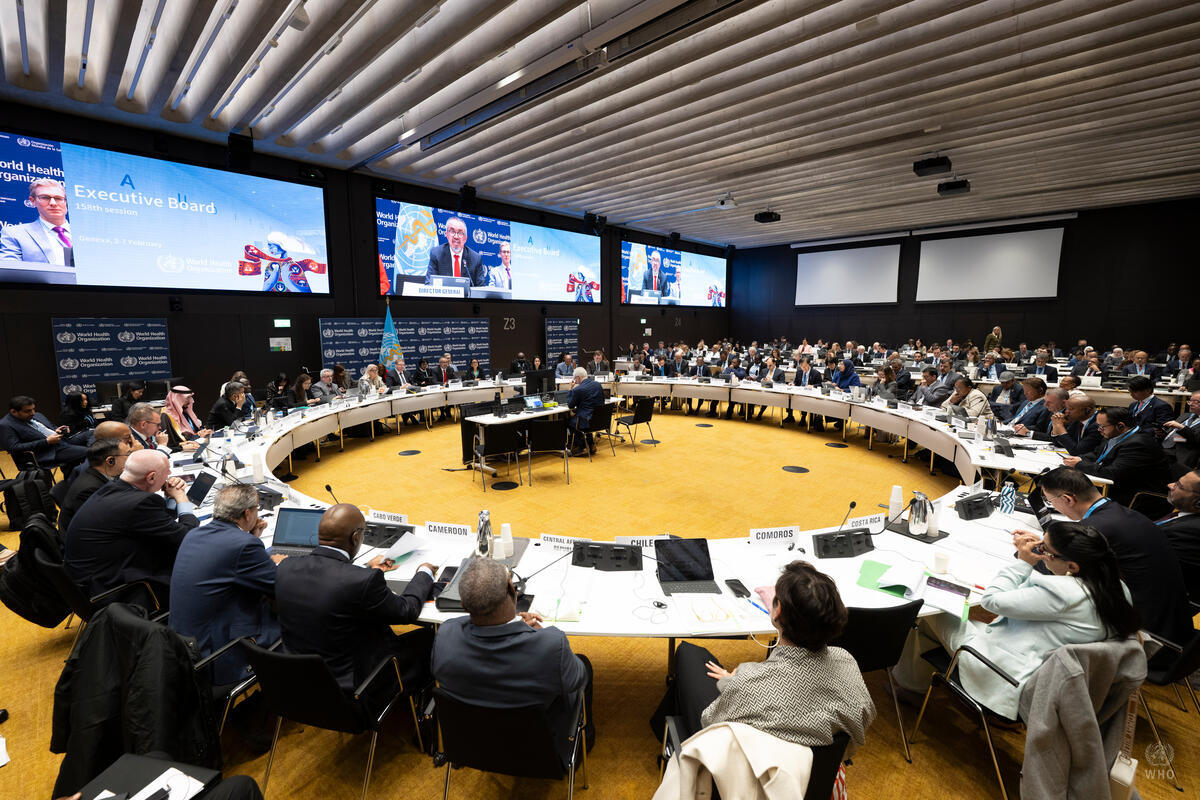
Photo: WHO
Full WONCA statements submitted to EB158
Our statements page
WONCA delegation
If you are in Geneva this week and would like to connect with the WONCA delegation, please reach out.
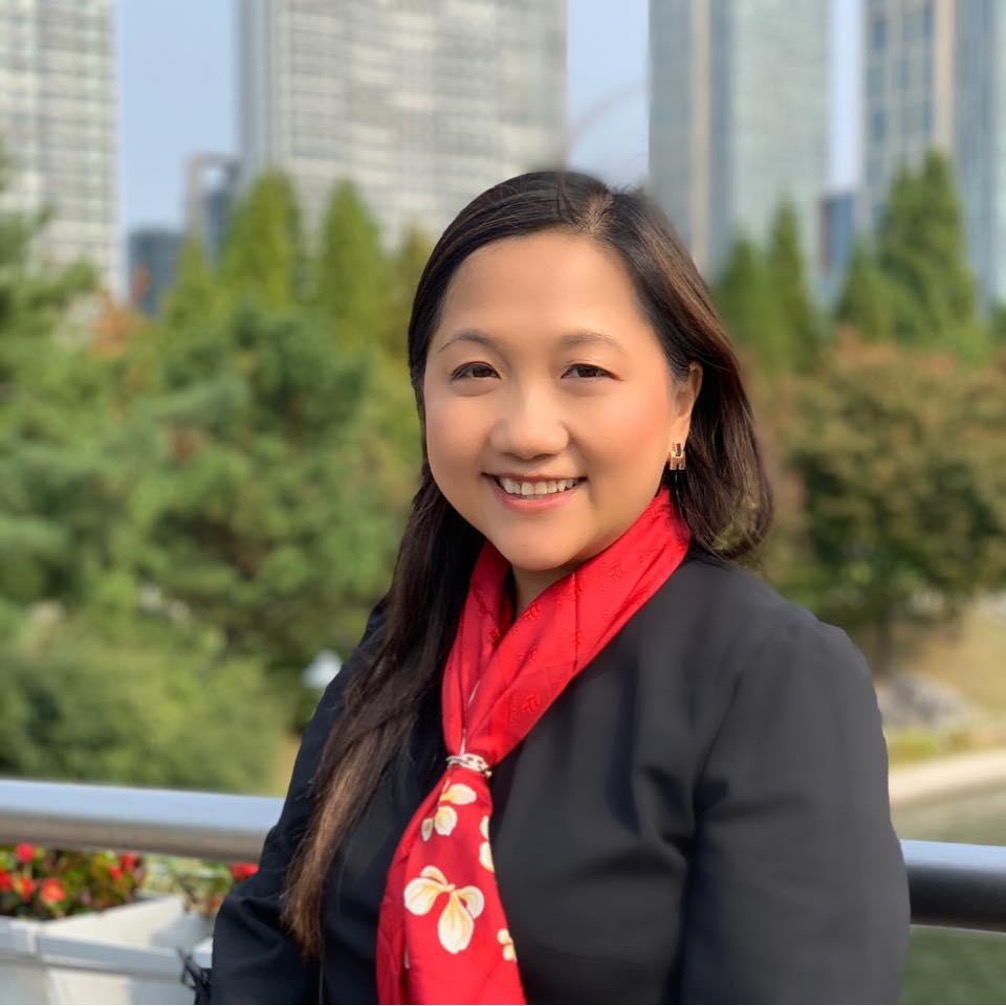
Dr Kim Yu (USA)
WONCA-WHO Liaison
Dr Yu is an executive family physician leader and international speaker, with long-standing involvement in WONCA and the American Association of Family Physicians (AAFP). She was elected to WONCA's Executive Committee in September 2025. She focuses on global health, health equity, advocacy, leadership development, and strengthening primary care for underserved communities.
whowonca@wonca.com
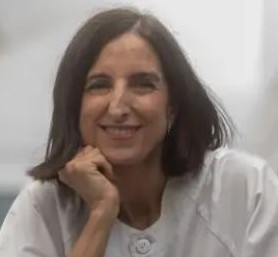
Prof María Pilar Astier-Peña (Spain)
WONCA President-Elect
Prof Astier-Peña is a family doctor in Zaragoza and a professor at the University of Zaragoza. She works on diagnostic safety and ethics, leads patient safety efforts, and has held senior WONCA quality and policy roles.
pilar.astierpena@wonca.com

Dr Harris Lygidakis
WONCA Chief Executive Officer
Dr Lygidakis is a family doctor by training with a medical degree from the University of Bologna and a PhD from the University of Luxembourg. Appointed CEO in 2020, he leads the WONCA Secretariat in Brussels.
harris.lygidakis@wonca.com