79th WHO Regional Committee for South-East Asia
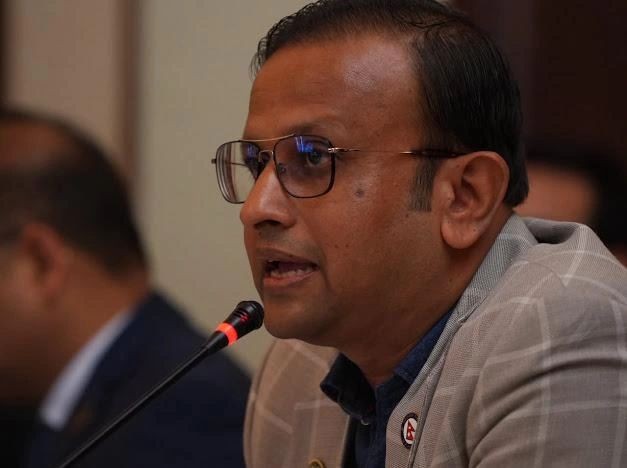 Dr Pramendra Prasad Gupta, President of WONCA South Asia Region, speaking at RC79 in Dili
WONCA South Asia Region President Dr Pramendra Prasad Gupta represented WONCA at the 79th session of the WHO Regional Committee for South-East Asia (RC79), held in Dili, Timor-Leste, from 7 to 10 September 2026, where he delivered WONCA's statement on digital health and artificial intelligence.
Dr Gupta (Nepal) attended on behalf of WONCA. Alongside health ministers, WHO leadership and regional policymakers, he took part in the Committee's discussions on the health workforce, disease control, resilient health systems and the digital transformation of health care.
The Regional Committee is WHO's governing body for the South-East Asia Region. This year's agenda covered universal health coverage and the health-related Sustainable Development Goals, multi-disease elimination, tuberculosis, equitable access to specialist care, medical devices and diagnostics, resilient health facilities and digital health and artificial intelligence.
At a Ministerial Roundtable on 8 September, health ministers adopted the Dili Declaration on Human resources for health: Equity in specialized care (SEA/RC79/R1). The Declaration commits countries to strengthen the health workforce so that all people, including those living in rural, remote and underserved areas, can reach quality specialist care. It calls for better use of existing workforce capacity through multidisciplinary teams, task-sharing, family medicine, specialist outreach, mentoring and stronger referral systems, and it stresses that equitable access to specialist care must go hand in hand with strong primary health care.
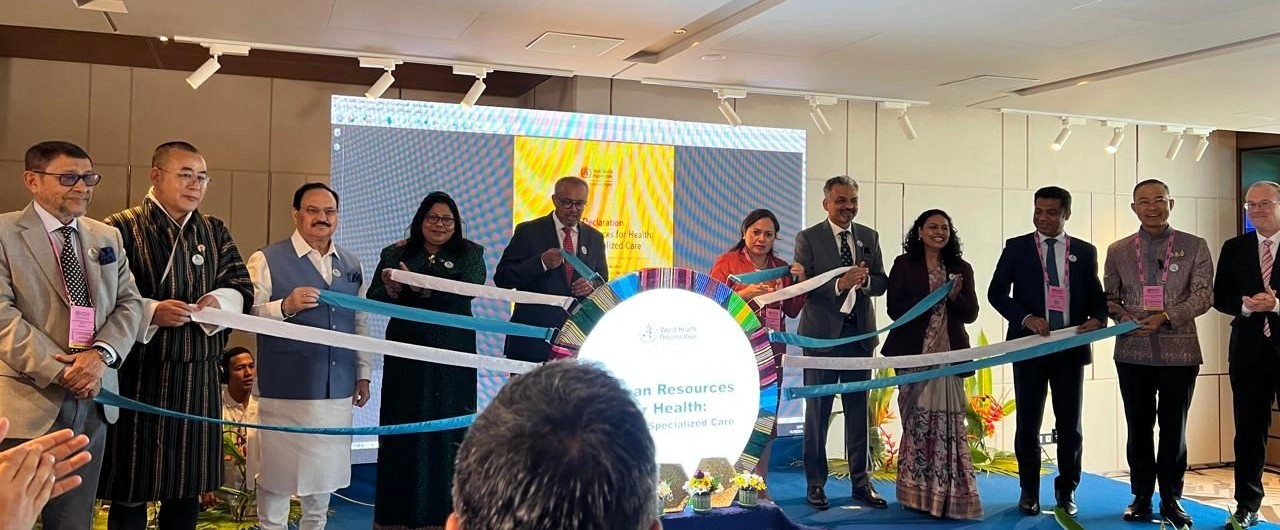 Launch of the Dili Declaration on Human resources for health: Equity in specialized care at RC79
Member States also adopted resolutions on patient and blood safety, sustainable financing for health, ending tuberculosis, access to medical devices, in vitro diagnostics and assistive technology, health facility resilience and vaccine confidence and uptake. They extended the regional action plan on viral hepatitis, HIV and sexually transmitted infections to 2030 and established a new regional network for cooperation on digital health and artificial intelligence.
Putting primary care at the heart of digital health
On 9 September, Dr Gupta delivered WONCA's statement under Agenda Item 8.6: Establishment of the South-East Asia Digital Health and Artificial Intelligence Collaborative Network (SEA-DAC) (Document SEA/RC79/13). The network, established by the Committee in resolution SEA/RC79/R7, will bring countries together to share expertise and practical approaches, strengthen digital health systems and advance the responsible use of AI.
Speaking for family doctors and primary care teams, often the first and most trusted point of contact for communities, Dr Gupta said WONCA South Asia Region strongly supports the establishment of the network. He told the Committee that digital transformation must not transform primary care out of the system, but must transform primary care itself, and that for millions of people in rural, remote and underserved communities it must begin in primary care.
He urged Member States to embed primary care in the design and testing of digital public infrastructure, interoperability standards and AI tools, so that these technologies fit frontline workflows, strengthen clinical decision-making and continuity of care and adapt to different health-system contexts. He called for investment in people as well as technology, with digital literacy, data governance and responsible AI built into health-professional education and lifelong learning, and for equity and trust to be the measures of success: whether technology reaches remote communities, reduces inequity, protects privacy and strengthens relationships between patients and health professionals.
"The future of healthcare is digital, but its heart must remain human," Dr Gupta said, offering WONCA South Asia's expertise in capacity-building, peer learning and the evaluation of real-world implementation.
Watch Dr Gupta deliver the statement on the WHO RC79 webcast (from 6:25:30)
Read the full statement
Family medicine across the RC79 agenda
Reflecting on the session, Dr Gupta said that strong, equitable health systems are built on primary care, and that RC79 underlined the need to connect regional policy with frontline community practice. He highlighted priorities that align with WONCA South Asia's work:
- Health workforce: strengthening primary care capacity is the strongest lever for closing gaps in care between urban and rural areas, as the Dili Declaration seeks.
- Digital health and AI: SEA-DAC can give family doctors safe, scalable tools for early detection and continuity of care.
- Disease control: on noncommunicable diseases, ending TB by 2030 and vaccine confidence, family doctors are the first line of defence.
- Resilient health systems: advancing universal health coverage means equipping primary care facilities to withstand climate shocks and public health emergencies.
Delivering on these commitments, he said, requires recognising family medicine as the essential engine of resilient health systems, and WONCA South Asia stands ready to work with governments, ministries of health and WHO to turn regional resolutions into practical health outcomes in communities across South Asia.
Meeting WHO leaders
During the session, Dr Gupta also met WHO Director-General Dr Tedros Adhanom Ghebreyesus and Dr Hans Kluge, WHO Regional Director for Europe.
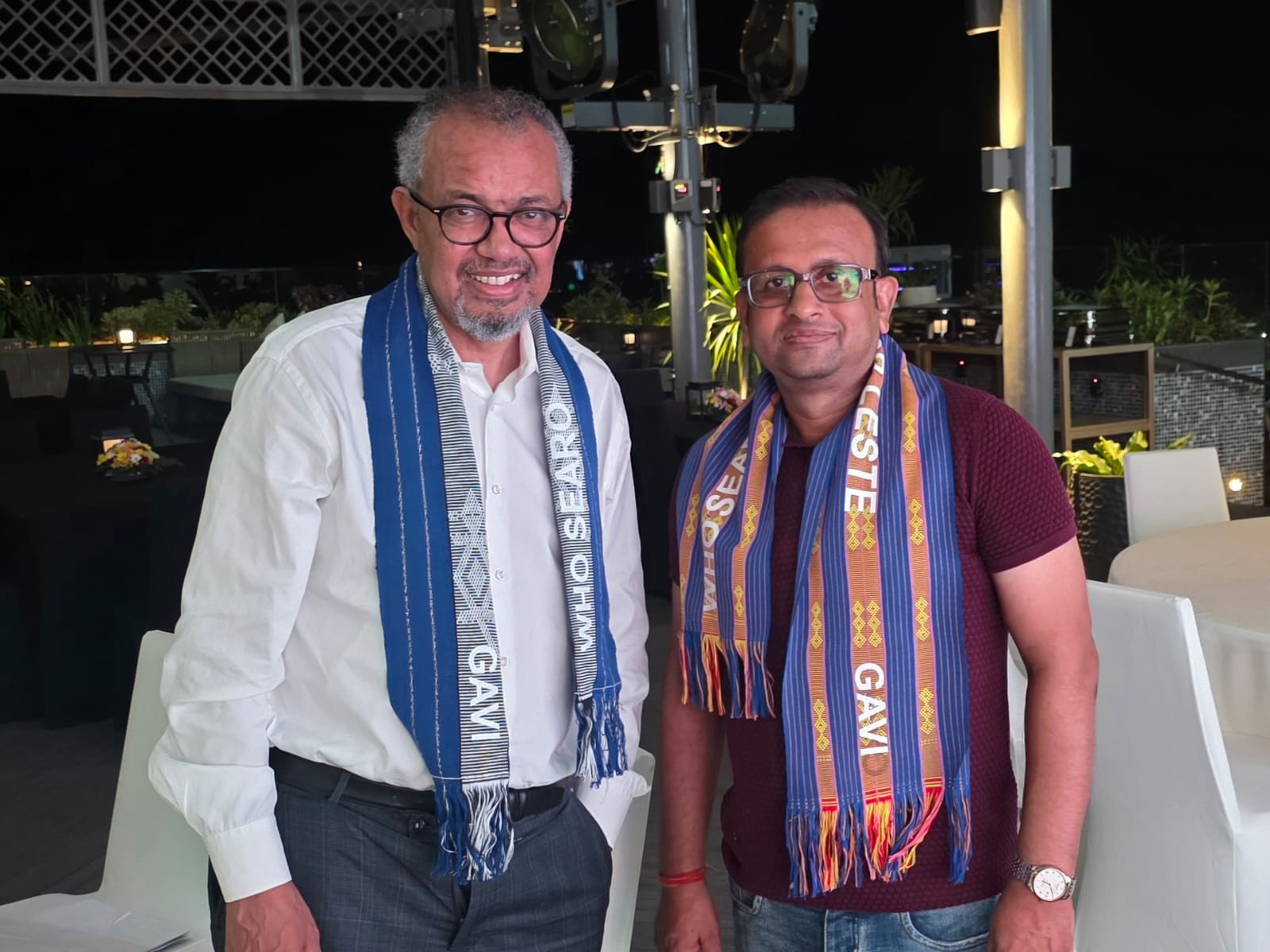 Dr Pramendra Prasad Gupta with WHO Director-General Dr Tedros Adhanom Ghebreyesus
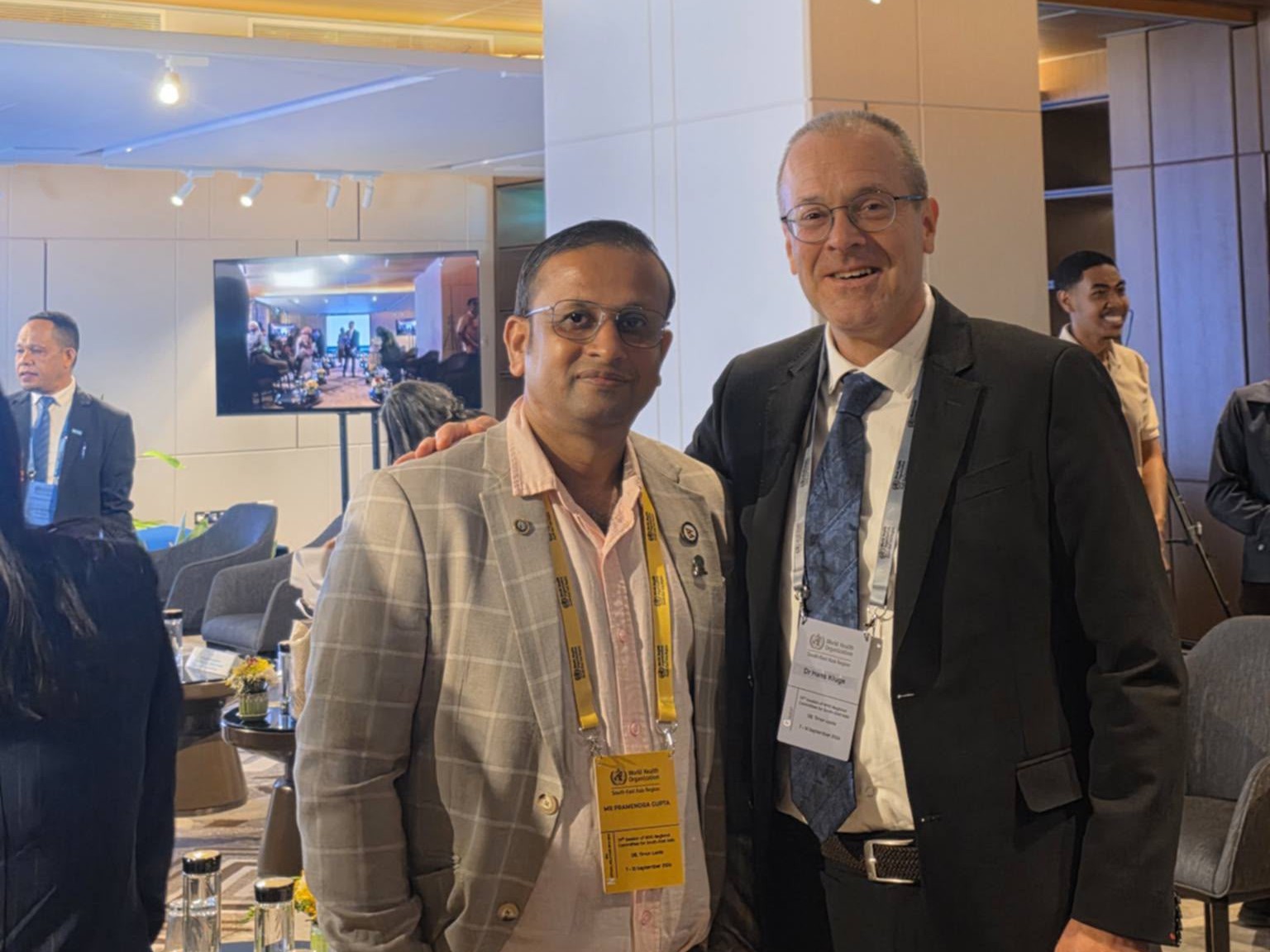 Dr Pramendra Prasad Gupta (left) with Dr Hans Kluge, WHO Regional Director for Europe
WONCA's participation in RC79 was an opportunity to promote family medicine as the foundation of strong primary health care in the South-East Asia Region, and to bring the voice of family doctors to the Region's new cooperation on digital health and artificial intelligence.
Visit the RC79 website
Explore WONCA South Asia
WONCA's statements and interventions to WHO and PAHO governing bodies are collected on the WONCA Policy Statements page.