3rd World Congress of Age-Friendly Cities and Communities
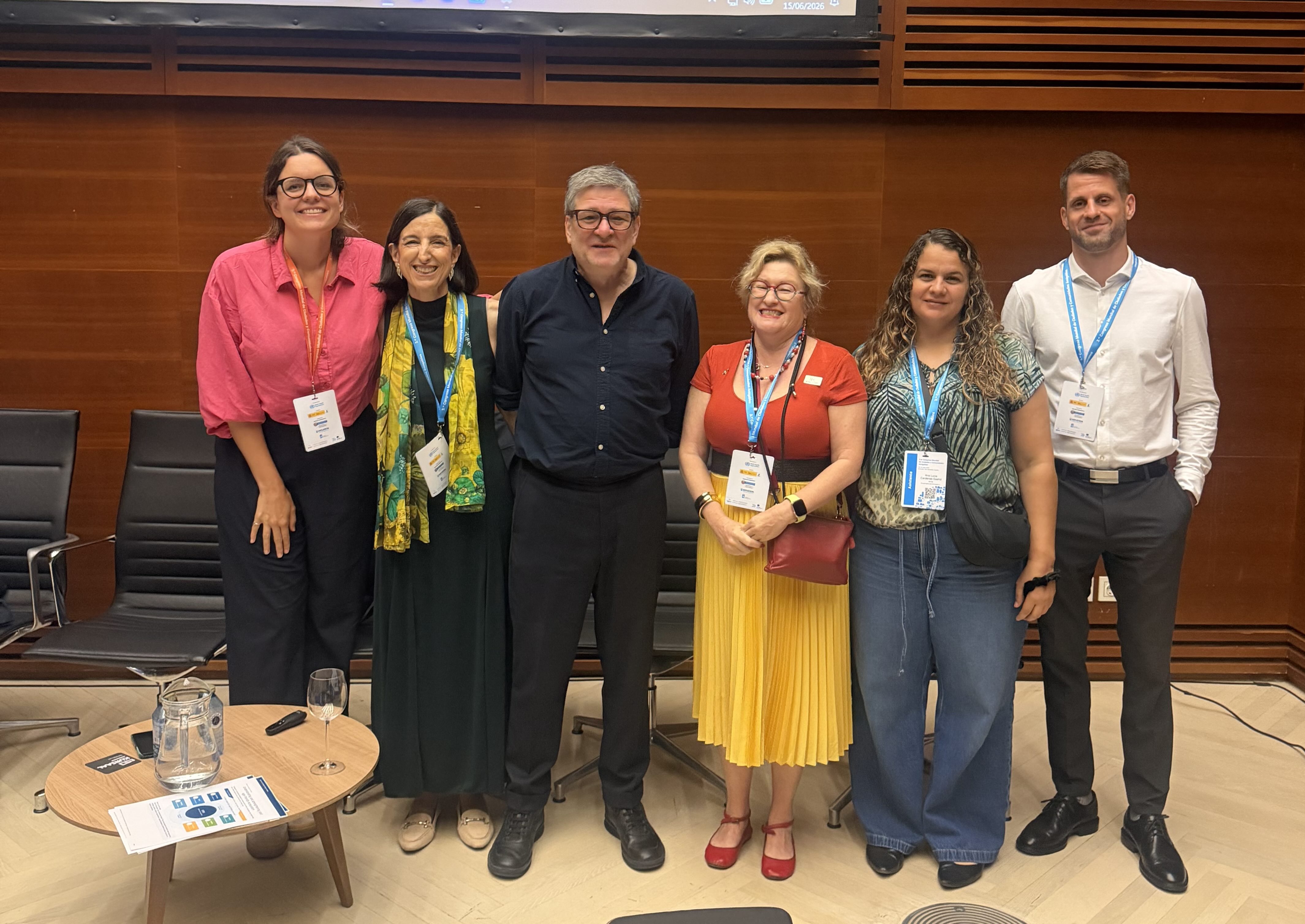

Participation Report submitted by Prof María Pilar Astier Peña
President-elect of WONCA
Location: Kursaal Congress Venue, San Sebastián, Spain
Date: June 15, 2026
Summary
As the President-elect of WONCA, my participation in the 3rd World Congress of Age-Friendly Cities and Communities focused heavily on bridging the gap between municipal age-friendly strategies and primary clinical care. A key highlight of this involvement was establishing close cooperation and joint advocacy with Yuka Sumi, the World Health Organization (WHO) Healthy Ageing representative.
Together, our efforts focused on finding active operational pathways to disseminate the Integrated Care for Older People (ICOPE) framework among family doctors globally, ensuring that primary care teams are equipped to assess and manage declines in intrinsic capacity right within their local communities.
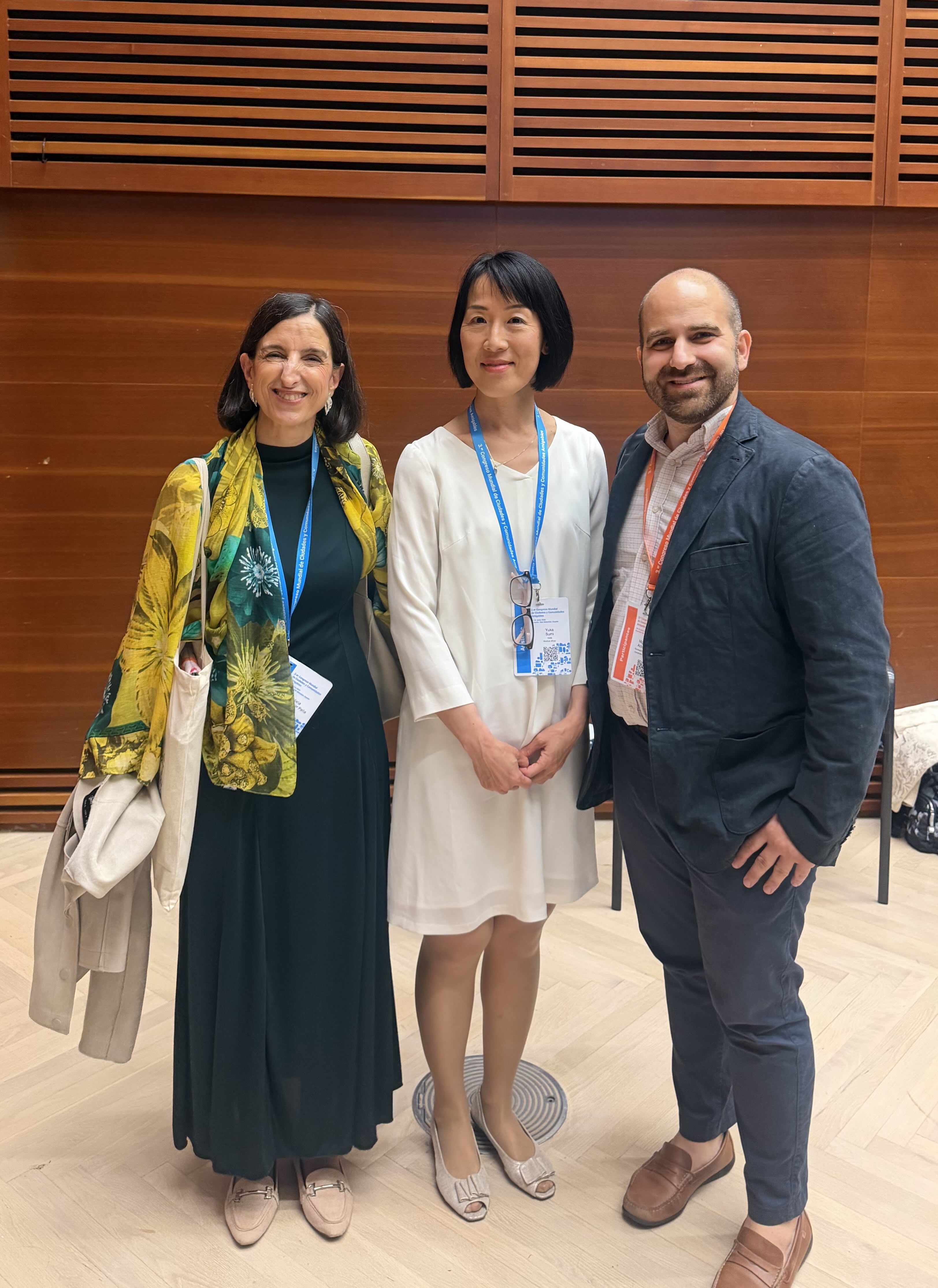
María Pilar Astier Peña with colleagues during the ICOPE workshop.
Active Workshops and Session Interventions
1. Workshop: Translating ICOPE into AFCC Action
Session Title: Integrating Care for Older People through Age-Friendly Cities and Communities
Time and Venue: Monday, June 15, 14:00–15:30 | Kursaal, Room 7
Lead Organizer: WHO – Yuka Sumi
Key Involvement and Focus: This highly collaborative workshop brought together local governments, community leaders, and primary healthcare workers. In alignment with WONCA’s core mission, my engagement focused on advocating for family doctors as central pillars of the ICOPE care pathway.
During the session, we explored how the WHO Global Network for Age-Friendly Cities and Communities (AFCC) can seamlessly support clinical workflows. While municipalities provide the physical and social infrastructure, such as housing, transport, and community groups, family doctors provide person-centered clinical assessments.
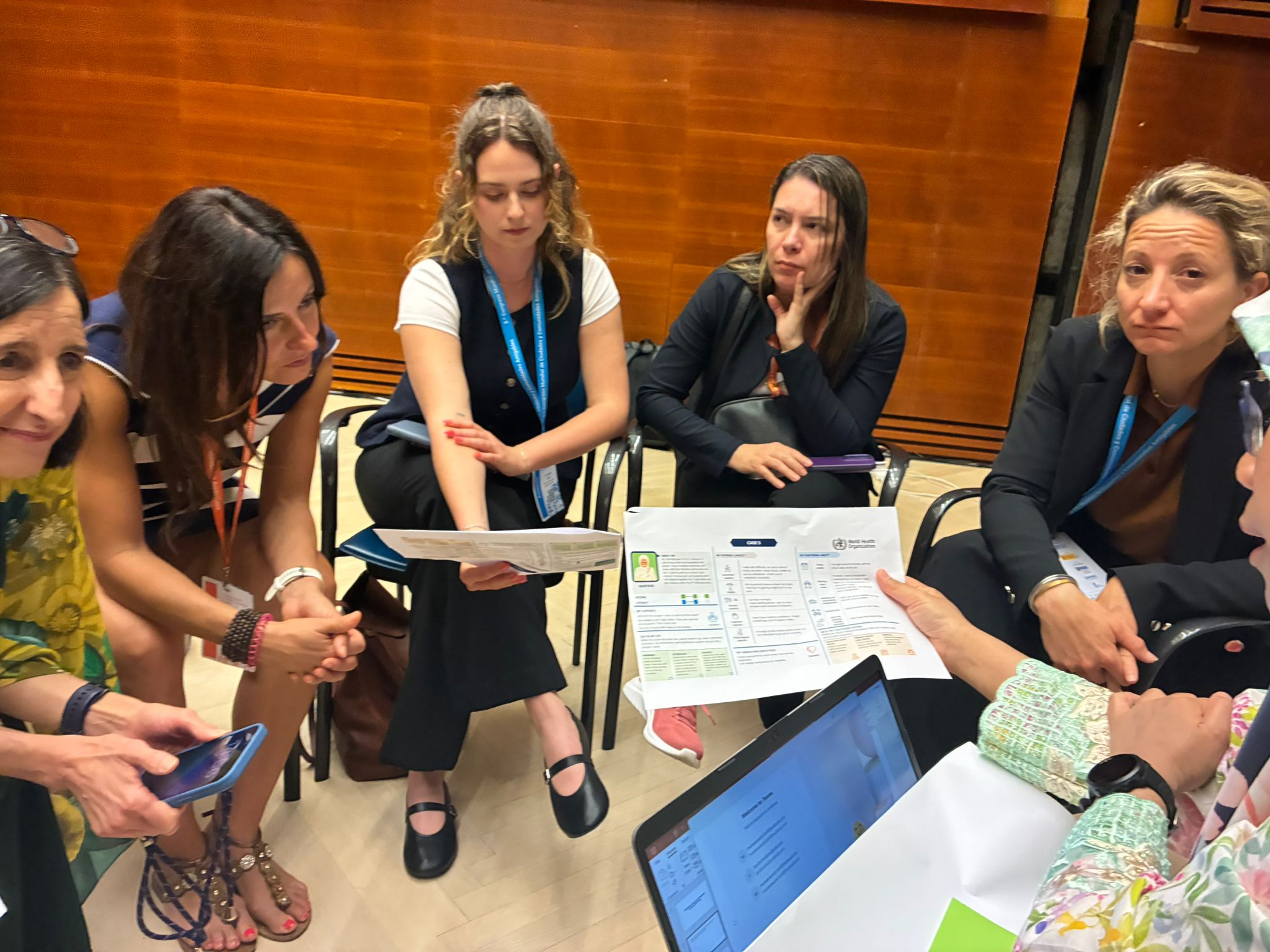
Participants taking part in small-group work during the ICOPE workshop.
Disseminating ICOPE via Primary Care: My discussions with Yuka Sumi and other global stakeholders highlighted that integrating these two separate ecosystems prevents parallel initiatives. By connecting clinical primary care to community actions, family doctors can effectively utilize municipal resources to support adherence to ICOPE treatment plans and preserve functional ability.
Case Studies and Practical Work: The session featured country case studies, including Spain's local experiences, and transitioned into small-group interactive case work analyzing an 80-year-old woman persona to map out intersectoral care integration points.
Visual Record: The session was documented during interactive group dynamics and alongside core collaborators.
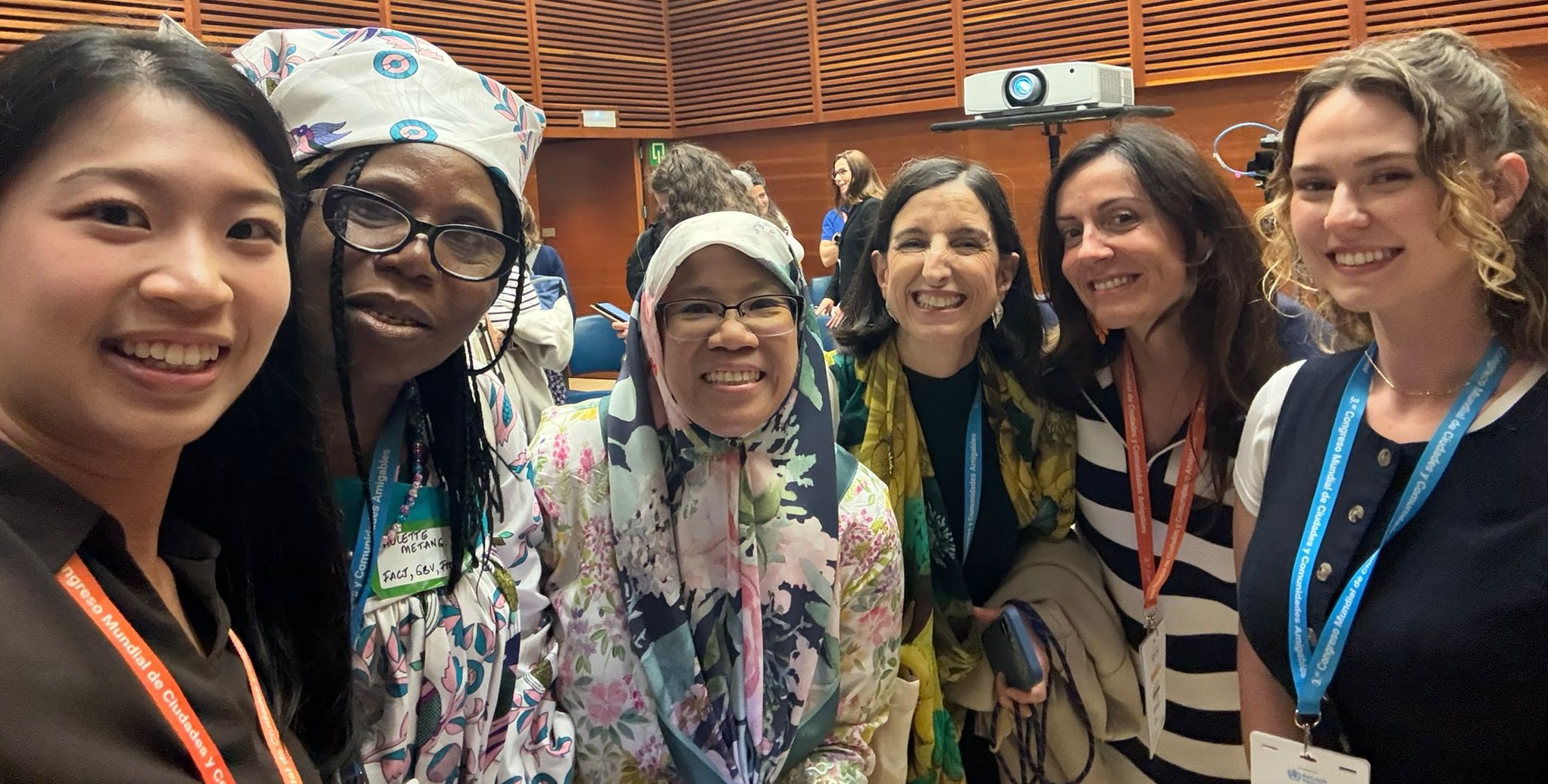
Interactive group discussion during the ICOPE workshop.
2. Workshop: Building Leadership for Age-Friendly Cities and Communities
Session Title: Building Leadership for Age-Friendly Cities and Communities: From Concepts to Action
Duration: 90 Minutes
Lead Organizer: Greater Manchester Combined Authority (GMCA) – Ageing Hub, led by Paul McGarry
Key Involvement and Focus: This session provided vital insights into translating theoretical frameworks into sustained local change. From a healthcare leadership perspective, my participation underscored how cross-sectoral collaboration must span across transport, housing, and, most importantly, health networks.
Speakers, contributors and participants in the leadership workshop.
Participants engaged in mapping local age-friendly ecosystems and identifying critical governance and professional leadership levers. For WONCA, understanding these place-based narratives allows us to position family doctors not just as medical providers, but as active leaders and stakeholders within municipal age-friendly ecosystems.
Visual Record: Capturing the speakers, contributors, and leadership panel.
3. Workshop: Démarche d'évaluation et de suivi du programme Villes Amies des Aînés (VADA)
Time and Venue: Monday, June 15, 11:00–12:30 | Kursaal
Focus: Evaluation methodologies and monitoring indicators for French-speaking member cities of the Global Network.
Key Involvement and Focus: As WONCA President-elect, following the Francophone evaluation methodology (VADA) is essential because clinical metrics used by family doctors, like those in ICOPE, must align with the social indicators measured by municipalities.
Bridging Clinical and Municipal Data: During this session, the focus was on how cities audit, monitor, and assess their age-friendly initiatives. From a primary care lens, I observed how these municipal evaluation frameworks can better integrate health-status tracking.
Synergy with ICOPE: Ensuring that a city’s “VADA” evaluation criteria include indicators on community health support allows family medicine networks to prove the clinical value of age-friendly urban planning. It also guarantees that local health data effectively informs municipal planning priorities.
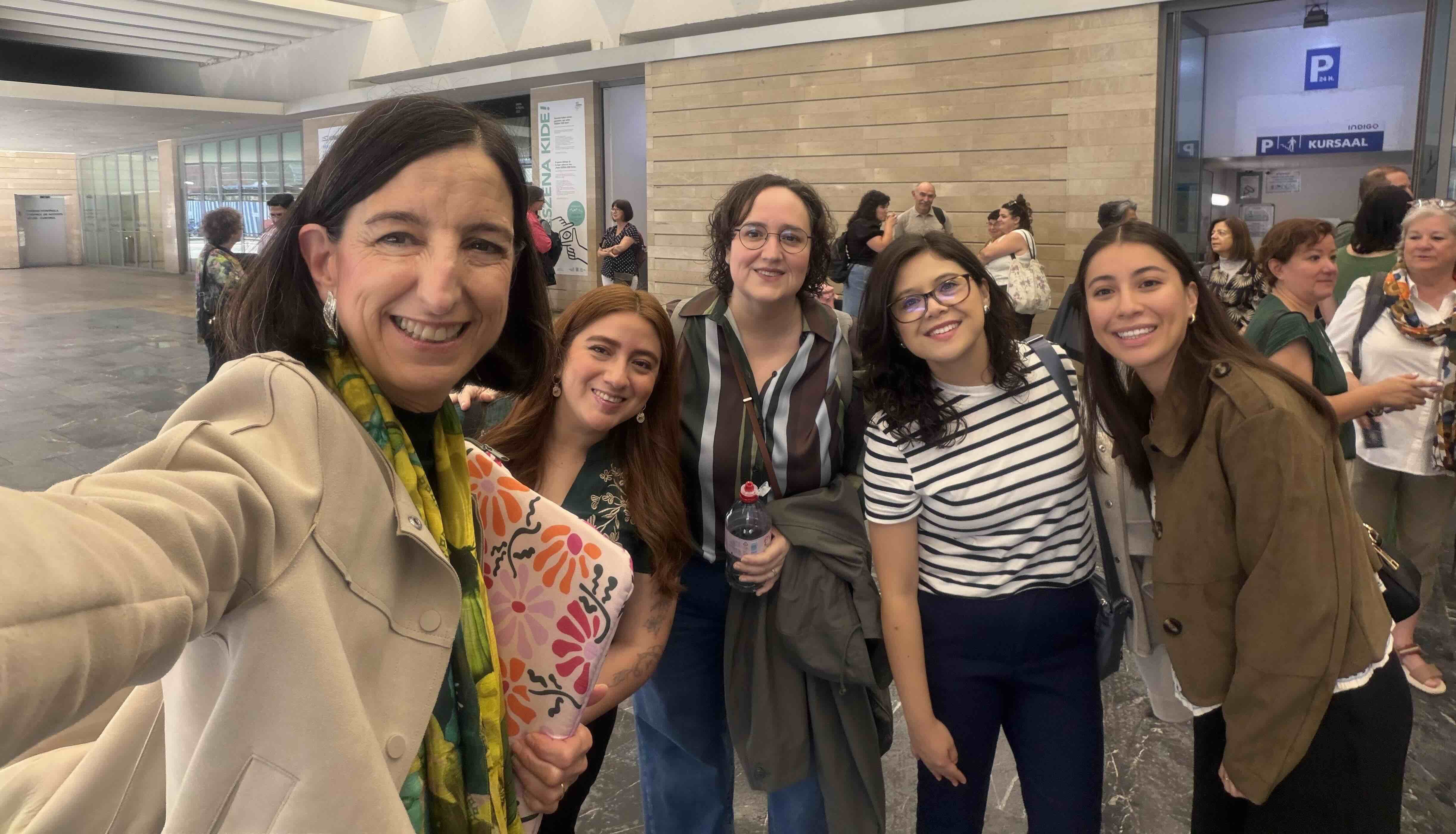
María Pilar Astier Peña with colleagues from Monterrey, Mexico, at the congress.
Strategic Takeaways for WONCA
- Unifying Systems: ICOPE provides the clinical roadmap, while AFCC acts as the enabling platform. Moving forward, WONCA will continue to advocate for joint implementation strategies where primary care clinicians work closely with local municipal actors to support early detection and continuity of care.
- Global Dissemination: Strengthening the partnership with WHO representatives like Yuka Sumi allows WONCA to offer family doctors practical digital tools, governance templates, and capacity-building resources to implement intrinsic capacity assessments globally particularly among elderly people through ICOPE.
- Clinical Leadership: Family medicine plays a formal role within local age-friendly policy-making bodies to ensure healthcare systems and environmental adaptations reinforce one another efficiently.