Developing Research Capacity in AfriWon

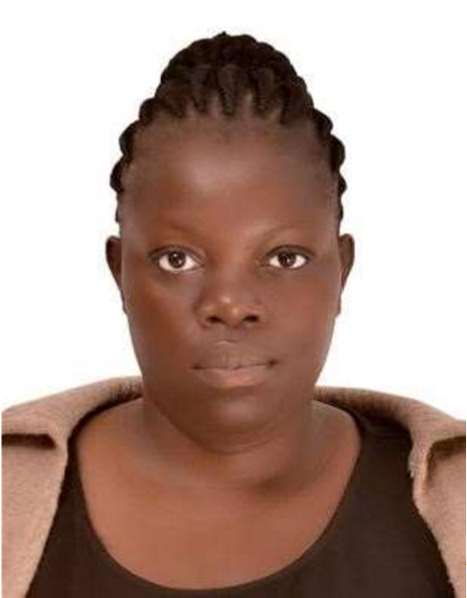
By Dr Peace Nantale, Research Theme Lead, AfriWon Renaissance
The AfriWon research and clinical audit sub-group has been mandated to strengthen the culture of research, quality improvement, and evidence-based primary care among young and future family physicians across Africa. This article shares the purpose of this sub-group in AfriWon and the activities it has accomplished in the last few months.
The core functions of this sub-group are to build capacity, support clinical audits, promote scholarly collaboration, improve primary care, and inform policy. It is Africa's network of young family physicians charged with generating strong evidence-based studies that improve primary care.
The objectives of this sub-group include:
- To build capacity for research methods, analysis, publication, and grant writing
- Facilitate clinical audits in institutions and health facilities
- Support young family physicians in the research process
- Develop a continental research repository and mentorship programme
The sub-group is championing advocacy of family medicine in Africa by building resilient health systems that improve the health of populations. Family physicians continuously rally governments to invest in primary care, and they therefore need young doctors and students to join the movement in shaping the future of family medicine. This sub-group has several activities that bring members together to improve their skills in the field of research.
1. Overview of research methods
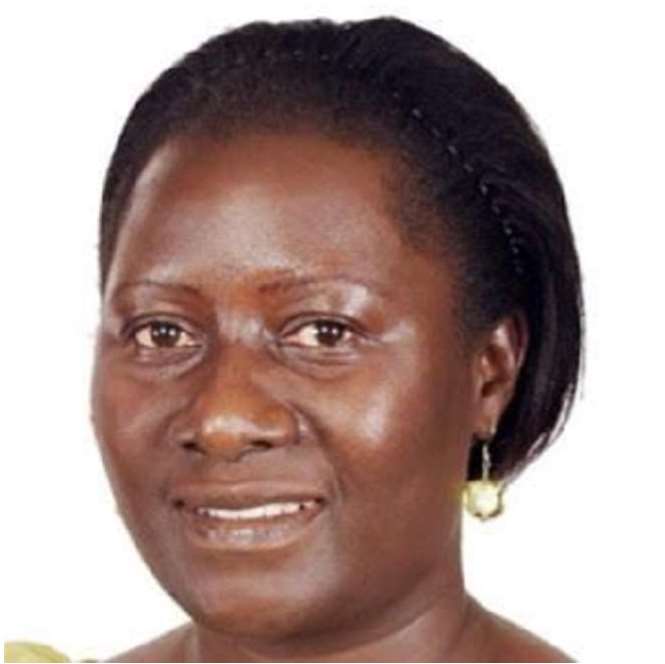
In November 2025, the group had an online session on the overview of research methods. The session was facilitated by the Immediate Past President of WONCA Africa Region, Dr Jane Frances Namatovu, a Senior Lecturer at the Department of Family Medicine, Makerere University, Kampala, Uganda.
She has mentored and inspired some of the AfriWon members who were on the call, and many more were supported, especially those in family medicine training programmes. The session was coordinated by both the incoming and outgoing research theme leads, Dr Peace Nantale and Dr Sonny Kumbet, respectively.
Representatives from several countries were in attendance, including Ghana, Nigeria, Uganda, Botswana, and Kenya, with a total of 45 participants. Key highlights among the queries were the use of artificial intelligence in research and issues around authorship.
As we advance, this sub-group is streamlining its leadership team, assigning roles, and making a list of topics to be shared with members early on, to allow ample preparation. Members are also urged to share the poster materials that they plan to present at conferences with the publicity subgroup, for technical input that improves AfriWon’s visibility. Recorded sessions are shared with all AfriWon members on their social media platform.
There are challenges that this sub-group is working on in conjunction with WONCA Africa, which include:
- Identification of funding opportunities for research activities.
- Exchange programmes that enhance appreciation of different cultural contexts that result in interactions at the level of the global community.
- Identification of practice-based research activities that improve clinical practice.
2. Collaborations
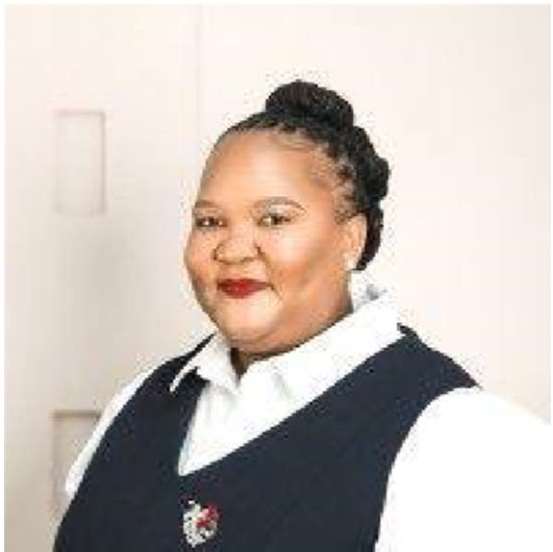
In the last quarter, AfriWon and the WONCA Working Party on Women and Family Medicine have had joint meetings with different speakers from different countries. These include Dr Jane Frances Namatovu from Uganda, Dr Chabeseale Kesogeftese from Botswana and Dr Ozoemena Ibeziako from South Africa.
Dr Chabeseale Kesogeftese emphasised “The path to moulding greatness: aligning career paths, taking up responsibilities, improving teamwork and curating careers.” Young family physicians were encouraged to join AfriWon activities in order to have clear growth, avoid career alienation, network, and sharpen each other.
She reminded them that through these group interactions, your sight ceases to be your country or continent, and together, primary care will improve. She also highlighted the strength in the diversity of culture intertwined with family medicine. This diversity creates paths where there were none, encourages accountability for each other's growth, and rising to the occasion when called upon.
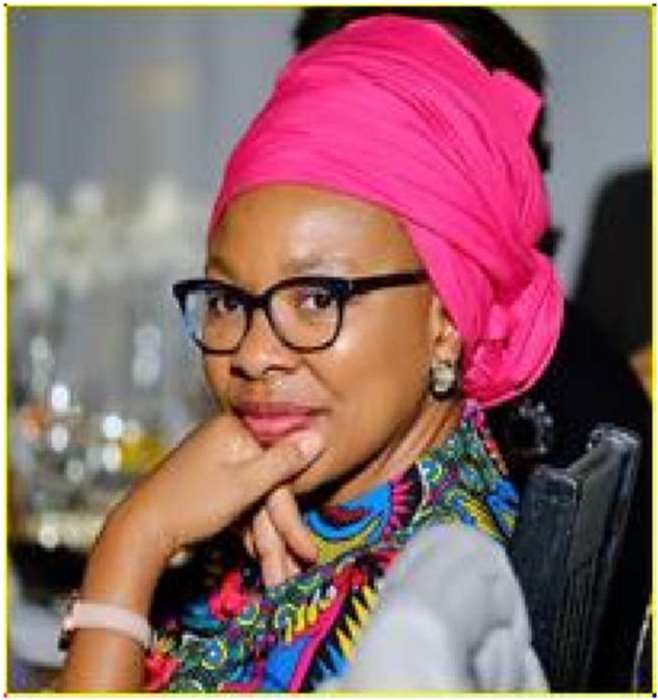
Dr Ozoemena Ibeziako delivered a lecture on ovulation as part of the International Women’s Day celebrations for this year, March 2026. This was a true symbol of give to gain because she was able to empower young women to understand health in general and reproductive health in particular as a result of the action of the multiple endocrine system.
The lecture highlighted the importance of fertility awareness, and encouraged holistic and comprehensive care and management. Also key to note was the call to advocate for young girls to be trained in charting their cycles and empowering young family physicians as teachers to patients and other healthcare workers.
The above speakers to the groups, AfriWon and the WONCA Working Party on Women and Family Medicine, were timely and left an indelible mark on the collaboration.
3. Research groups
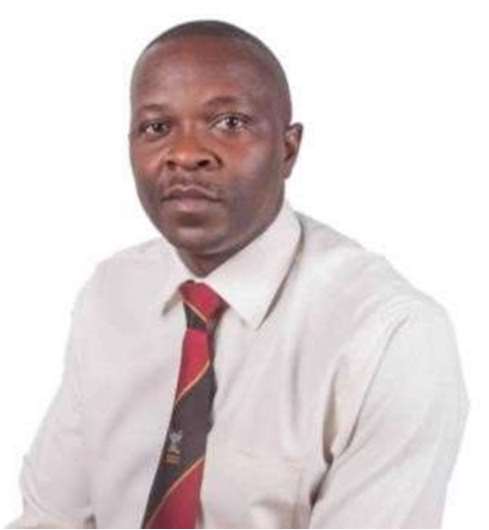 The research groups were started with a great session delivered by Dr Besigye Innocent. He encouraged us to value teamwork, embrace complementary skills, and nurture leadership within volatile environments.
He also emphasised that we ensure there is a functional framework for conflict resolution, be aware of emotional intelligence, and form research labs that carry on the different research projects. The session was attended by participants from various countries, including Uganda, South Africa, the Democratic Republic of Congo, Kenya, Zambia, Nigeria, Malawi, Ghana, Liberia, and Zimbabwe.
We believe this was a great start to this important journey of maintaining effective research groups.
Research labs were a new addition to the research theme, which is to ensure continuity of research, improve skills, and ensure cohesive and improved quality of research. The research groups have since been formed, and they range from digital health, geriatrics, hypertension, HIV, and health systems. The groups are all at different stages of their research, and a lot of cross-learning is happening.
AfriWon continues to grapple with the following issues:
- Provision of subsidised e-libraries by WONCA Africa for the young family physician to access and improve the quality of research.
- Formation of partnerships with publishing houses to ensure waiver of article processing charges for publications.
- More mentorship and collaboration opportunities.

Feature story of young family physicians
Family medicine at the frontline of infectious disease and antimicrobial resistance
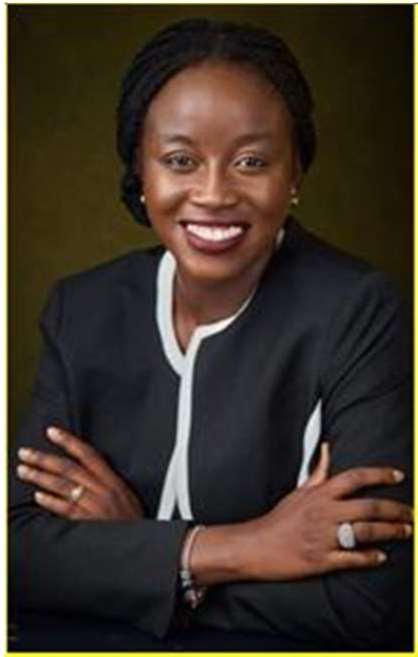 By Dr Nana Akua Abruquah
Family medicine is often described as the backbone of health systems. In my work as a family physician in Ghana, I experience this reality daily, particularly in the management of infectious diseases and antimicrobial resistance, where primary care sits at the frontline of detection, decision-making, and long-term care.
My clinical and academic work is grounded in the management of HIV, hepatitis B, hepatitis C, and sexually transmitted infections within primary and secondary care. These conditions frequently present first in family medicine settings, often complicated by late presentation, stigma, diagnostic uncertainty, and health system constraints.
Managing them requires not only clinical competence, but continuity of care, trust, and an understanding of the patient’s social and community context, core principles of family medicine.
A major focus of my work has been the integration of infectious disease care into primary healthcare, particularly in resource-limited settings. I am interested in how family physicians navigate screening, diagnosis, referral, and long-term follow-up for chronic viral infections, and how system-level barriers influence patient outcomes.
My research and practice consistently centre the question: how can primary care be strengthened to deliver high-quality, equitable infectious disease care?
Alongside this, I work extensively in antimicrobial stewardship and antimicrobial resistance research, an area where family physicians play a critical but often under-recognised role. In everyday practice, prescribing decisions are made in contexts of uncertainty with limited diagnostics, time pressure, patient expectations, and fear of missing serious illness.
My work explores how these realities shape antimicrobial use in primary care and hospital outpatient settings, and how stewardship interventions can be designed to be practical, supportive, and context appropriate.
I have contributed to research on antimicrobial stewardship and antimicrobial resistance in low- and middle-income countries, with a strong emphasis on the realities of frontline clinicians. Rather than focusing solely on guidelines, my work examines the lived experiences of family physicians and other primary care providers, recognising that sustainable stewardship must align with clinical workflow, health system capacity, and patient trust.
Beyond routine clinical care and research, I am actively involved in infection prevention and control, outbreak preparedness, and rapid response activities within my institution. These experiences reinforce the critical role of family medicine in early case detection, surveillance, and coordinated public health response. These are functions that are increasingly important in the context of emerging and re-emerging infections.
For me, family medicine provides a unique platform for infectious disease control and antimicrobial resistance mitigation. Family physicians are often the first point of contact, the coordinators of care, and the continuity providers who accompany patients over time.
My work seeks to strengthen this role by generating evidence, informing practice, and contributing to conversations within the global family medicine community.
Through clinical practice, research, and collaboration, I remain committed to advancing family medicine-led approaches to infectious disease management and antimicrobial stewardship, particularly in settings where the burden is highest and resources are most constrained.
Dr Nana Akua Abruquah, Ghana
Reminder: 9th WONCA Africa Region Conference, 2026
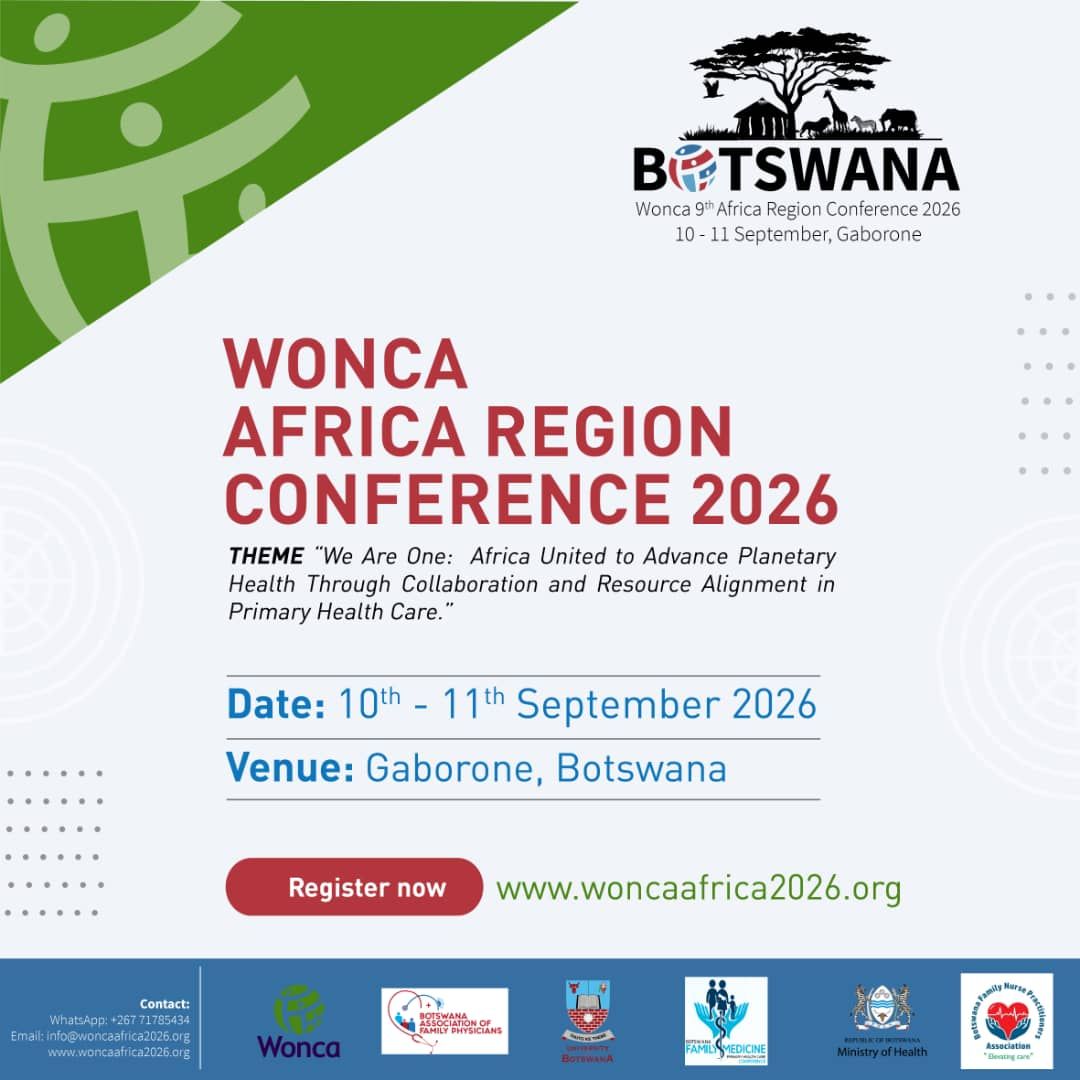
The 9th WONCA Africa Region Conference will take place in 2026. AfriWon members, young family physicians, family medicine trainees, and colleagues across the region are encouraged to follow updates and take part in the activities connected to the conference.