Legacy of 21st WONCA World Rural Health Conference
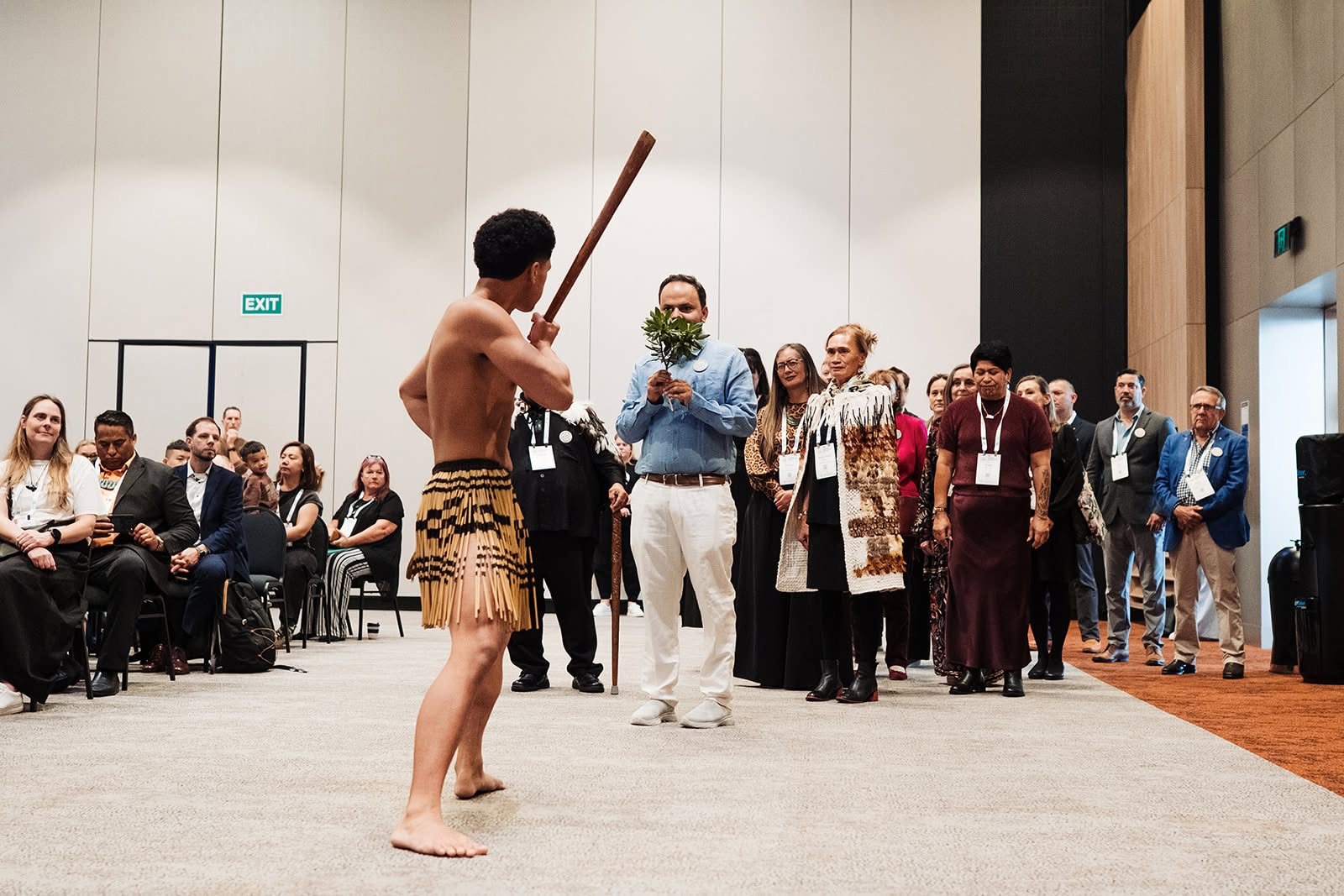
The 21st WONCA World Rural Health Conference brought together 987 delegates from 39 countries in Wellington, Aotearoa New Zealand, from 10 to 13 April 2026, around a shared conviction: that rural and indigenous communities are not waiting to be fixed, but are already leading, innovating and sustaining solutions of their own.
The conference is convened under the WONCA Working Party on Rural Practice, also known as Rural WONCA. This is the global body within WONCA, the World Organization of Family Doctors, dedicated to improving health for rural and remote communities worldwide, guided by the vision "Health for All Rural People." The Working Party is chaired by Dr Pratyush Kumar.
Watch highlights from the conference:
If the video does not display, watch it at youtu.be/5glcd4s9qjg.
A global community of rural health
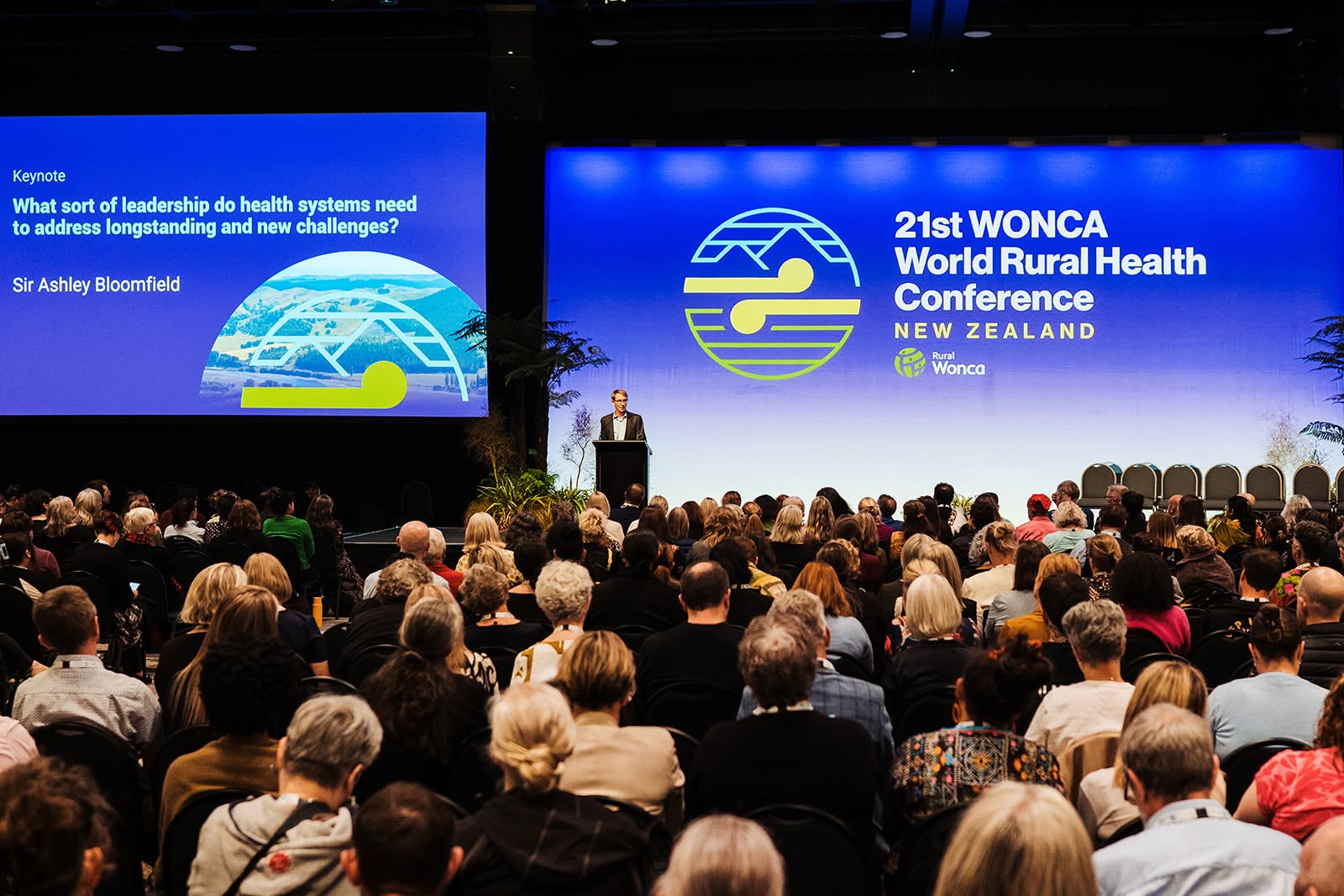
Rural WONCA 2026 was hosted by the Hauora Taiwhenua Rural Health Network at the Tākina Wellington Convention and Exhibition Centre, in partnership with the Working Party on Rural Practice. Delegates travelled from 39 countries, from small island nations to large continental health systems, reflecting the global reach of family medicine and rural practice.
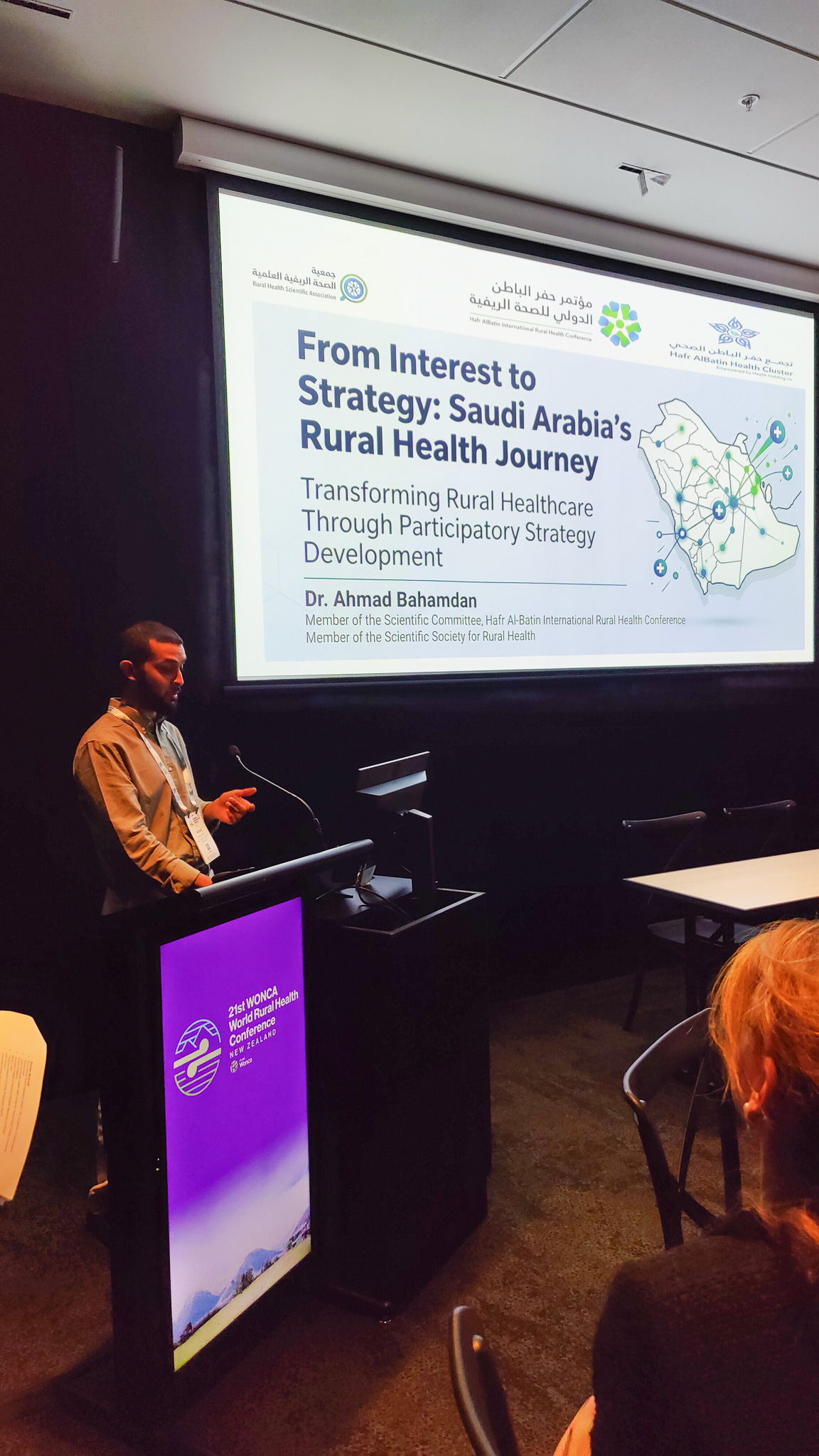
Rural health is delivered by teams, and the conference reflected that. Family doctors were joined by nurses and nurse practitioners, midwives, paramedics, physiotherapists, pharmacists, community health workers, researchers, educators, students and indigenous practitioners. The strong presence of allied, technical and scientific health professionals prompted the Chair of the Working Party to invite this wider workforce into the Working Party on Rural Practice itself, a practical step toward the integrated, multidisciplinary teams that rural communities depend on.
Delegates were welcomed by the President of WONCA, Dr Viviana Martinez-Bianchi. The programme featured nine keynote addresses and more than 180 oral presentations, alongside workshops, panels, lightning talks and cultural performances, selected from more than 400 abstracts submitted worldwide. The John MacLeod Oration was delivered by Dr Jo Scott-Jones; you can read more about the oration.
The conference also added to the evidence base for rural health. Thirty-six of its abstracts were peer-reviewed and published in the Rural and Remote Health journal, alongside three research papers, the oration and the Declaration.
Awards recognised standout contributions from across the programme. Pipi Barton received best abstract, Amaru Donaldson best oral presentation and Dr Jennifer Kask best poster, with student awards going to Roselle Winter and Elaine Huang. Dr Ram Babu Joshi won best lightning talk and Hone Taimona best video.
Read the Rural WONCA 2026 Abstract Book
The Aotearoa New Zealand Declaration on Rural Health 2026
The defining legacy of the conference is the Aotearoa New Zealand Declaration on Rural Health 2026. It joins the lineage of global Rural WONCA statements, the Bengaluru, Ubuntu and Limerick Declarations and the Cairns Consensus on Rural Generalism, and continues WONCA's long contribution to rural and primary care.
The Declaration is grounded in mātauranga Māori (Māori knowledge) and in the principles of Te Tiriti o Waitangi, Aotearoa New Zealand's founding agreement. Its central principle is rural proofing: the deliberate inclusion of rural perspectives, evidence and impact assessment at every level of health policy, funding and service design. It supports the work of the World Health Organization, with Rural WONCA and other partners, to develop a technical rural proofing tool for use around the world.
Importantly, the Declaration moves the conversation from advocacy to implementation. It calls on governments to trust, resource and scale the solutions that rural and indigenous communities have already built. Its legacy, in the Declaration's own words, "will be measured not by its words, but by the changes it enables: changes in who is trusted, how decisions are made, and where the authority to act sits." The strategic direction of its calls to action was endorsed in principle by the New Zealand Government, and it is already informing conversations with government agencies.
Read the Aotearoa New Zealand Declaration on Rural Health 2026
Indigenous knowledge at the centre
The conference was shaped throughout by Māori leadership. Te Rōpū Ārahi, its Te Tiriti (Treaty) partner and Māori leadership group, sat on every committee and guided the design and delivery of the event.
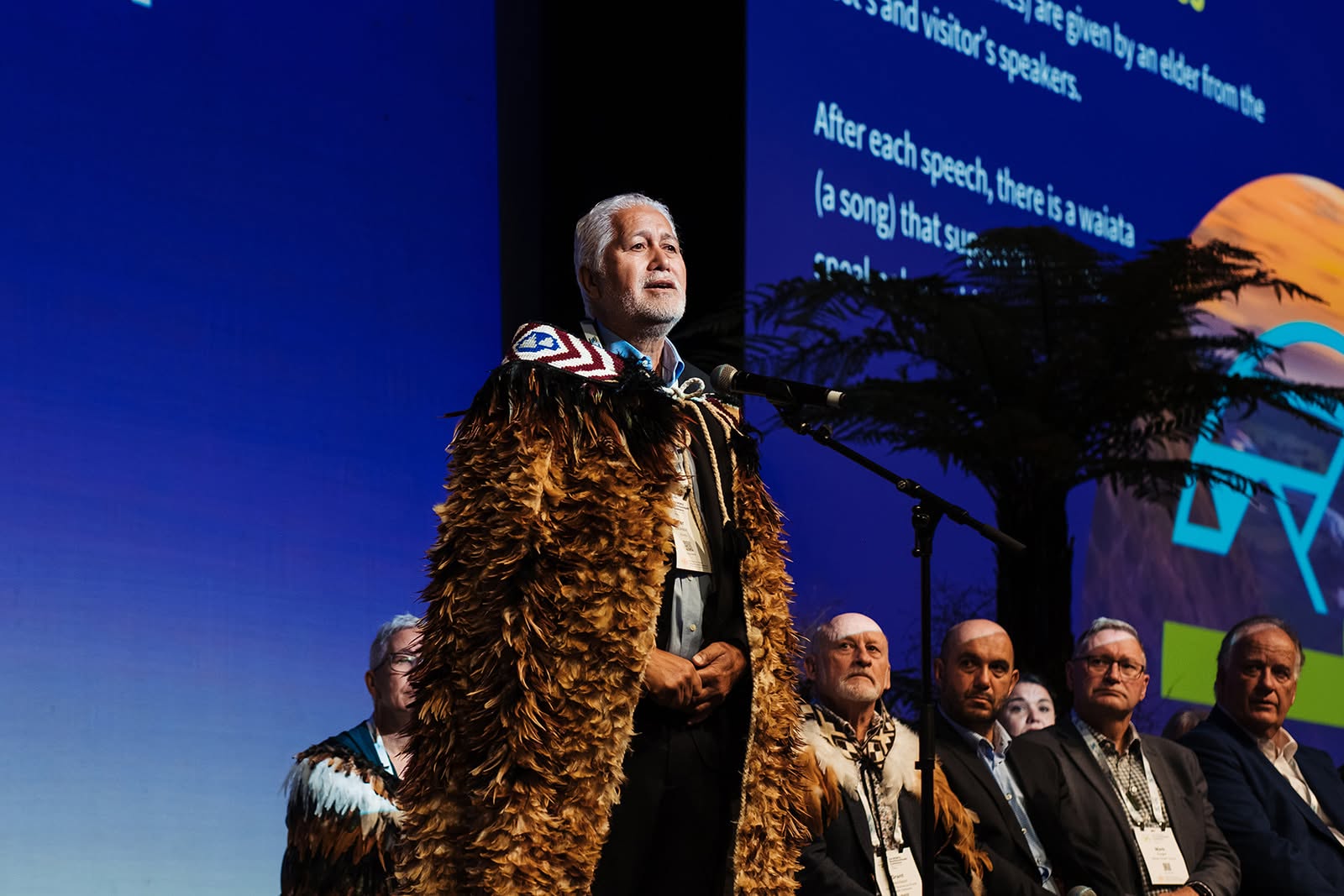
The conference theme, Whānau Ora: Integrating Mātauranga Māori, indigenous knowledge with rural health for a thriving future, took its name from the whakataukī (proverb) Nāku te rourou, nāu te rourou, ka ora ai te iwi, "with your basket and my basket, the people will thrive." A keynote from Dr Diana Kopua and Mark Kopua explored indigenous learning systems and ways of knowing, described by one delegate as "learning as movement." Ahi Kā, a dedicated Te Ao Māori (Māori world) hub, offered a space for connection, creative expression and shared learning, and each conference day opened with performances by local rangatahi (young people) and community groups, closing with the Pātea Māori Club and Te Kura Kaupapa Māori o Ngā Mokopuna.
Across the conference, indigenous leaders made clear that when health systems fail indigenous communities, "the failure is not one of culture or capability, but of structures that lack political courage and exclude indigenous authority from decision making." The 76th World Health Assembly has reaffirmed the right of indigenous peoples to the highest attainable standards of physical and mental health, and Rural WONCA continues to support countries in upholding that right.
He tangata, he tangata, he tangata. It is the people, it is the people, it is the people.
Global collaboration and the next generation
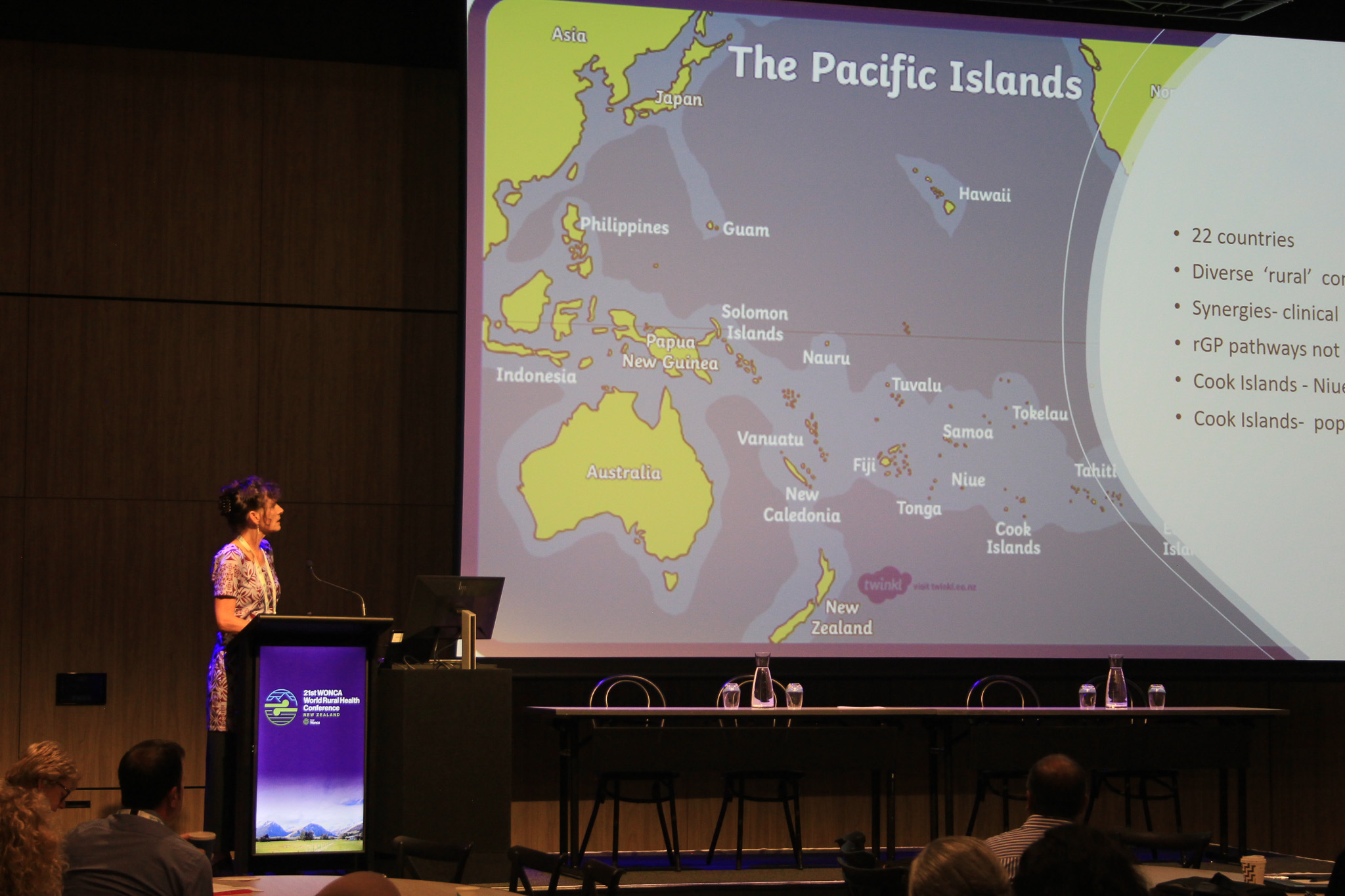
A major outcome of the conference was the launch of GRACE, the Global Rural Health Action, Collaboration and Excellence initiative. GRACE connects 28 institutions across more than 15 countries to drive collaboration in research, education, workforce development and policy. It is intended as a platform for cross-border mentorship, shared evidence and collective action, so that rural voices help shape global health agendas. The initiative was advanced further at the Rural WONCA Assembly. Organisations interested in joining GRACE can get in touch at rural@wonca.com.
Alongside GRACE, the Working Party set out plans for a Rural Health Institute of Learning to support the continuing development of the rural workforce, with a focus on medical students, trainees and early-career practitioners, and on the clinical judgment and human skills that good care depends on, including the safe and ethical use of new technologies.
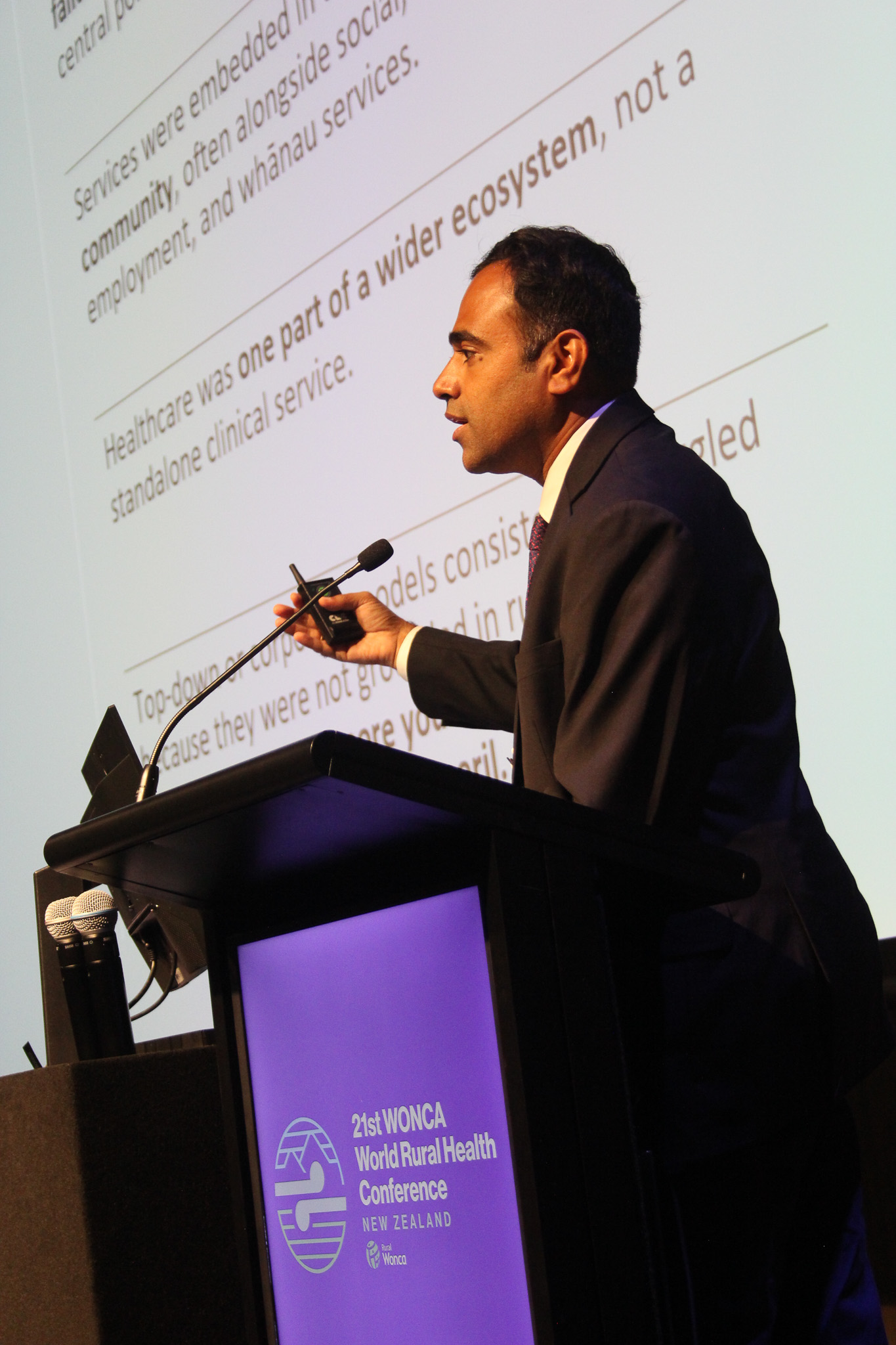
Support for young doctors was visible throughout. The FLIGHT Grant programme, enabled two early-career doctors, Dewanto Andoko (Indonesia) and Manuel Jacob (India), to undertake rural immersion placements in Aotearoa New Zealand, at the Kaikōura Health Centre and at Hokianga Health, a kaupapa Māori-led service in the Far North. Both presented their reflections to the full conference on its final day. LMIC countries were represented among delegates and across the programme, from India, Nepal, Bangladesh and Sri Lanka to Kenya, Nigeria, Cameroon and Sierra Leone.
Recognition and thanks
Rural WONCA 2026 was expertly hosted by the Hauora Taiwhenua Rural Health Network, whose team delivered a conference of real depth and care. We are grateful to Hauora Taiwhenua, to Te Rōpū Ārahi, and to the many volunteers, speakers, sponsors and partners who made it possible. Special thanks go to Rachel Cook and the Conference Innovators team, and to Jane Booth and the Hauora Taiwhenua communications team, whose work carried the event and its reporting from start to finish.
Tourism New Zealand and Business Events Wellington have published a case study recognising the conference's international reach and its contribution to rural health, a welcome acknowledgement from outside the sector. You can read the case study here.
The work continues. Collaboration will carry forward through GRACE and toward future gatherings, including the WONCA World Conference in Cape Town (2027), and the next WONCA World Rural Health Conference in Calgary, Canada (2028).
In delegates' words
Delegates rated the conference highly in a post conference survey, with an overall satisfaction of 96.7%. WONCA asked some of them on camera what they would take away, and their reflections returned again and again to community and connection. "Despite the diversity in faces and places where everyone is from, there's so much goodwill," one delegate observed. Veronica Rasik (Wales) noted that the gathering brought together "other health professionals, not just doctors," and community researchers alongside them. Roger Strasser (Australia) reflected on the long view with rural health demands: "You need to be thinking, planning and acting in decades, not years. This is about longevity."
If the video does not display, watch it at youtu.be/xViN0dwJH90.
Read, watch and explore