Report on EUROPREV Forum 2026
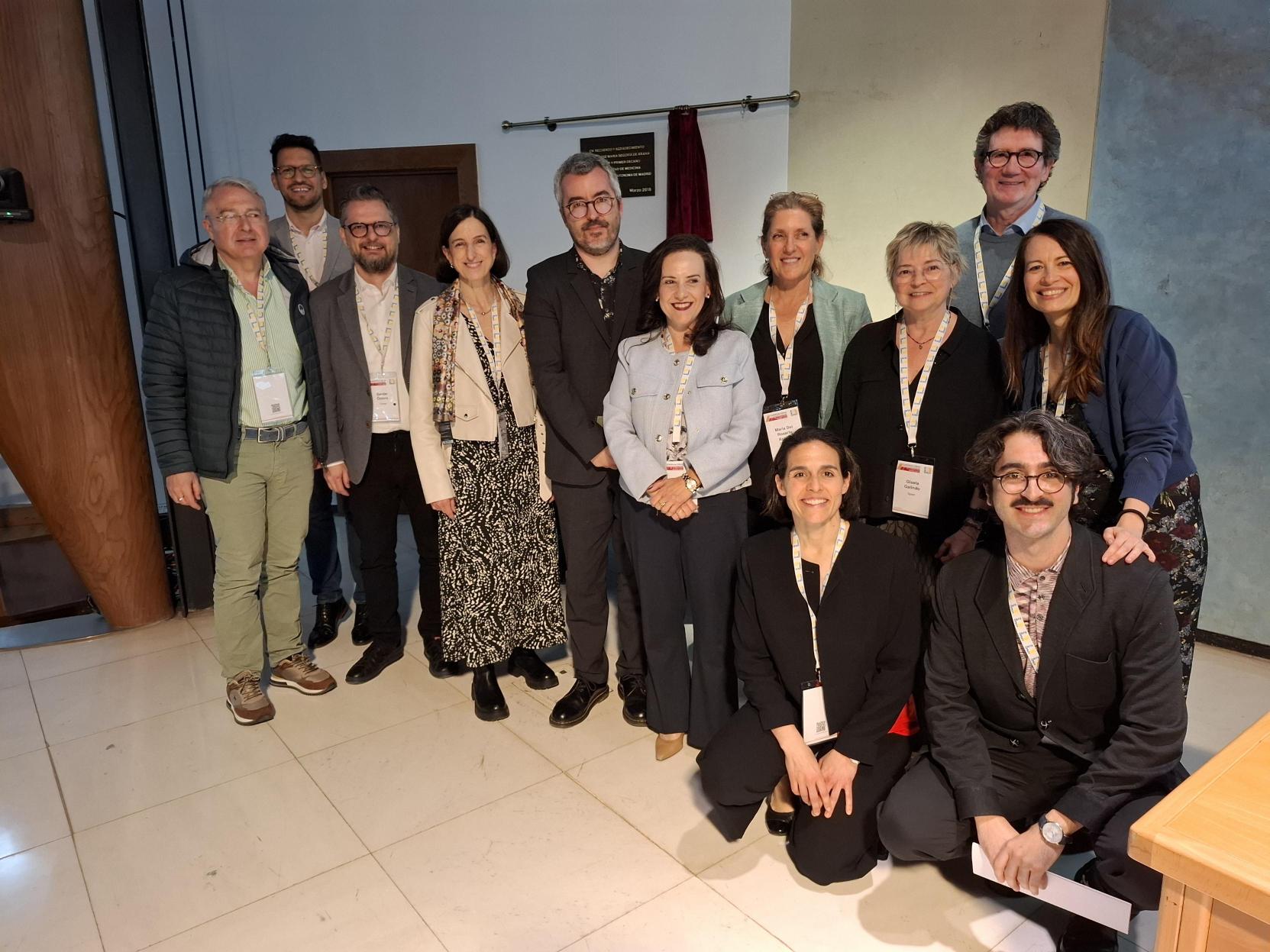
The EUROPREV Forum 2026, a WONCA Europe Network, held in Madrid, Spain on 26 March, served as an important gathering for family physicians, researchers and public health leaders from across the European region. Representing WONCA, President-Elect Dr María Pilar Astier Peña delivered a strong message about the future of the profession, one rooted in evidence, human connection and what she described as the "innovation of prudence" in family doctors' daily consultations.
In her opening intervention, Dr Astier Peña expressed gratitude to the forum’s committees for their wisdom and commitment to advancing family medicine. At the centre of her message was a call for a shift in professional identity, from the traditional label of "gatekeeper" to the more protective role of "safekeeper".
While the term "gatekeeper" was originally intended to describe the management of resources, it has often been perceived by patients as a barrier, a role defined by saying "no" or controlling access. In contrast, the safekeeper model embraces a person-centred prevention strategy through three core commitments:
- Safety from over-medicalisation: Protecting patients from unnecessary tests, the anxiety of over-diagnosis, and promoting deprescribing when medications add no value. This is the essence of quaternary prevention, or P4.
- Safety through relationship: Leveraging longitudinality, the long-term bond between doctor and patient, as the greatest predictor of lower mortality and better health outcomes.
- Safety in transition: Ensuring patients do not get lost in the gaps between specialties within complex health systems.
Dr Astier Peña emphasised that every person, regardless of location, has a human right to a family physician who acts as their safekeeper throughout their life journey.
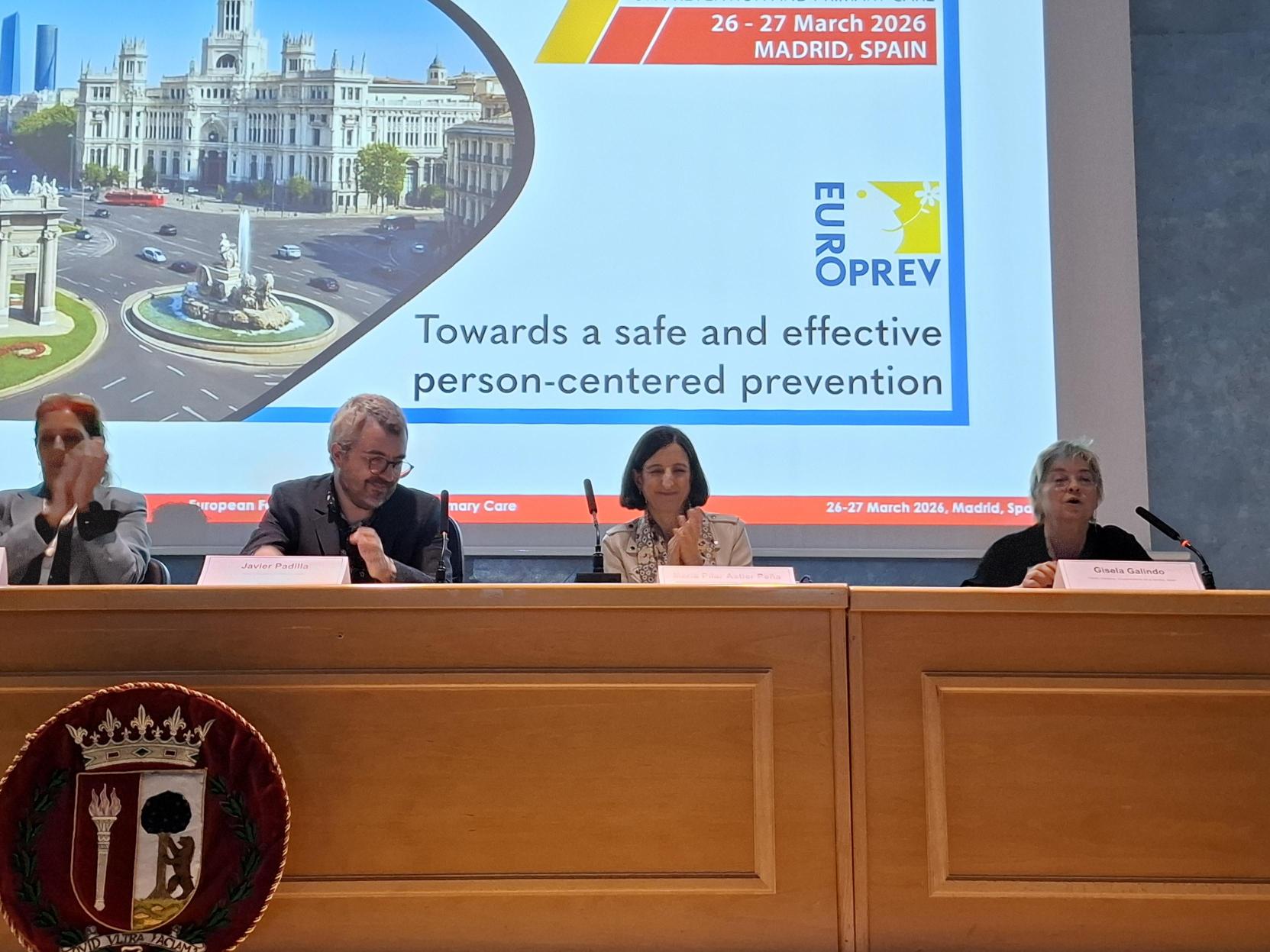
Dr Astier Peña also took part in the roundtable, "Reaching the balance between evidence-based practice and innovation in prevention". During the discussion, she challenged the modern focus on high-tech advancement, arguing that prudence is often the most meaningful innovation in primary care.
Modern medicine, she said, is facing a "crisis of success". We have become so effective at detecting anomalies that we have also created a "crisis of excess", where innovation can unintentionally fuel over-medicalisation. This culture of over-testing can turn healthy people into patients without improving population health.
The roundtable highlighted a striking evidence gap. A 2020 study by Howick et al. found that only 6 per cent of 1,567 Cochrane review outcomes were supported by high-quality evidence. Clinicians often experience a "therapeutic illusion", consistently overestimating the benefits of interventions while underestimating their potential harms. Defensive medicine, driven by political pressure for instant access, costs health systems billions and exposes patients to unnecessary procedures and radiation.
The impact of this excess is not just clinical, but systemic. According to the OECD in 2017, between 20 per cent and 30 per cent of health spending is wasteful and could be redirected to more effective uses without harming patient health.
Panelists also discussed the "snowball effect" of diagnostic cascades. Research indicates that 99 per cent of physicians have experienced these cascades, where one unnecessary test triggers a chain of follow-ups, causing both physical harm and psychological anxiety.
The path forward: Limit, lean and listen
To counter these trends, Dr Astier Peña proposed a typology of low-value care de-implementation based on three pillars from the paper by Verkerk EW, Tanke MAC, Kool RB, van Dulmen SA and Westert GP, Limit, lean or listen? A typology of low-value care that gives direction in de-implementation, published in the International Journal for Quality in Health Care in 2018.
- Listen: Shared decision-making. Evidence shows that when patients are actively involved in decision-making, they often choose more conservative, less invasive care.
- Limit: De-implementation. True innovation lies in deprescribing and using digital tools to remove harmful labels rather than adding new ones.
- Lean: Value-based healthcare. Shifting the system to reward clinical value rather than the volume of tests and procedures.
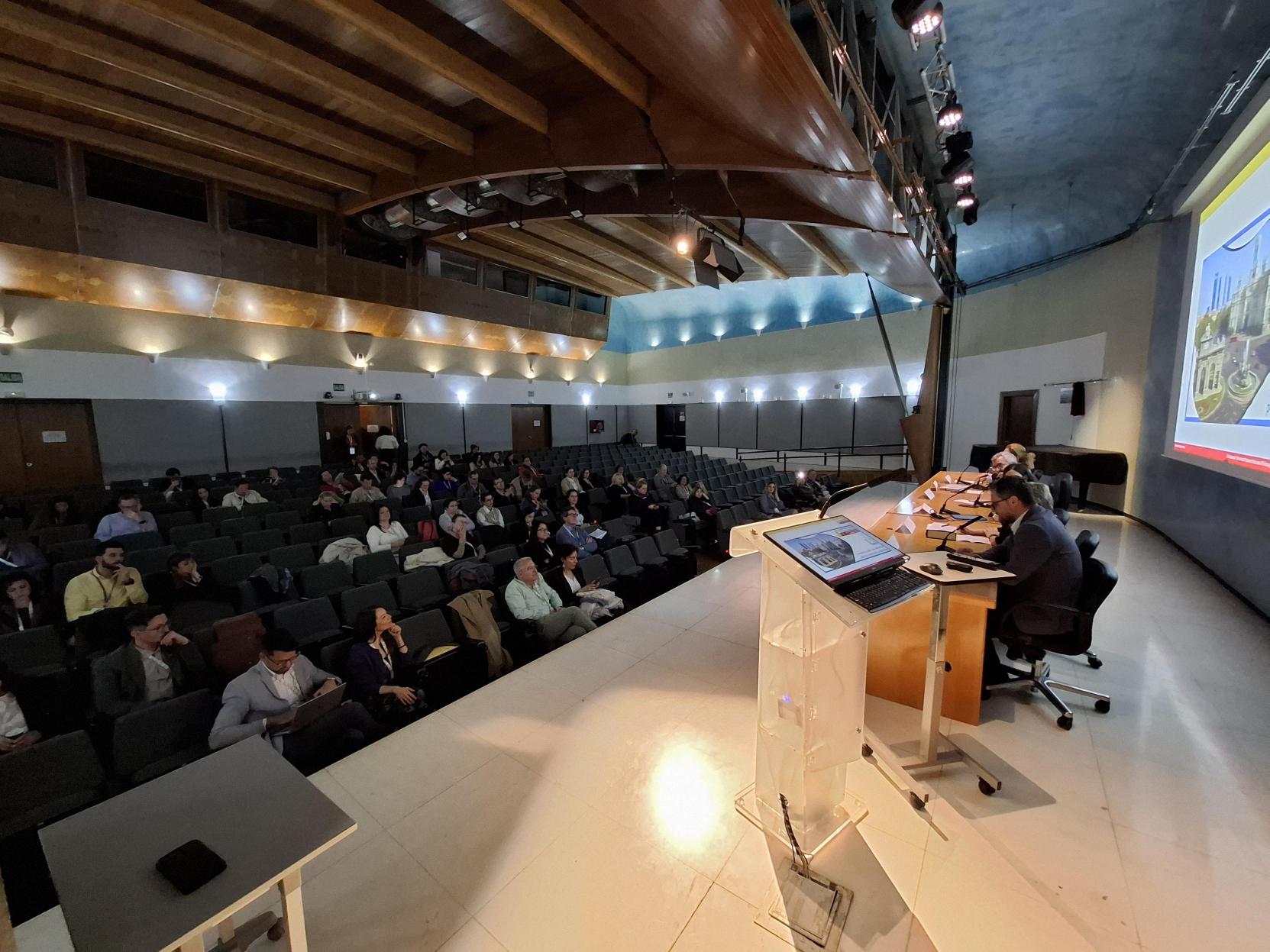
The forum also featured Iona Heath, former President of the Royal College of General Practitioners in the United Kingdom and former WONCA Executive Committee member, who spoke on prevention at the level of the individual. She also moderated a roundtable on integrating local teams in primary and community care for prevention, asking whether they are friend or foe. Speakers included Carmen Cabezas, former Department of Health of the Generalitat de Catalunya, Spain, Cornelia Junghans Minton of Imperial College London, Fátima Sáez Santolaya of Centro de Salud Luis Vives and SEMG, and patient representative Raquel Fernández Megina.
On the final day, the EUROPREV position paper, "Seven Ways to Optimise Prevention in General Practice and Family Medicine", was launched by Serdar Öztora of Trakya University School of Medicine, Turkey.
Another notable intervention came from Mateja Kokalj Kokot of the Department of Family Medicine at the University of Ljubljana, Medical Faculty, Slovenia, who spoke on moving from theory to practice in teaching prevention in postgraduate family medicine education in Slovenia. This was followed by a roundtable with Elena Polentinos of the National Commission for Family Medicine and the Primary Care Research Unit of Madrid, University Rey Juan Carlos, Dr Zoi Tsimtsiou of Aristotle University, Greece, and Dr Esteban González-López, Head of the Family Medicine and Primary Care Division at the Autonomous University of Madrid.
There was also an EYFDM-EUROPREV pre-forum workshop on overdiagnosis and the role of the family doctor.
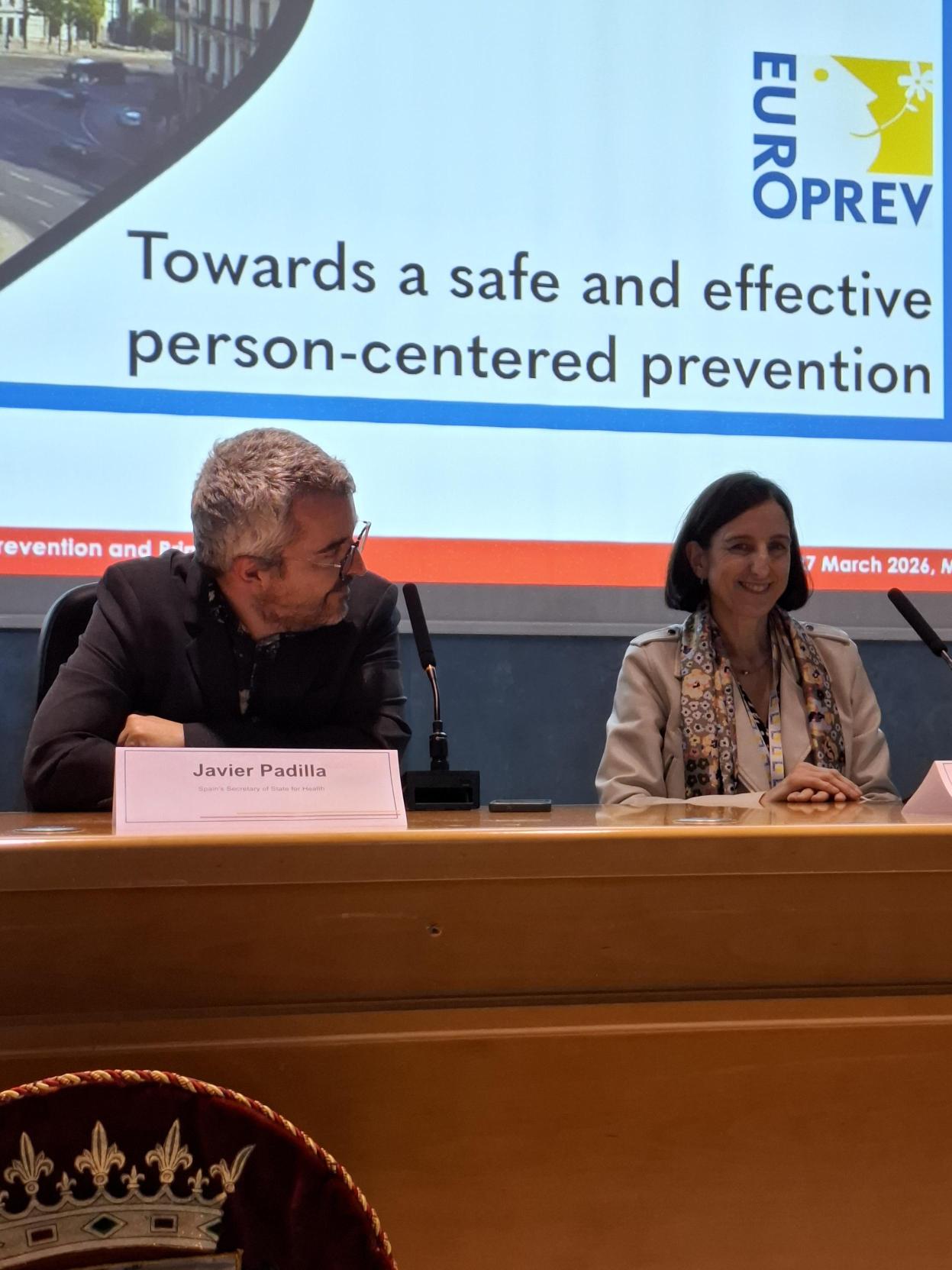
During the opening of the conference, Dr Astier Peña also had the opportunity to speak with Javier Padilla, Spain’s Secretary of State for Health, about an upcoming side event on Health and Peace that WONCA will co-host with the Spanish Ministry of Health and other partners on 21 May.
Thank you to all the scientific and organising committee for preparing such an engaging gathering at the Faculty of Medicine of the Autonomous University of Madrid.