Why the World Still Needs Family Doctors in the Digital Age
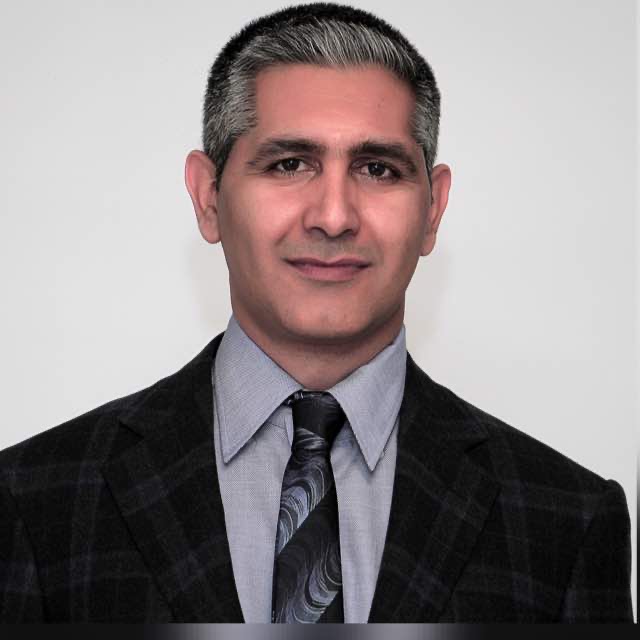
By Dr. Ebrahim NooriGoushki
Family Medicine Specialist, Tehran, Iran
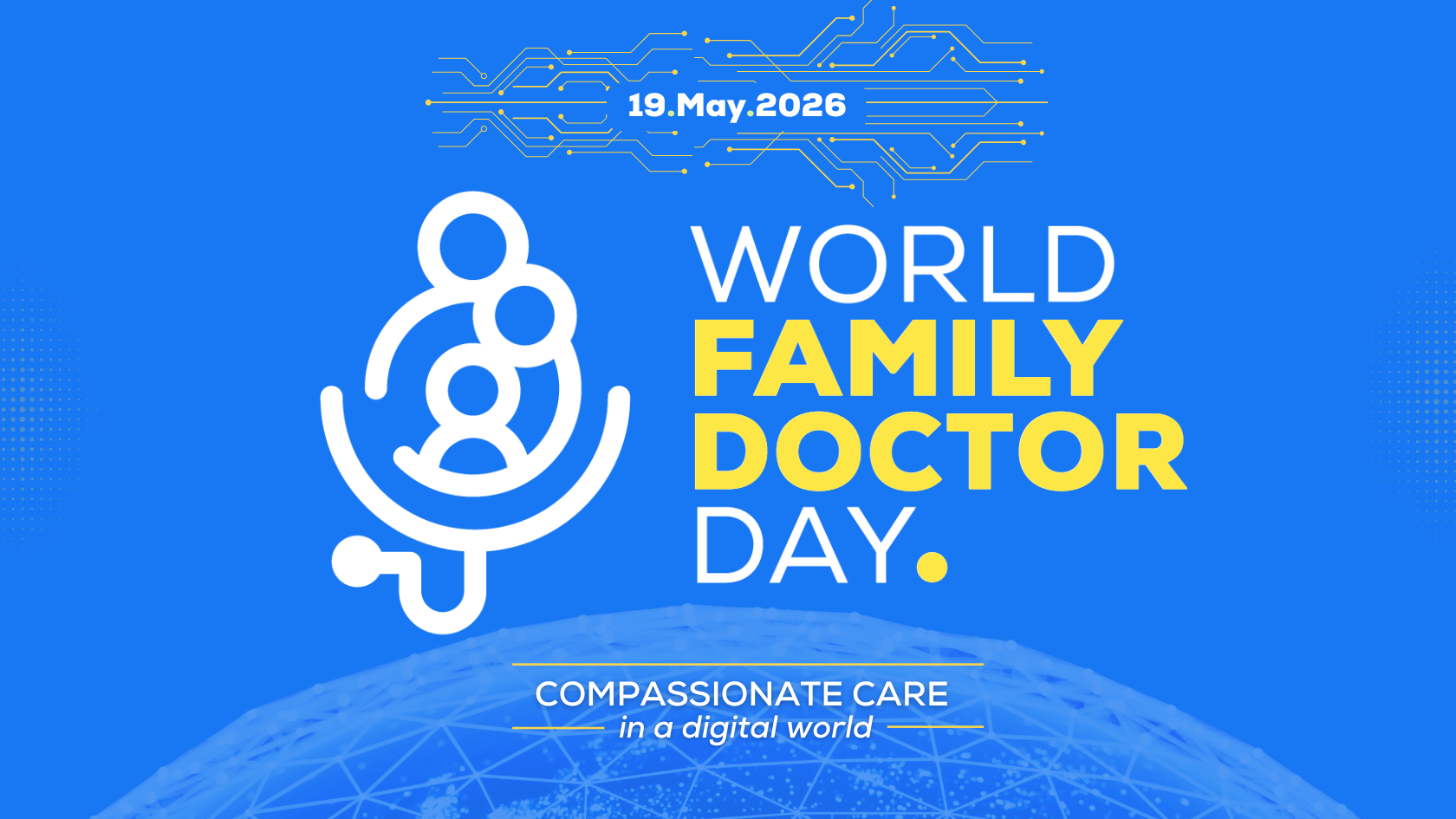
Compassionate Care in a Digital World: Why Family Doctors Matter More Than Ever.
Somewhere in the world tonight, a family doctor will answer a worried mother’s phone call, comfort an elderly patient living alone, or quietly detect the early signs of a serious illness before it becomes a tragedy.
In an era increasingly shaped by artificial intelligence, digital health technologies, and fragmented healthcare systems, the human connection between doctor and patient remains one of the most irreplaceable pillars of medicine.
On May 19, as the world marks World Family Doctor Day 2026 under the theme “Compassionate Care in a Digital World,” we are reminded that technological advancement alone cannot heal societies. Healthcare systems still depend on trust, continuity, empathy, and human presence — values that family physicians embody every day.
Across the globe, family doctors remain the first point of contact for millions of people. They care not only for diseases, but for people, families, and communities. They accompany patients through childhood, aging, chronic illness, emotional distress, and social hardship. In many places, especially during times of crisis, war, economic instability, and public health emergencies, family physicians are often the most accessible and trusted healthcare professionals.
Yet paradoxically, while the need for primary care is growing, many healthcare systems are witnessing a gradual erosion of family medicine. Burnout, workforce shortages, increasing administrative burdens, and the commercialization of healthcare threaten the sustainability of compassionate, community-based care.
Digital transformation undoubtedly offers extraordinary opportunities. Telemedicine, electronic health records, artificial intelligence, and remote monitoring can improve efficiency and access to care. But technology should never replace the human dimension of medicine. Its true value lies in strengthening the relationship between physicians and patients — not weakening it.
Compassionate care is not an outdated ideal, It is a clinical necessity. Patients do not merely seek prescriptions or algorithms; they seek understanding, reassurance, trust, and dignity. No digital platform, regardless of sophistication, can fully replace the healing power of empathy and continuity of care.
In countries like Iran, where valuable primary healthcare infrastructures already exist, there remains significant potential to further strengthen family medicine through thoughtful policymaking, investment in human resources, and integration of modern technologies with people-centered care.
The future of healthcare should not become a choice between innovation and humanity; It must be a balance of both.
World Family Doctor Day 2026 is therefore more than a symbolic occasion. It is a global reminder that healthcare systems cannot remain sustainable, equitable, or resilient without strong family medicine at their foundation.
As we move deeper into the digital age, the world must not lose sight of one timeless truth: medicine is, and always will be, a profoundly human profession.