Rural WONCA Assembly: Advancing the GRACE Initiative
Rural WONCA Assembly, Thursday 9 April 2026: Advancing the GRACE Initiative
Wellington, New Zealand | 21st WONCA World Rural Health Conference
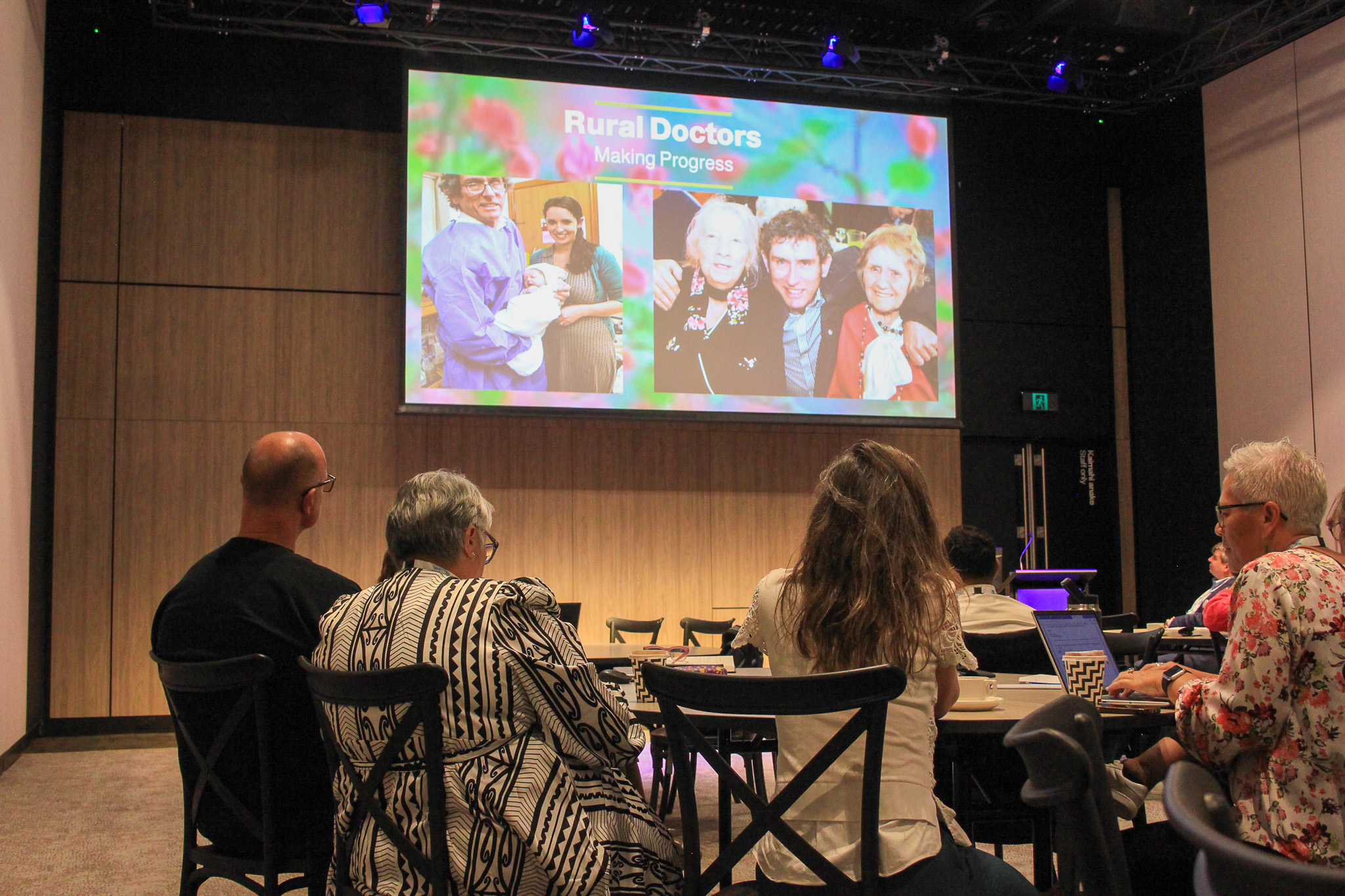
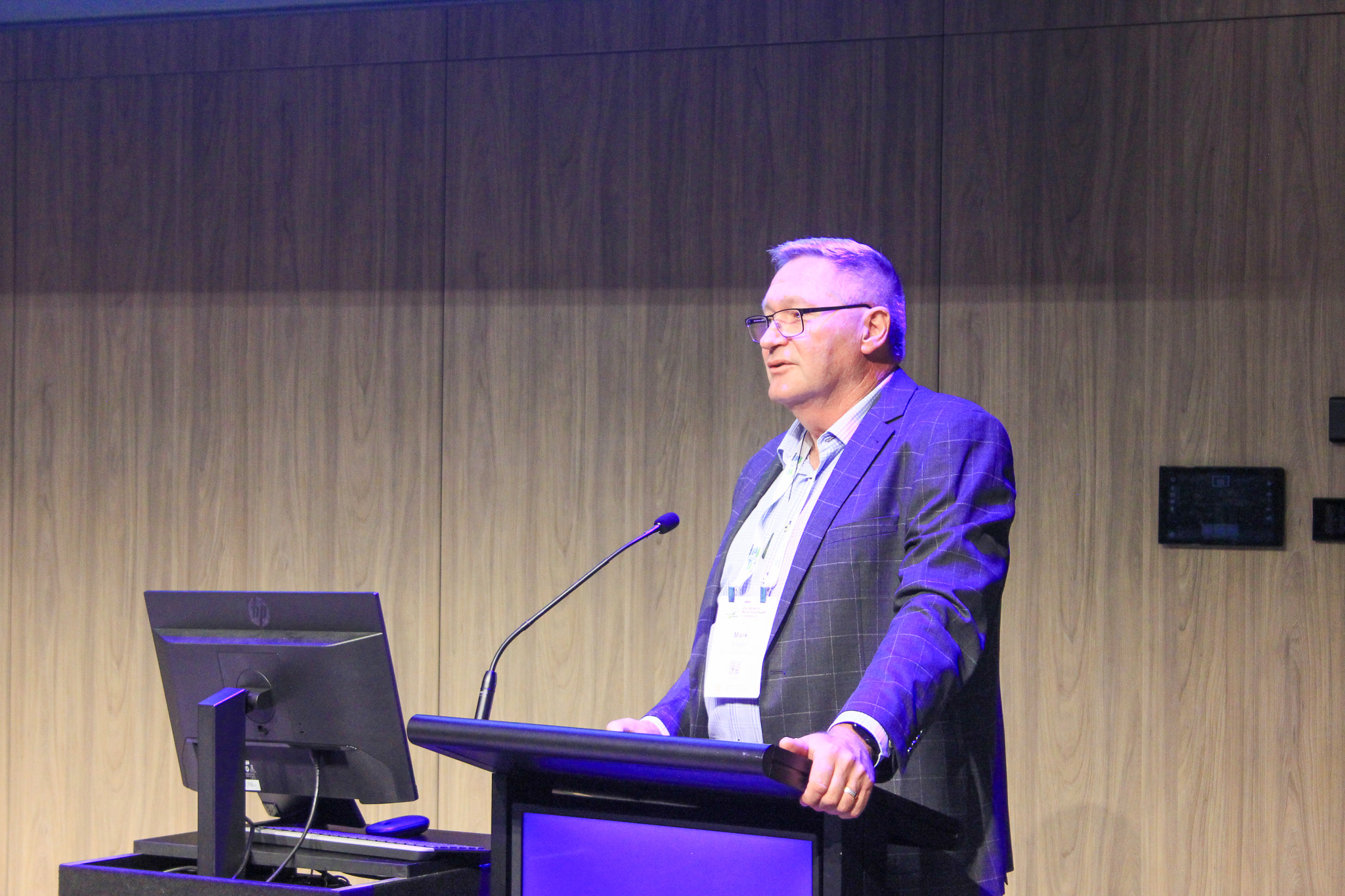
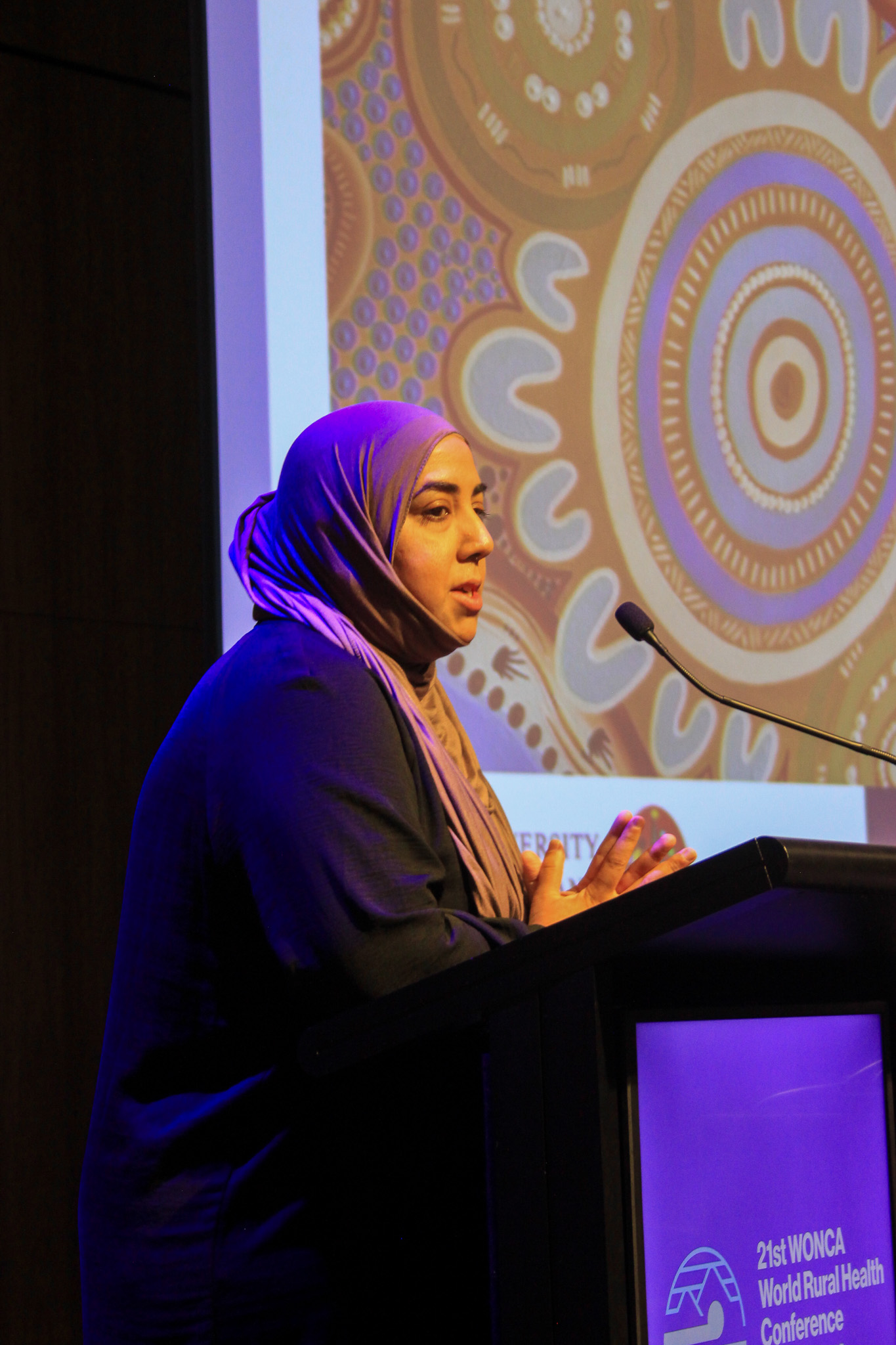
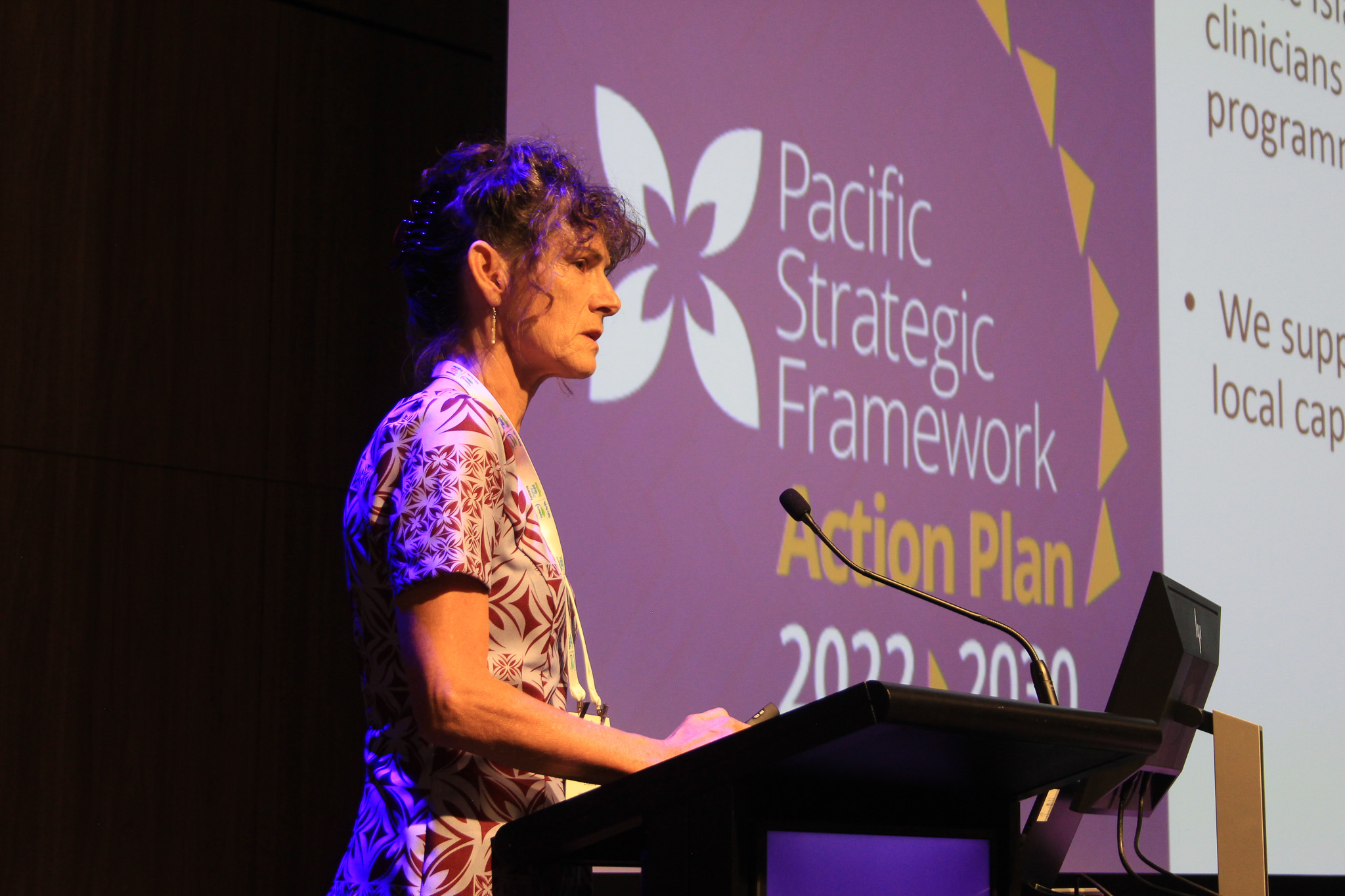
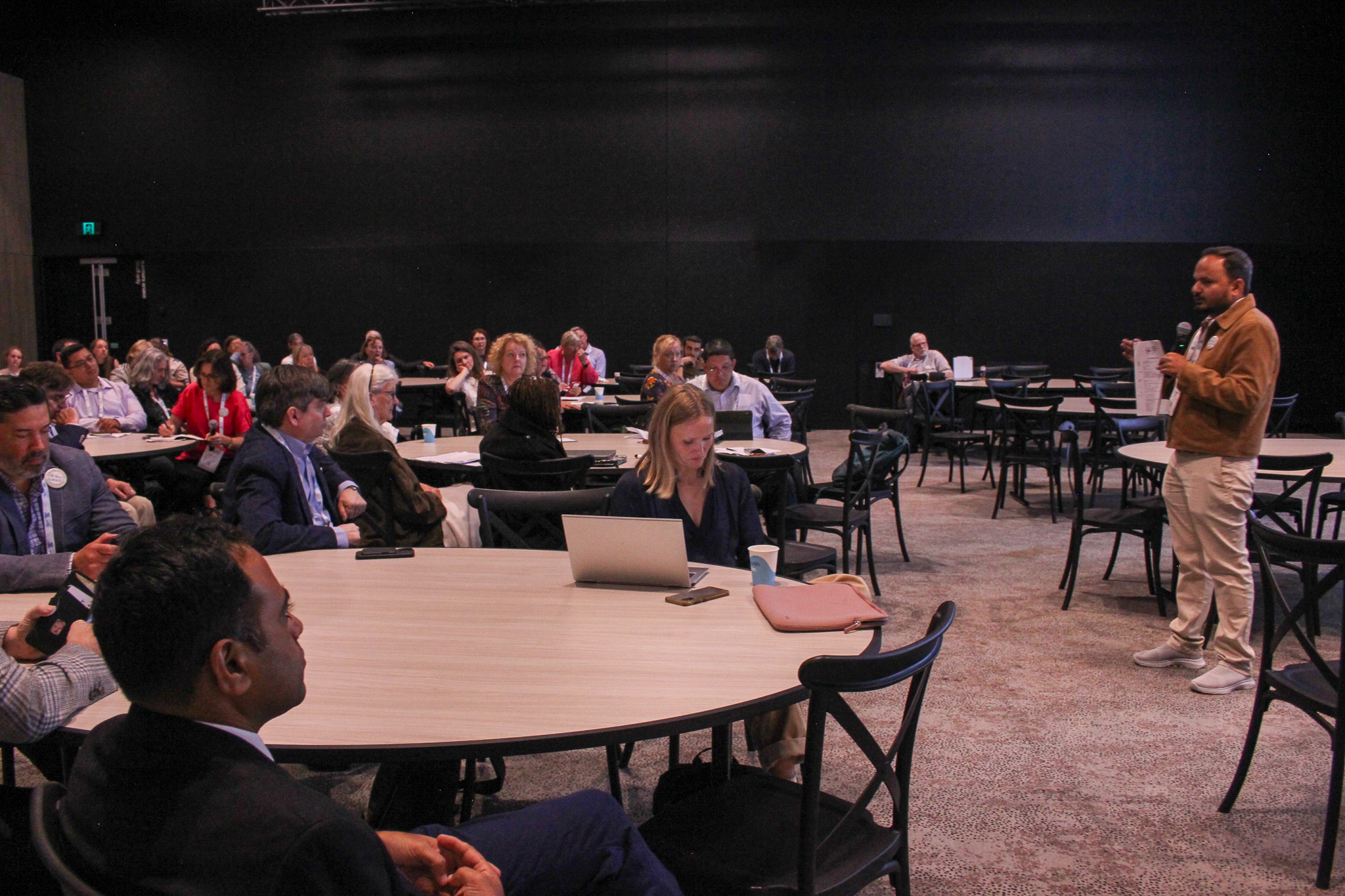
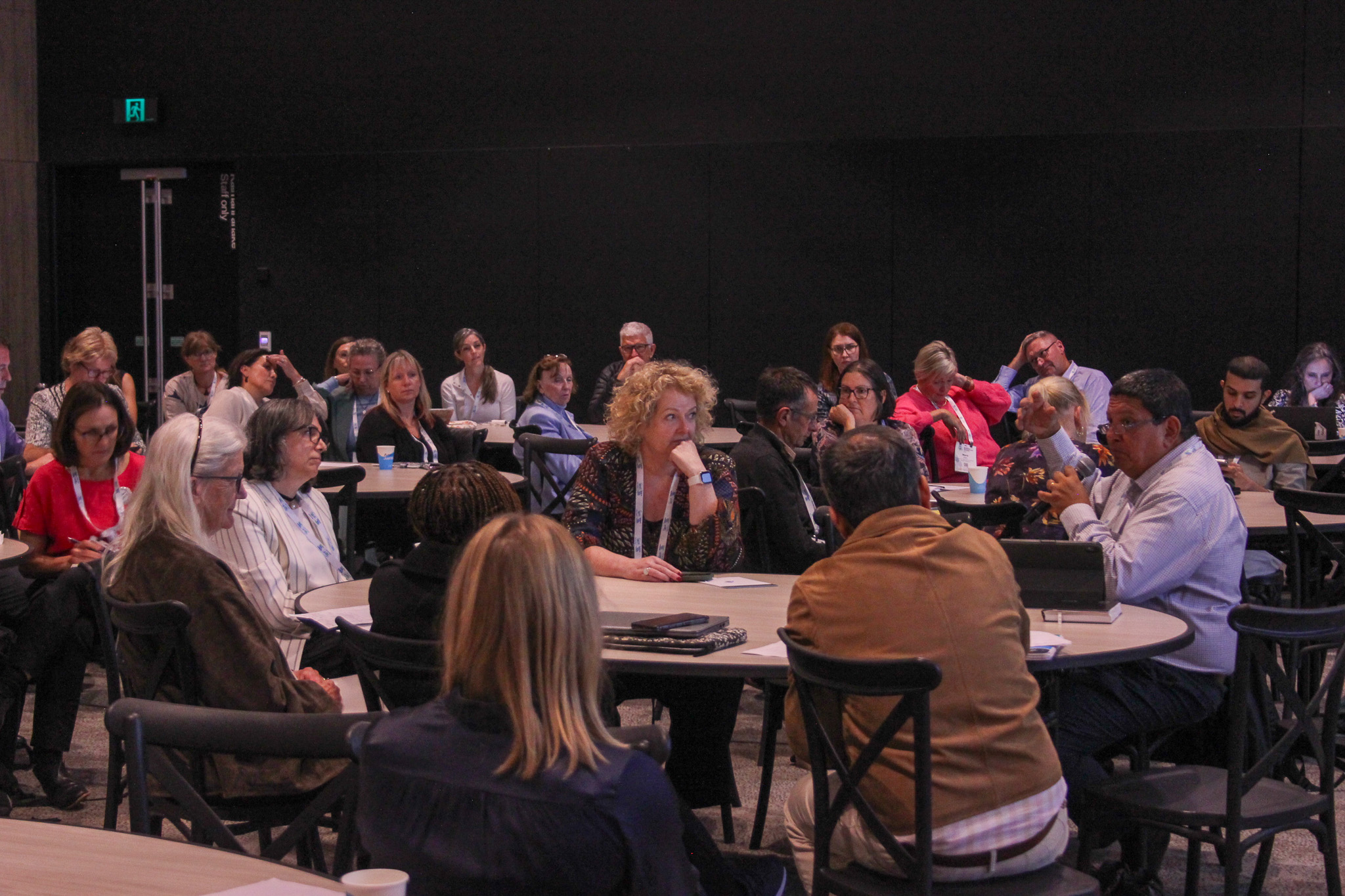
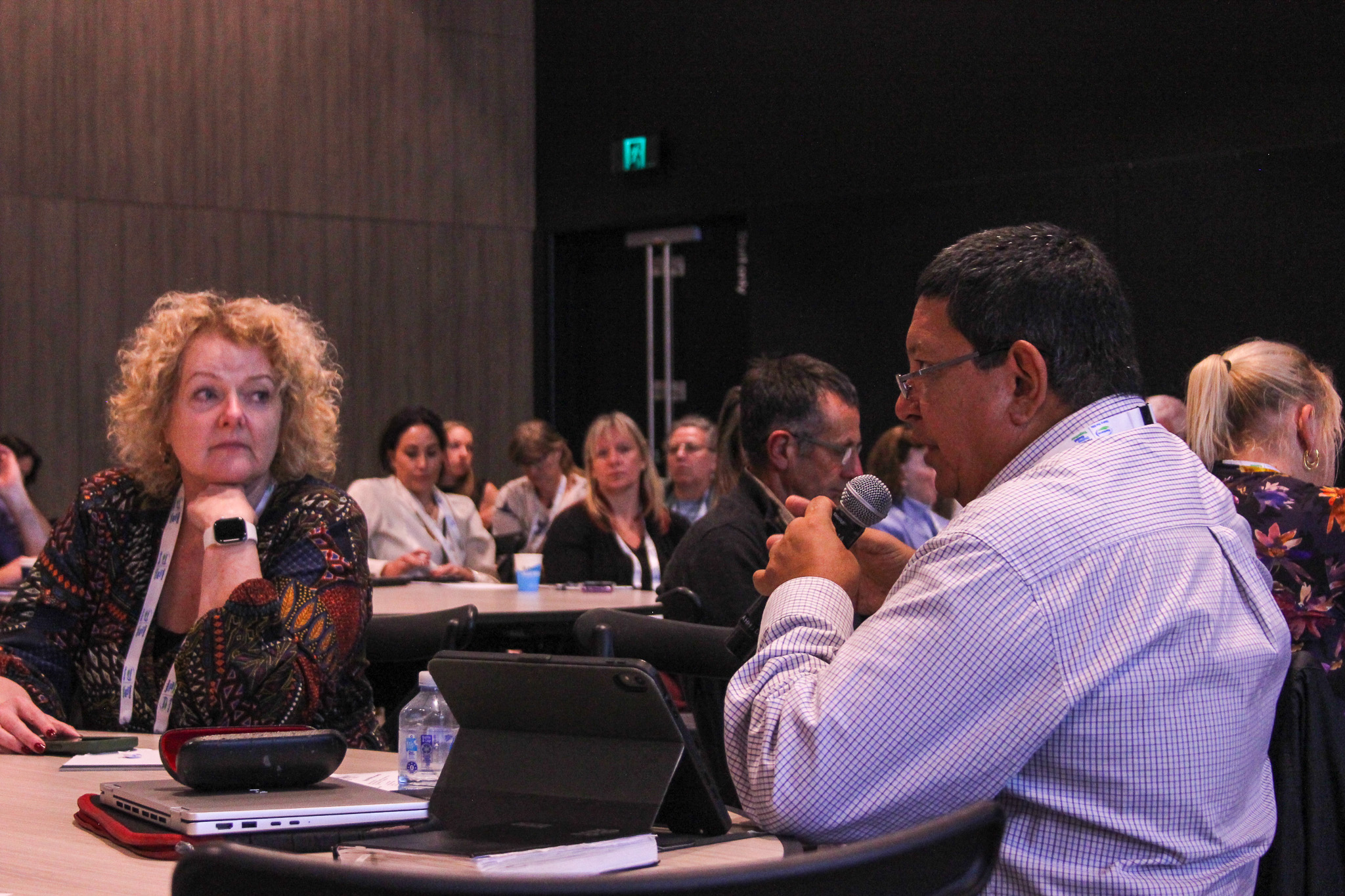
Thursday 9 April marked one of the most substantive days of Rural WONCA 2026, with the Rural WONCA Assembly bringing together approximately 80 delegates from across the globe for a full-day working session at the Tākina Wellington Convention and Exhibition Centre. Open to all conference attendees, the Assembly centred on the GRACE Initiative and what it means for the future of rural health globally.
What is GRACE?
GRACE, which stands for Global Rural Health Action, Collaboration and Excellence, is a new initiative led by the WONCA Working Party on Rural Practice (Rural WONCA). It aims to identify, recognise and connect organisations worldwide that demonstrate exceptional commitment to rural health, creating a formal global network of centres of excellence.
The urban-rural health divide is widening. As the 2026 global health landscape is characterised by a projected shortfall of millions of health workers and an intensifying maldistribution of medical professionals, rural communities continue to bear a disproportionate burden. GRACE is designed as a structural response to this reality, not a symbolic one.
Rather than creating a single standard that favours well-resourced settings, GRACE recognises five categories of eligible organisations: academic centres, health service centres, professional organisations, workforce support centres, and multidisciplinary centres. Critically, the framework is designed to be context-sensitive and resource-appropriate, acknowledging that excellence looks different depending on where you are working.
Key pillars of the GRACE framework include building capacity through the Rural WONCA Institute of Learning, supporting the next generation of rural health leaders through the Rural Seeds platform, expanding multi-sectoral advocacy, and establishing two-way knowledge exchange between high-income and lower-income settings. That reciprocity is deliberate. The initiative is explicit that knowledge must flow in both directions, and that solutions developed in resource-limited settings have value for the global network, not just the other way around.
Governance will be dynamic, with GRACE partner organisations joining an extended Rural WONCA Council and the framework reviewed on a two-year basis. Meetings will alternate between the WONCA World Rural Health Conference and the Global Rural Health Summit.
Morning Session: Opening and Plenary Presentations
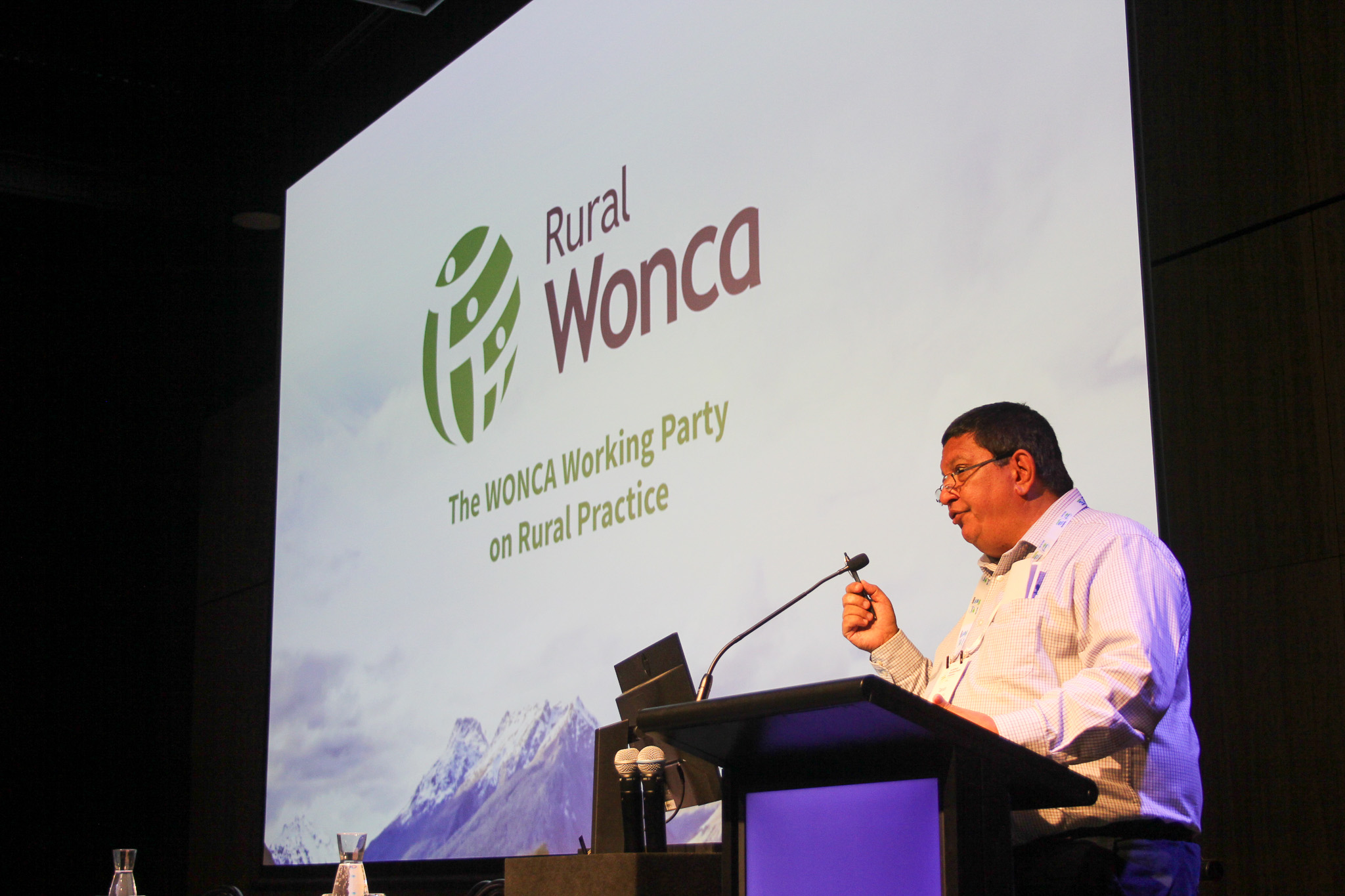
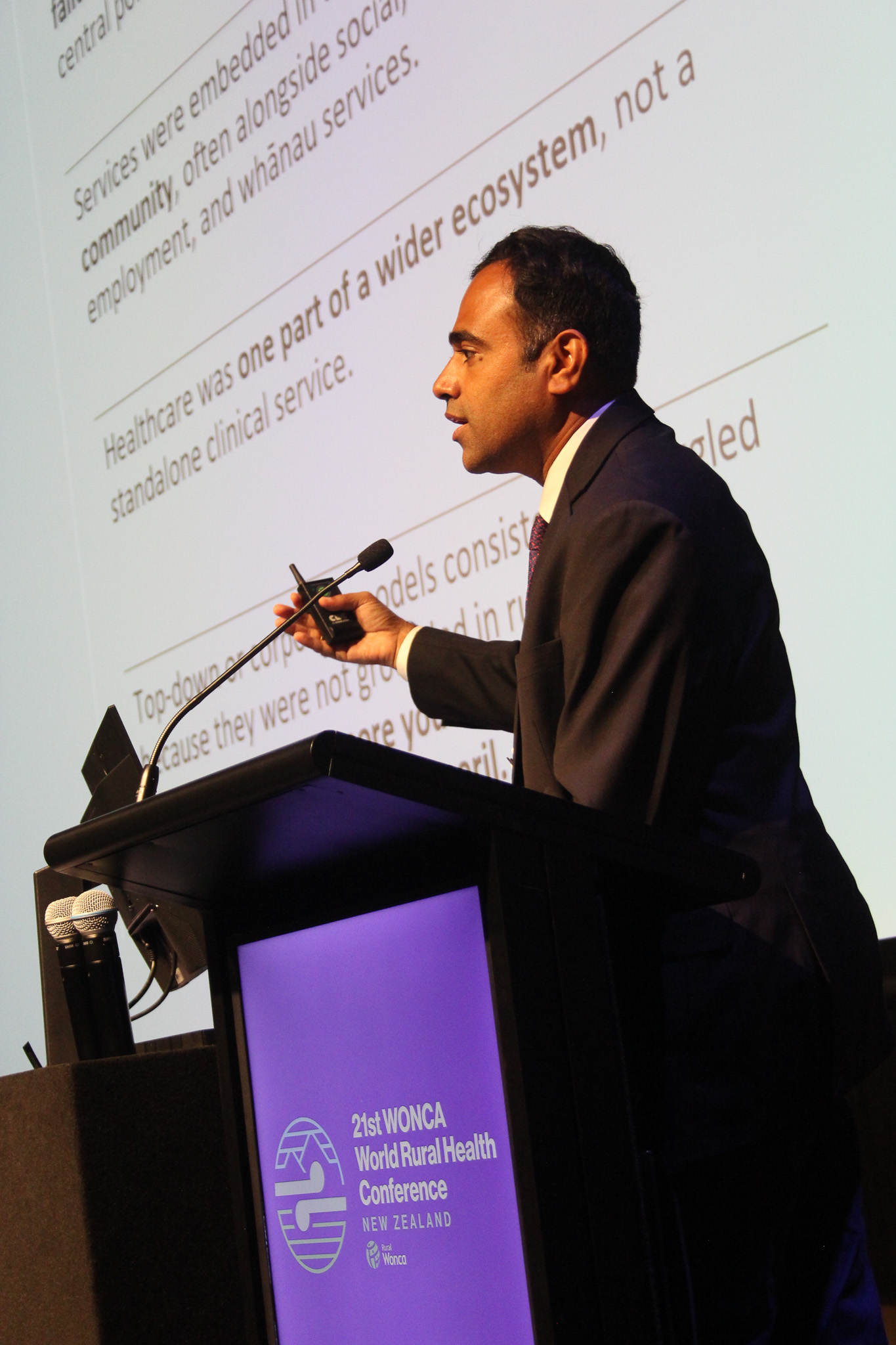
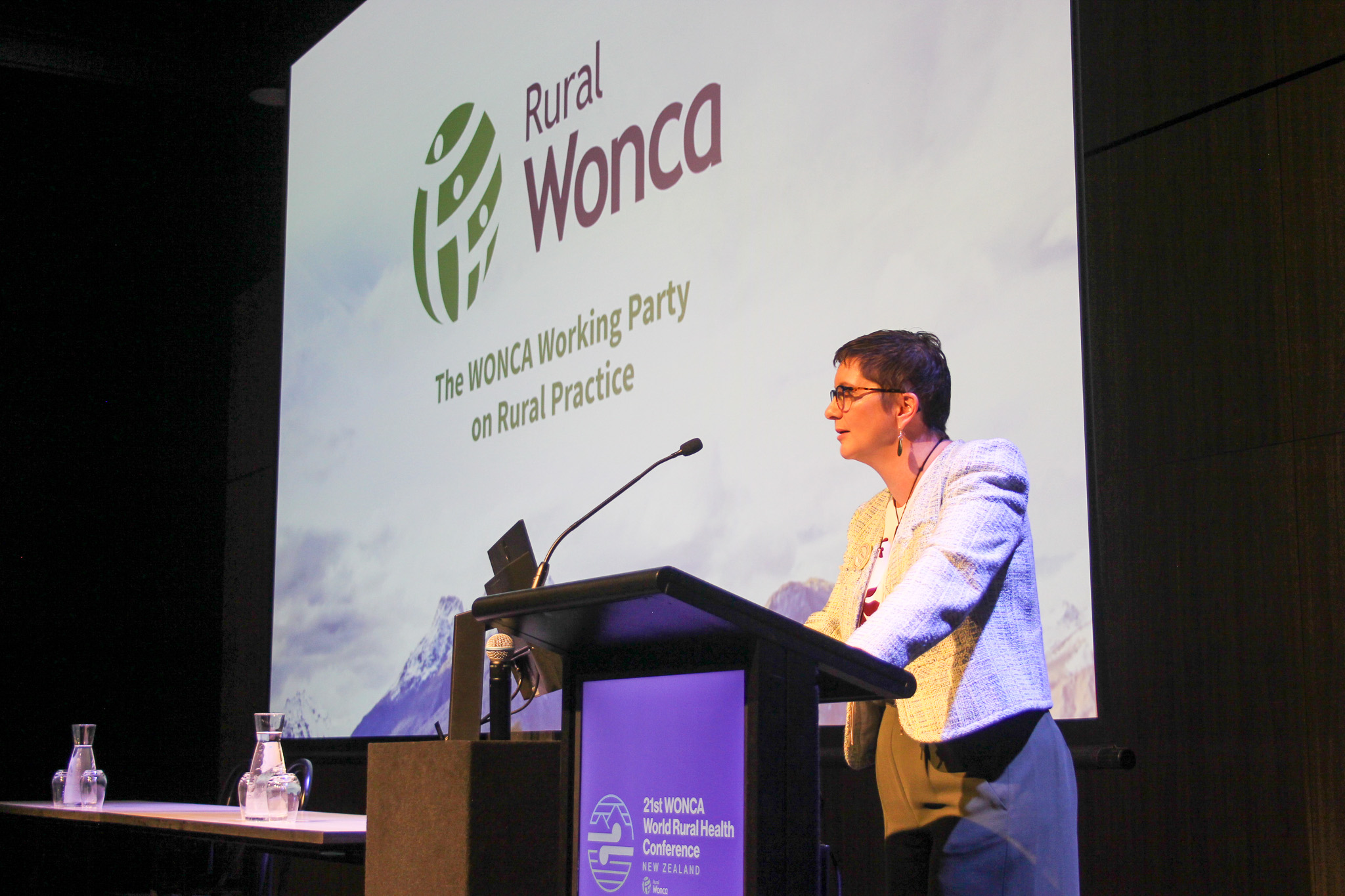
The Assembly opened at 9am with a welcome address from Dr Pratyush Kumar, Chair of the WONCA Working Party on Rural Practice (WWPRP), followed by a special address from Audrey Sonerson, Director General of Health and Chief Executive of New Zealand's Ministry of Health, reflecting the importance placed on rural health at a national level and underscoring New Zealand's role as a committed host country.
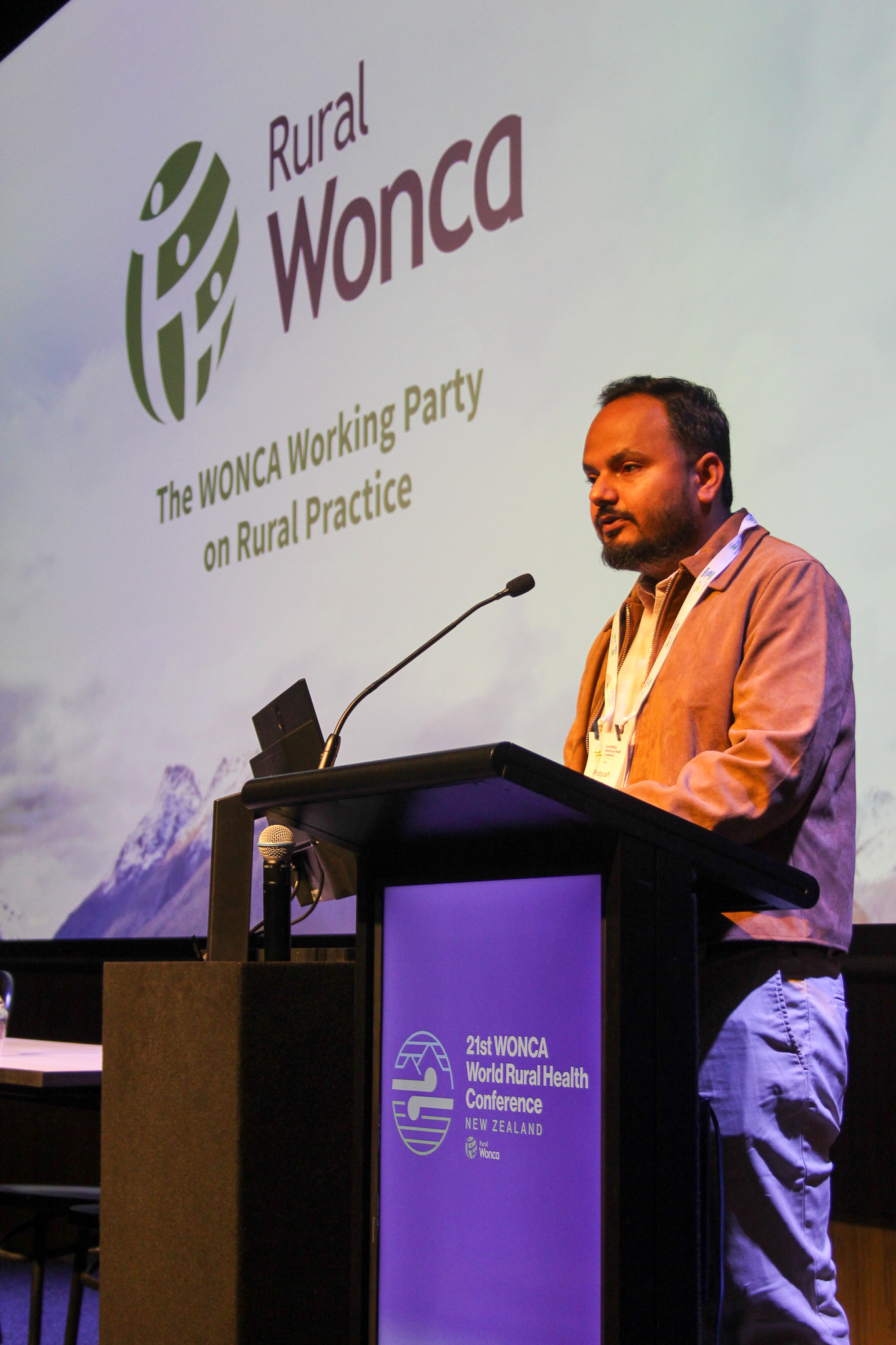
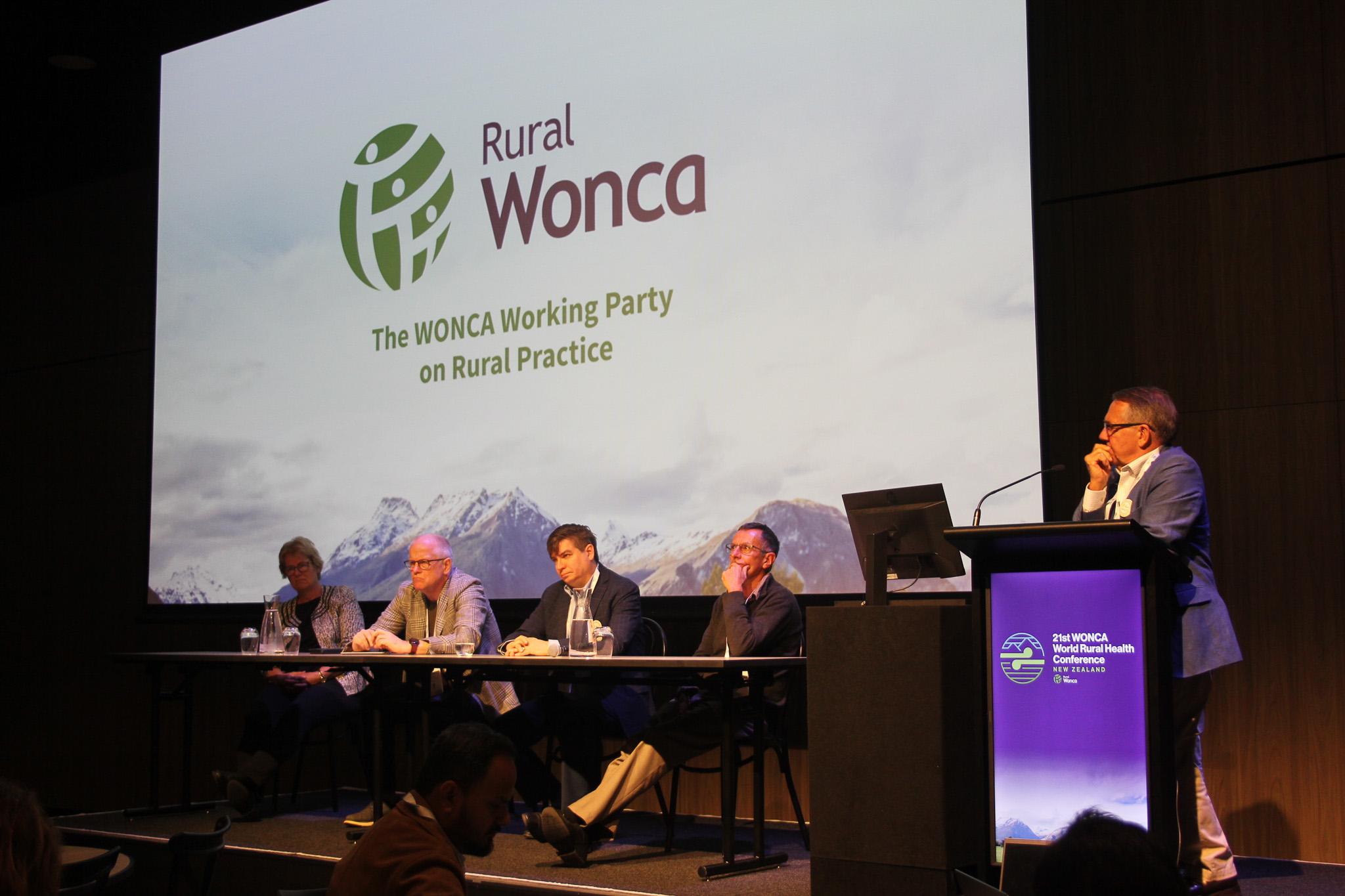
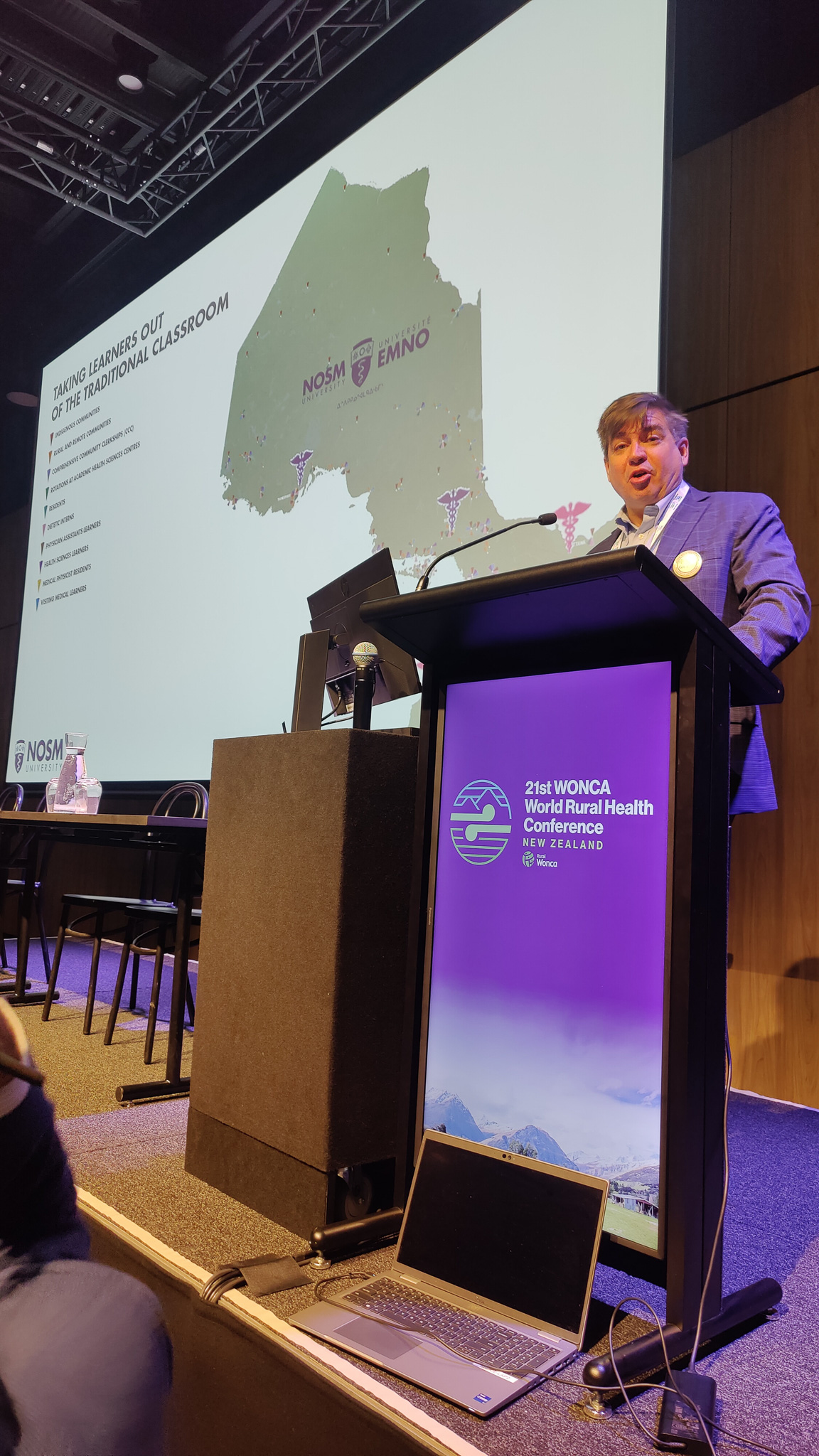
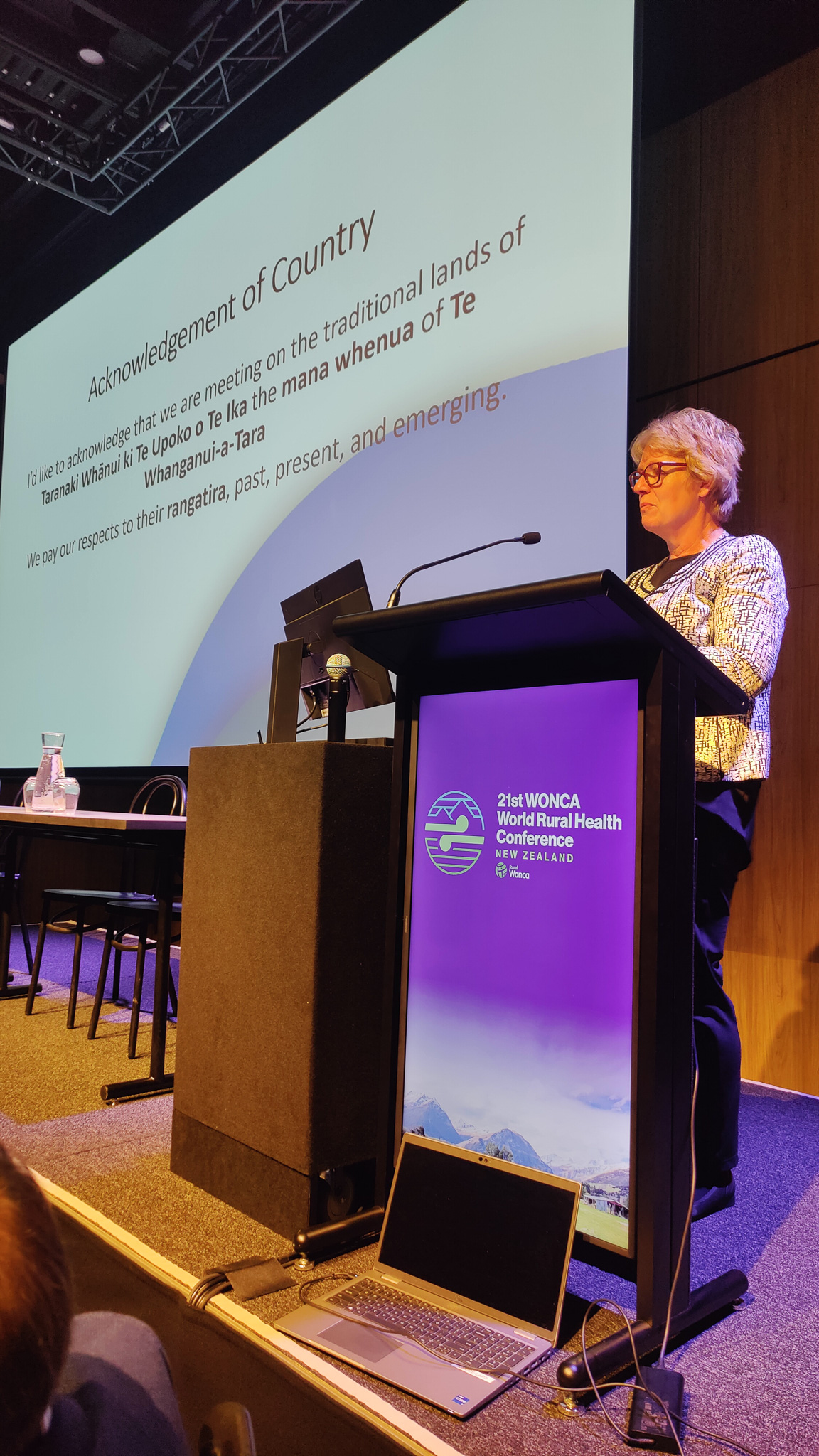
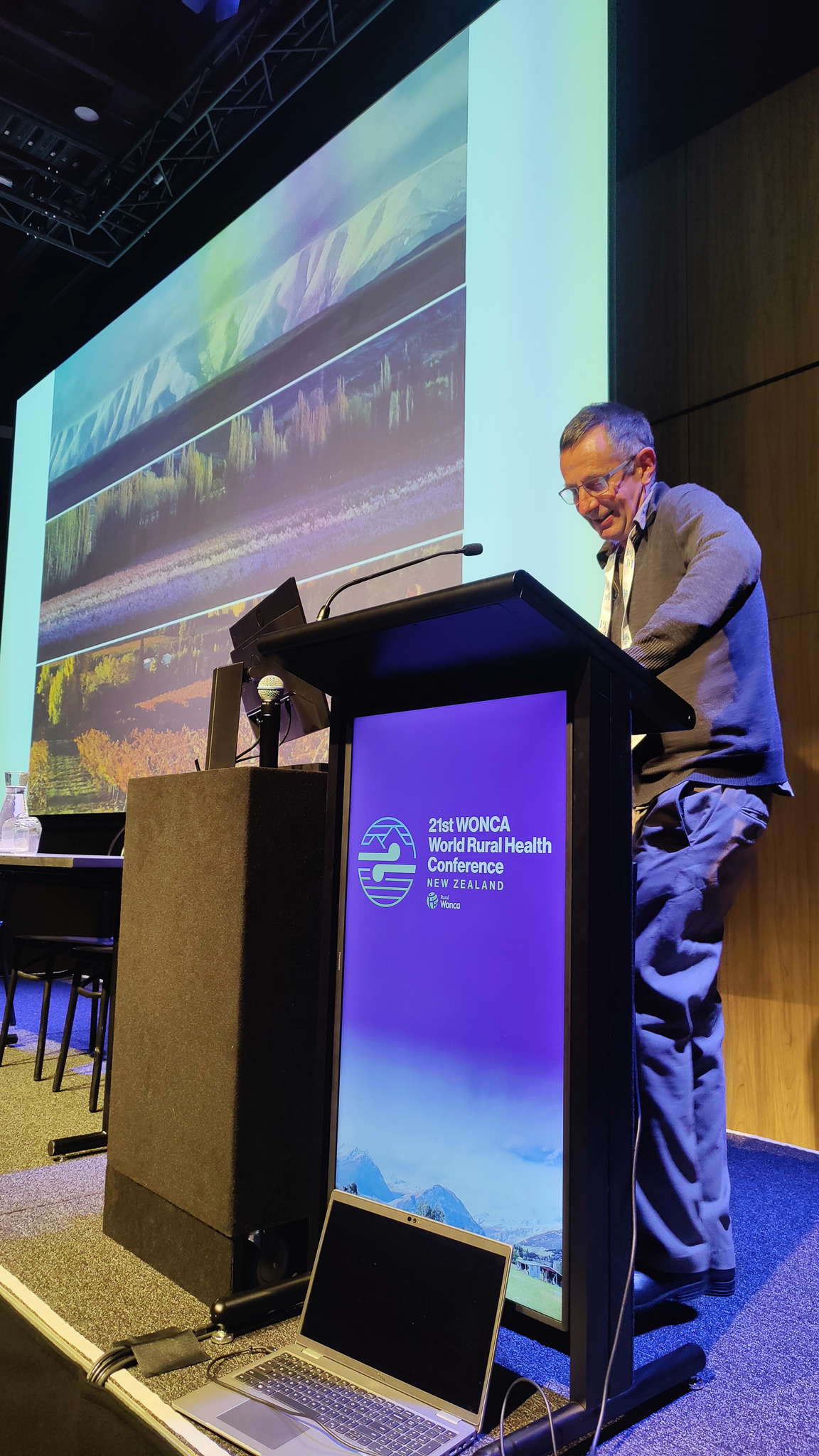
From 9:20am, four organisations presented as featured GRACE examples, each illustrating what the initiative looks like in practice across very different national contexts. Presentations ran ten minutes each, chaired by Professor Bruce Chater, Immediate Past Chair of Rural WONCA:
- Northern Ontario School of Medicine (Canada), presented by Michael Green
- National Rural Health Commissioner (Australia), presented by Jenny May
- Otago University (New Zealand), presented by Garry Nixon
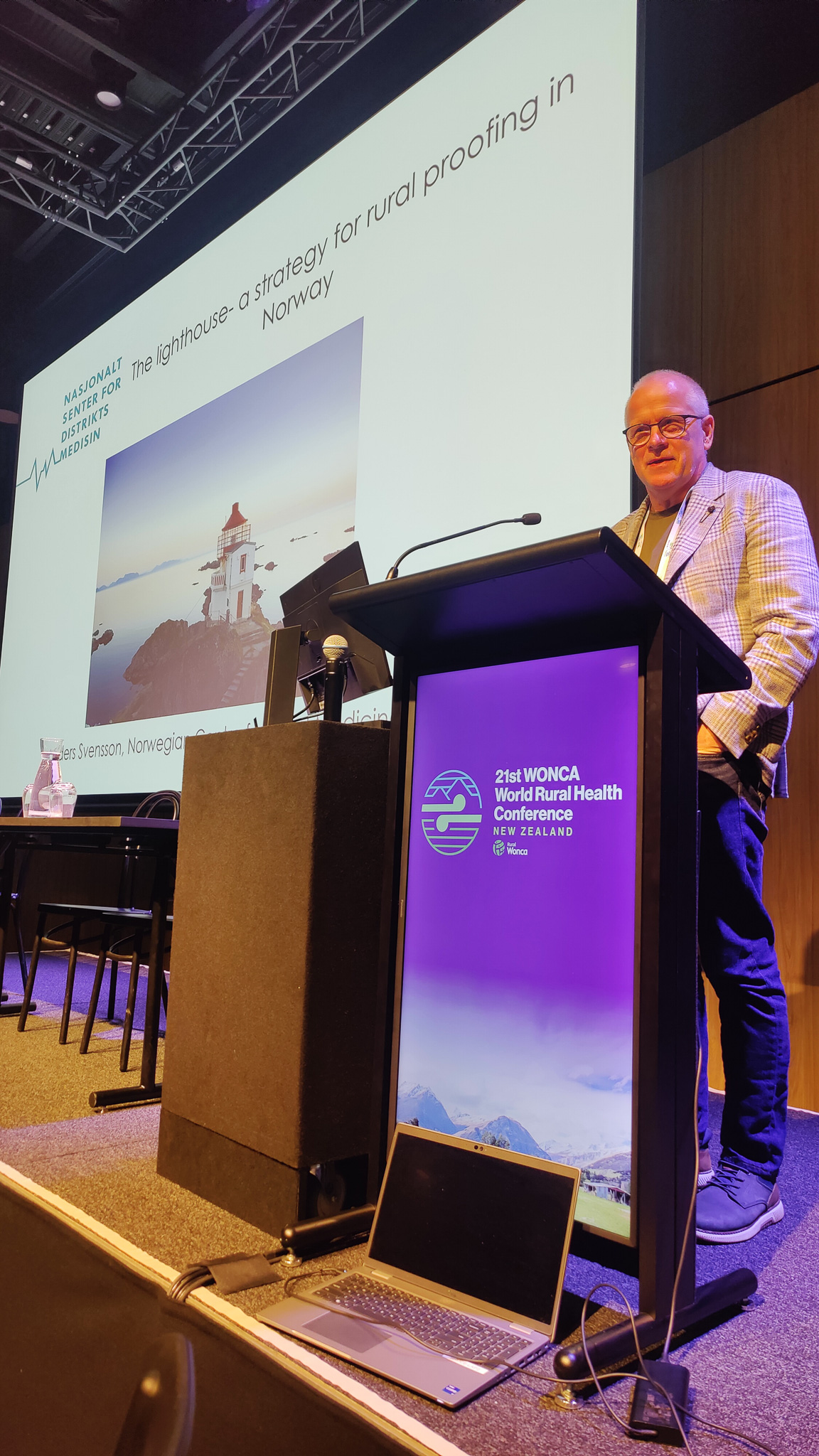
- The Norwegian Centre for Rural Medicine, Arctic University of Norway, presented by Anders Svensson
These four organisations span the globe and represent different categories within GRACE, from academic centres to national advocacy bodies. A Q&A followed before a mid-morning break.
Late Morning: Lightning Presentations and Workshops
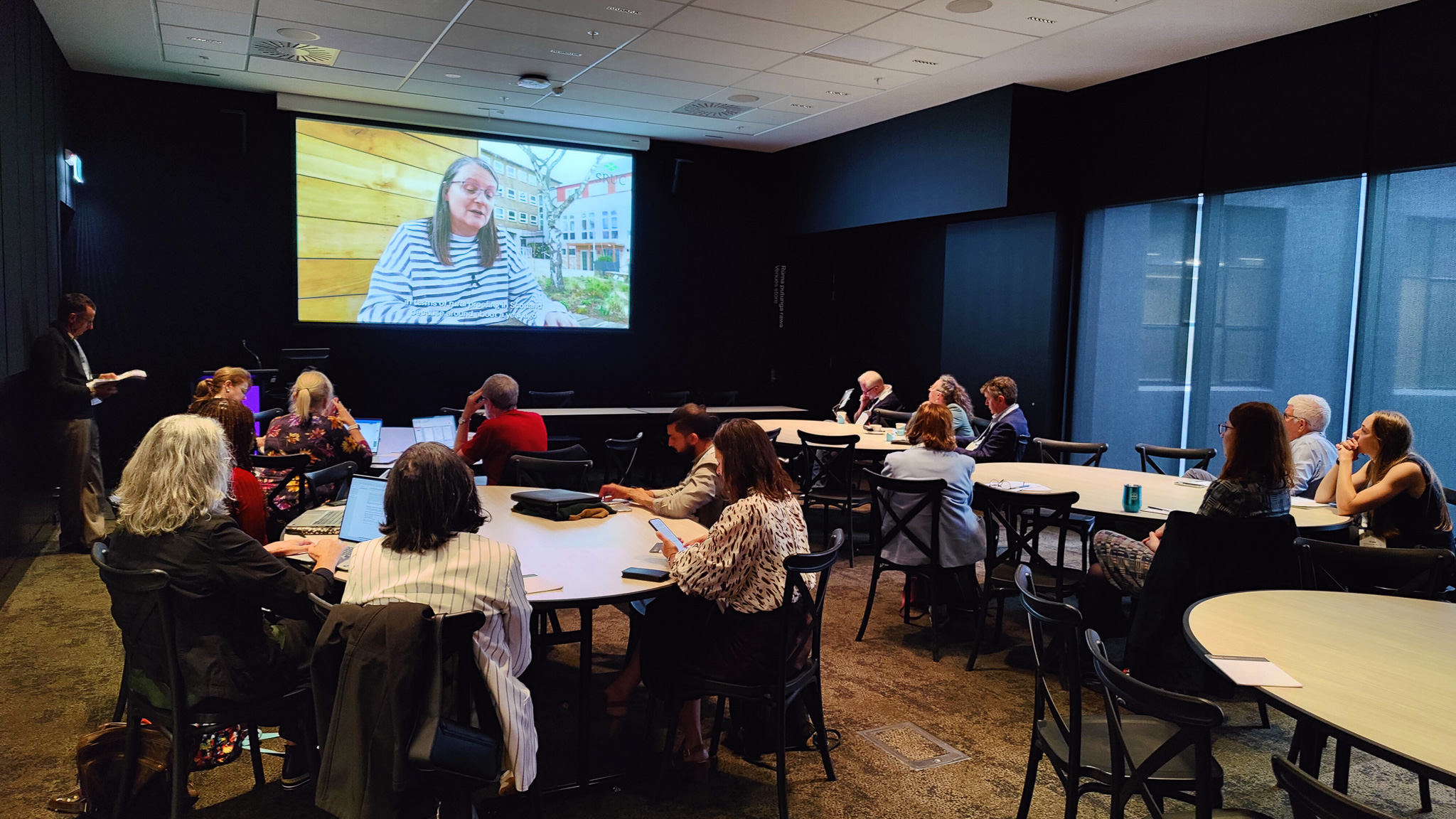
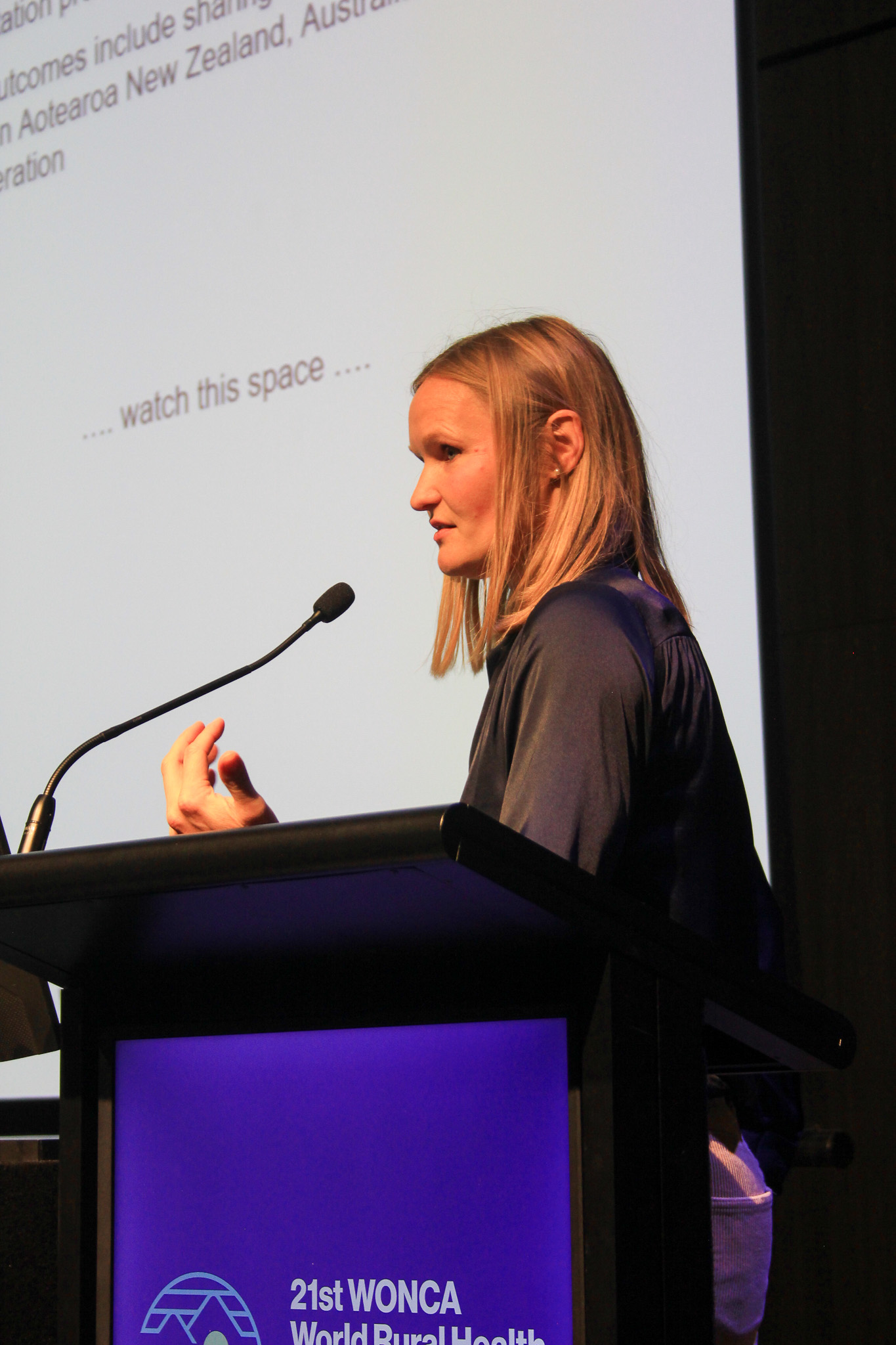
After morning tea, the Assembly moved into a broader and more participatory phase. Around nine to ten lightning presentations, five minutes each, were organised into four thematic streams, with delegates assigned to rooms accordingly.
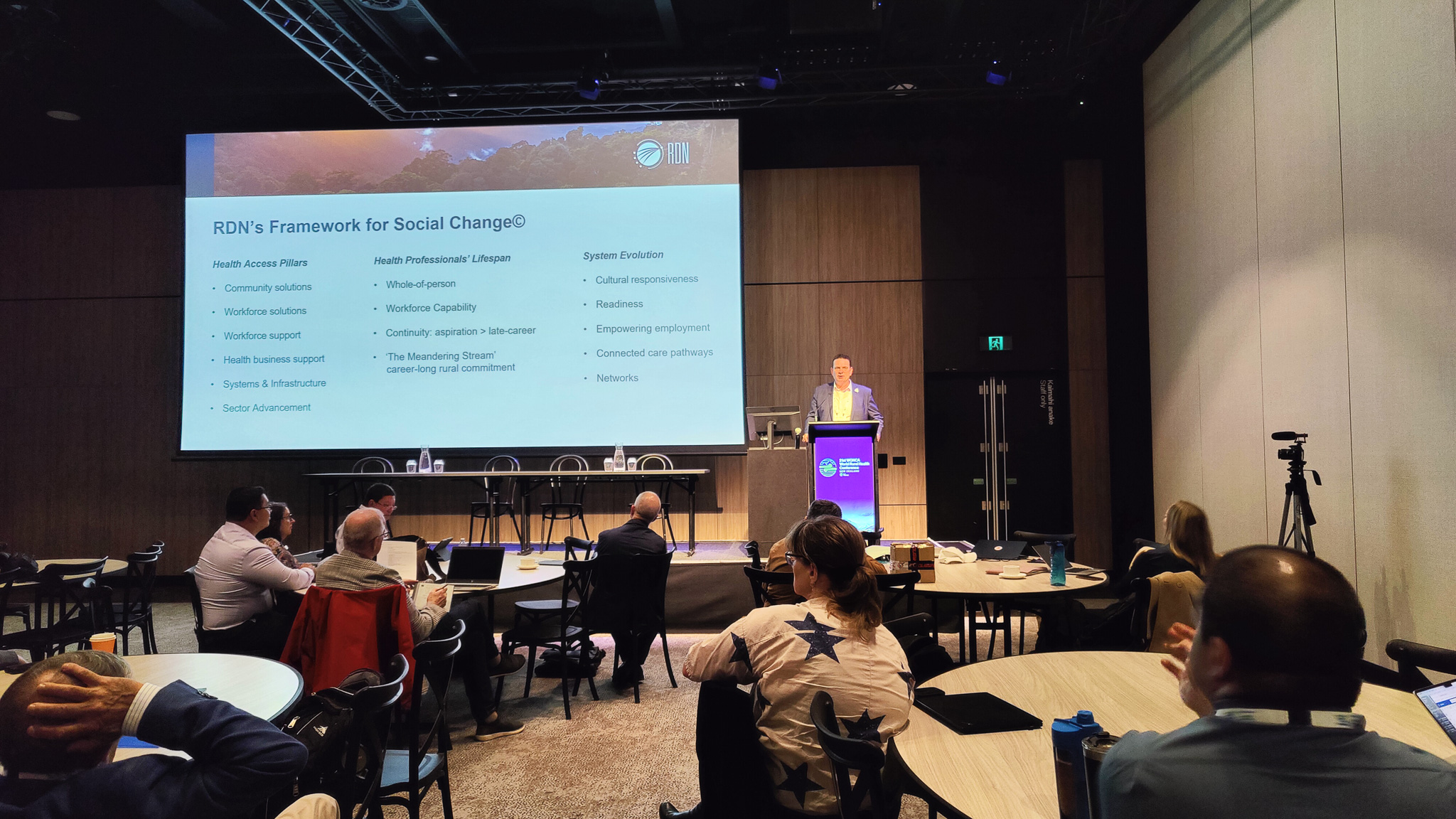
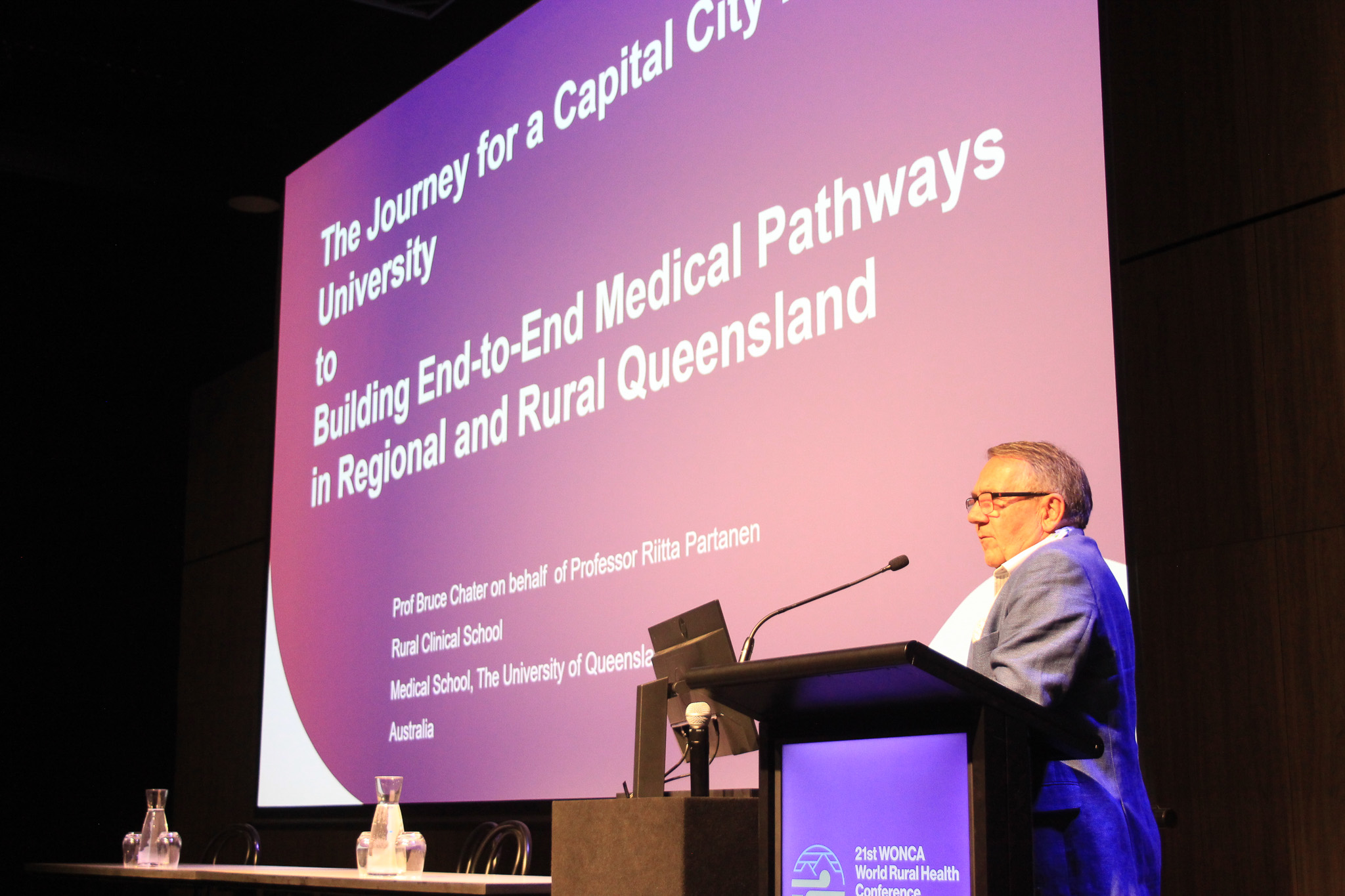
Recruitment and Retention (chaired by Anders Svensson): Presentations from the University of Melbourne (Claire Quilliam), University of Limerick (Liam Glynn), Rural Clinical School at the University of Adelaide (Lucie Walters), Remote Vocational Training Scheme (Pat Giddings), Rural Doctors Association of Australia (Peta Rutherford), Rural Doctors Network (Richard Colbran), University of Queensland Rural Clinical School (Bruce Chater on behalf of Riitta Partanen), and James Cook University School of Medicine and Dentistry (Tarun Sen Gupta, facilitator).
Place-Based Models including End-to-End Training (chaired by Michael Green): Presentations from the University of Jaffna, Sri Lanka (Gobith Ratnasingam), Rural Island and Dispensing Doctors of Ireland (Jerry Cowley), Mobile Health (Mark Eager), Riverland Academy of Clinical Excellence (Wayne Champion), Basic Health Services Nepal (Ramakrishna Prasad, facilitator), Primary Care and Rural Health Bangladesh (Zakiur Rahman), Heart of Australia (Ewan Wylie), and Ngāti Kahungunu ki Tāmaki-nui-a-Rua Trust, Te Kahu Hauora (Tania Chamberlain).
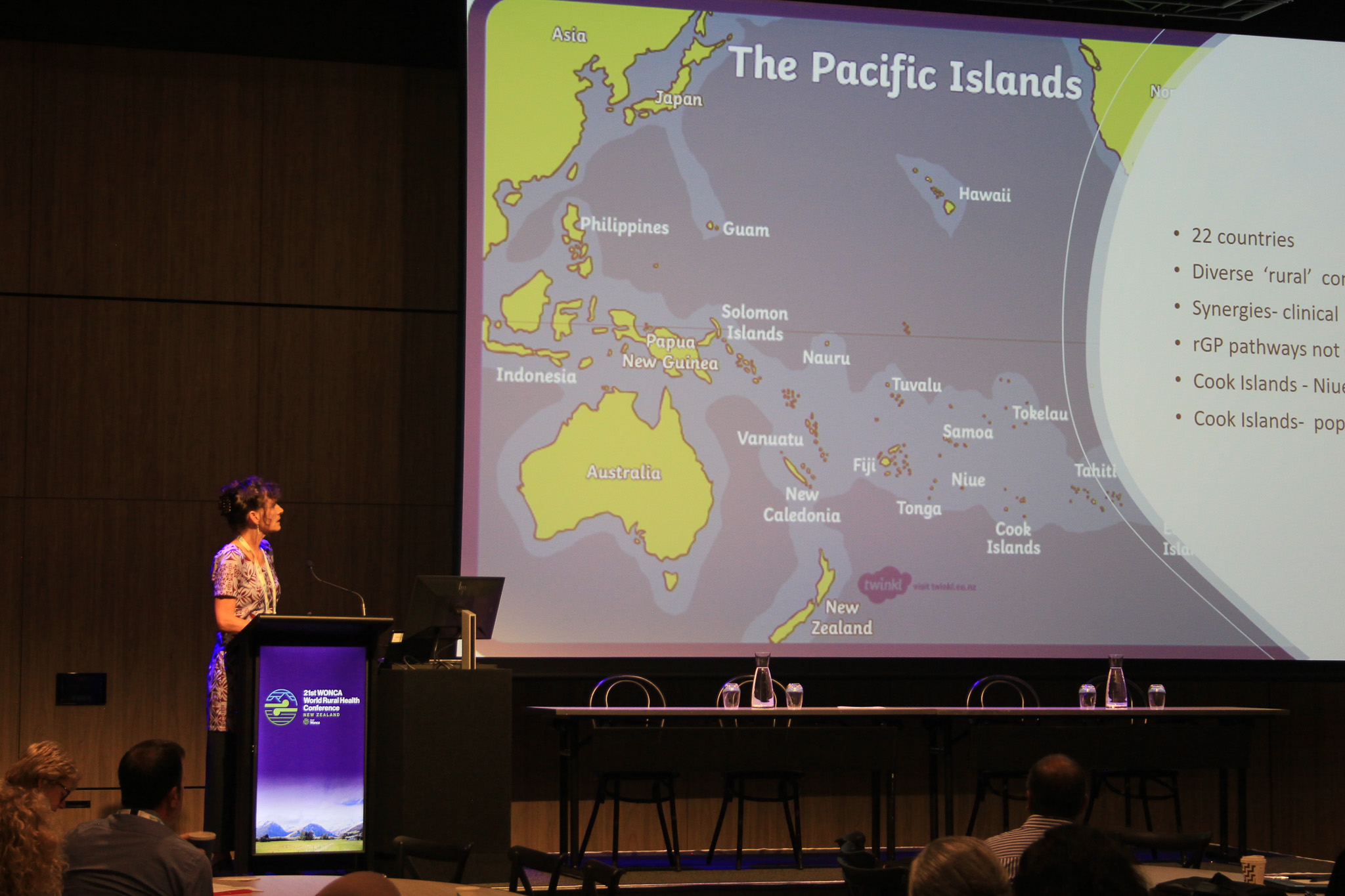
Rural Generalist and General Practice (chaired by Jenny May): Presentations from Te Tai o Poutini, Health New Zealand (Brendan Marshall, facilitator), Rural Clinical School Research Centre, University of Queensland (Bushra Nasir), Centre for Pacific Health and Centre for Rural Health, Otago University (Katharina Blattner), Australian College of Rural and Remote Medicine (Marita Cowie), Philippine Academy of Family Physicians (Neki Soriano), Queensland Rural Generalist Pathway (Prue Wallin), NHS Education for Scotland, National Centre for Remote and Rural Health and Care (Sarah-Anne Munoz), University of Minnesota RHAP (Shailey Prasad), and University of Queensland Rural Clinical School (Srinivas Kondalsamy-Chennakes).
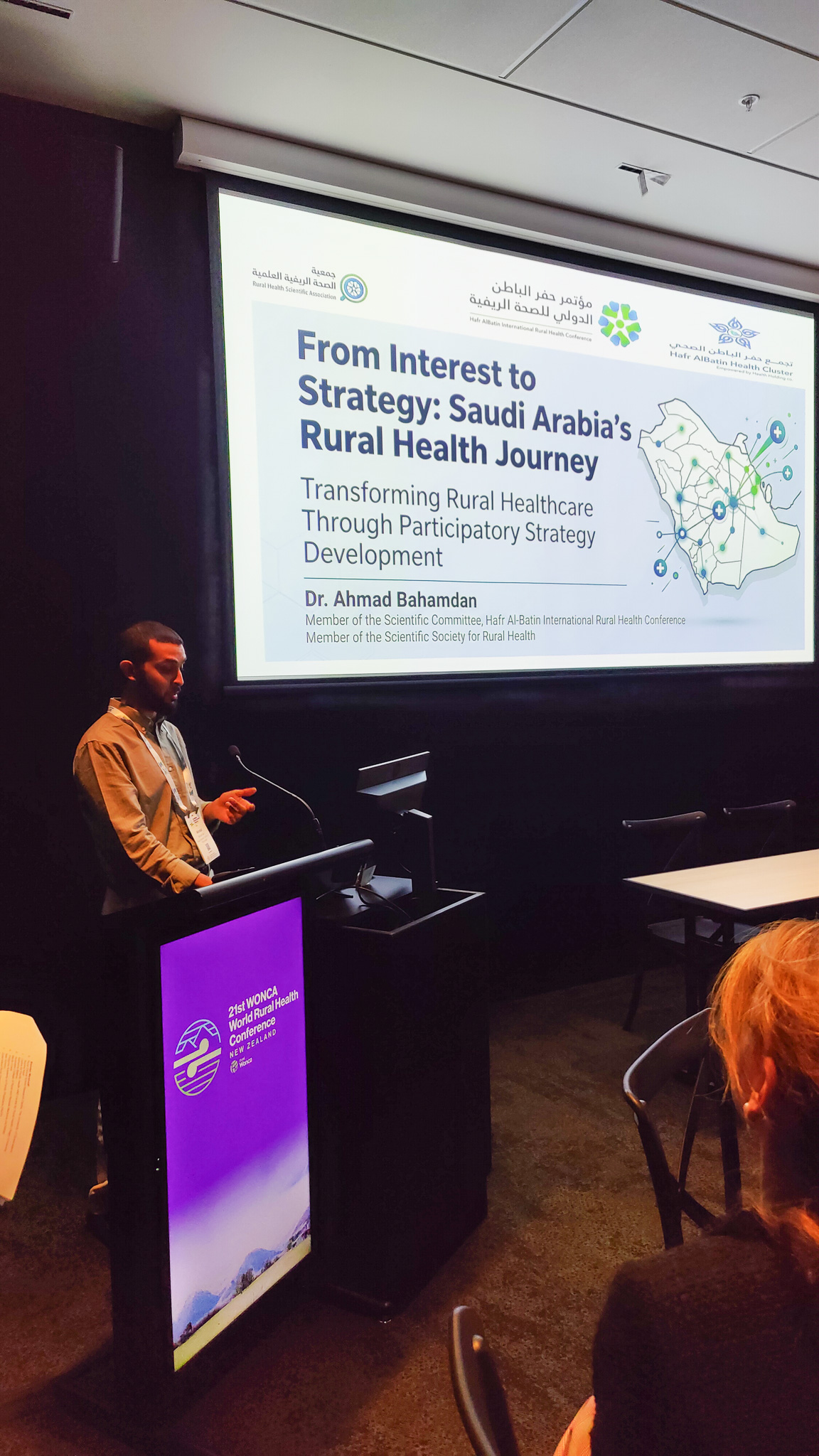
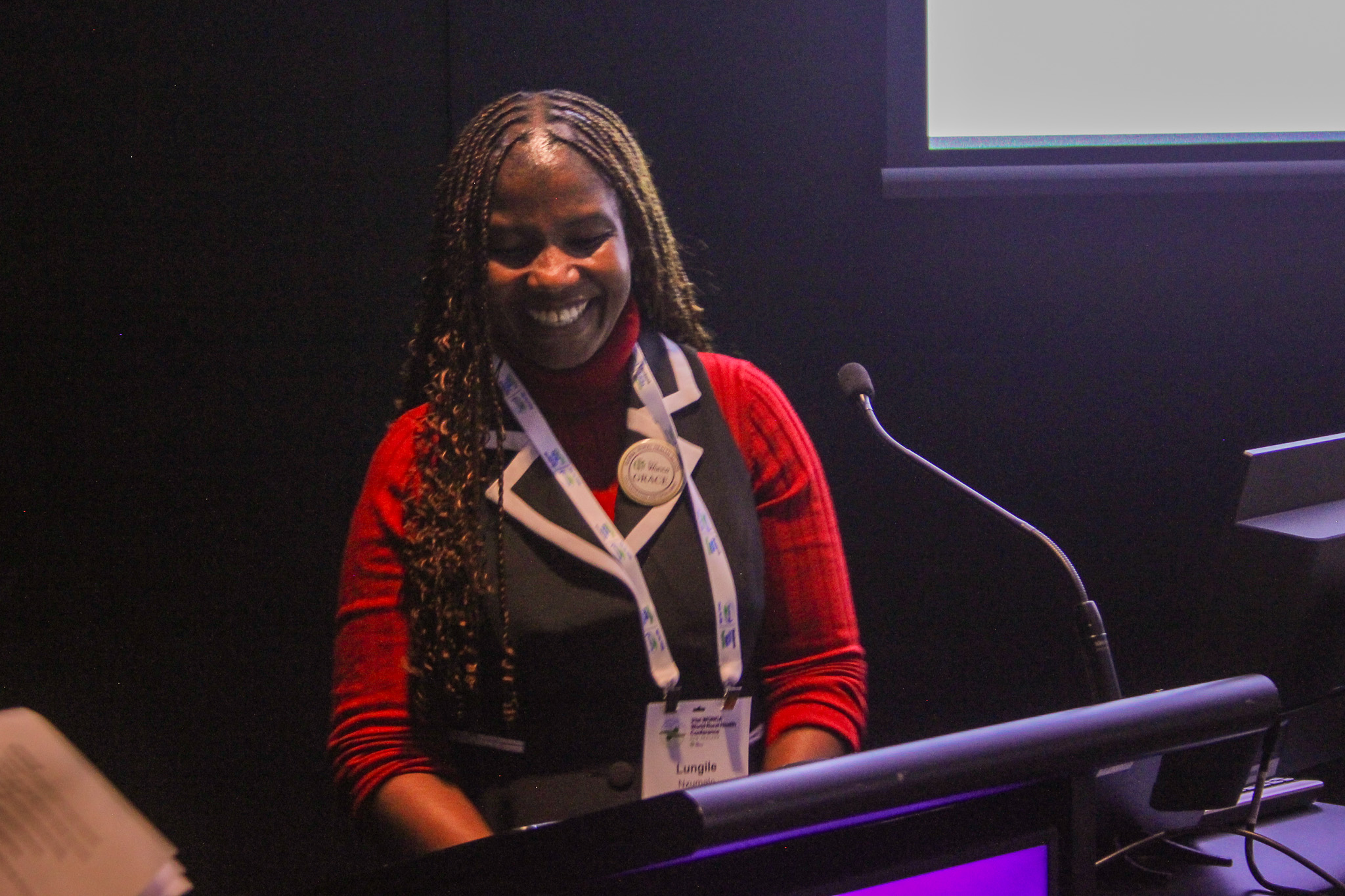
Rural Policy, Proofing and Evaluation (chaired by Garry Nixon): Presentations from the Independent Health and Aged Care Pricing Authority, Australia (Adam Coltzau), Monash University School of Rural Health (Belinda O'Sullivan, facilitator), Rural Health Advocacy Project (Celene Coleman), Scotland's Rural College (Jane Atterton), European Rural and Isolated Practitioners Association, EURIPA (Joyce Kenkre), Rural Doctors Association of Southern Africa, RuDASA (Lungile Hobe-Nxumalo), Saudi Arabia Scientific Society of Rural Health (Ahmed Bahamdan on behalf of Omar Saleh AlMuhaimeed), Federation of Rural Australian Medical Educators, FRAME (Riitta Partanen), and National Rural Health Alliance, Australia (Suzi Tegen).
Following the lightning presentations, delegates moved into structured workshops with their thematic groups. Each workshop explored three questions: what are the key lessons from the presentations; what similar initiatives exist elsewhere; and how could these models be scaled or reproduced. Groups then prepared findings to present back to the full Assembly in the afternoon.
Afternoon Session: Report-Backs, Fellowships, and Open Forum
The afternoon Assembly reconvened at 2pm under the chair of Dr Pratyush Kumar. Each of the four workshop groups reported back their findings, creating a collective picture of where the global community sees both progress and persistent gaps in rural health delivery.
The afternoon also included the Presentation of Rural WONCA Fellowships, recognising past chairs for their contributions to rural health globally. Fellowships were awarded to Professor Roger Strasser, Professor Jim Rourke (participating online), Professor Ian Couper, Professor John Wynn-Jones (participating online), and Professor Bruce Chater.
The session concluded with an open forum, where delegates shared direct feedback on how GRACE should be operationalised going forward. Presentations and resources from the day will be made available on the Rural WONCA website, along with the option for speakers to submit keywords indicating areas where they are open to mentorship and collaboration.
A Call for Equity in Global Partnerships
In his address to the Assembly, Dr Pratyush Kumar reflected on what the day's presentations had collectively illustrated and what remained unfinished business for the global community.
Kumar acknowledged the inspiration in what had been shared, from Northern Ontario to the Arctic, from Sri Lanka and South Africa to Bangladesh and Australia. But he was direct about the limitations of drawing universal lessons from a landscape that remains deeply unequal. In low- and middle-income countries, he noted, colleagues are simultaneously managing preventable communicable diseases and rising rates of ischemic heart disease and stroke. They are fighting on two fronts with significantly constrained resources, and the data needed to make the case for investment is often itself lacking, making it harder to influence global policy.
He challenged delegates to think carefully about how evidence is used and presented, noting that statistics can be shaped to serve many different arguments, and that the absence of strong primary data from LMICs does not mean the realities are less serious. It means they are less visible. For those in a position to influence global decisions, he argued, that invisibility is not neutral.
Kumar was equally candid about the political dimensions of rural health investment, including the tendency for health to be deprioritised during election cycles, and the way corporate and media interests can distort the space for honest, independent conversation. He framed the Assembly itself as precisely the kind of space needed: free from lobbying, grounded in practice, and genuinely cross-regional.
His call to the Assembly was clear. Partnerships between colleagues from high-income countries and LMICs must be built on genuine reciprocity. The value does not flow in one direction. Models developed under significant constraint, often with deep community trust and remarkable clinical resourcefulness, carry lessons that are relevant everywhere. The GRACE initiative, he argued, is an opportunity to formalise that exchange and to ensure that the voices of rural practitioners, particularly those in the most under-resourced settings, shape the frameworks and policies that affect them.
The Assembly closed at 4pm. Delegates gathered again that evening for the Conference Welcome Reception.
Get Involved: Joining the GRACE Network
GRACE is open to organisations globally that share a commitment to rural health. Whether you represent a university training rural health professionals, a health service working in a remote community, a professional body advocating for rural practitioners, a workforce support organisation, or a multidisciplinary rural health group, there is a place for you in this network.
Designation as a GRACE partner brings global recognition and connection to a growing international community of practice. It also carries responsibilities: partners contribute to knowledge sharing, participate in the governance of Rural WONCA, and submit a short annual report on their activities and impact. The framework is deliberately flexible, designed to be achievable across very different resource contexts.
The next opportunity to engage with GRACE will be at the Global Rural Health Summit, taking place at the TUFH 2026 conference in Manila in August 2026. In the meantime, organisations interested in finding out more or expressing an interest in designation are encouraged to contact Rural WONCA directly via the WONCA website at www.wonca.com.
Rural WONCA is also inviting all Assembly presenters and participants to submit four to five keywords reflecting areas in which they are open to mentorship or collaboration. These will be published alongside presentation resources on the website, creating an ongoing mechanism for connection beyond the conference.
Annex: Assembly Presentations and Speakers
Opening Plenary
- Dr Pratyush Kumar, Chair, WONCA Working Party on Rural Practice. Opening address.
- Audrey Sonerson, Director General of Health and Chief Executive, New Zealand Ministry of Health.
- Michael Green, Northern Ontario School of Medicine, Canada.
- Jenny May, National Rural Health Commissioner, Australia.
- Garry Nixon, Otago University, New Zealand.
- Anders Svensson, Norwegian Centre for Rural Medicine, Arctic University of Norway.
Lightning Presentations: Recruitment and Retention
- Claire Quilliam, University of Melbourne, Australia.
- Liam Glynn, University of Limerick, Ireland.
- Lucie Walters, Rural Clinical School, University of Adelaide, Australia.
- Pat Giddings, Remote Vocational Training Scheme, Australia.
- Peta Rutherford, Rural Doctors Association of Australia.
- Richard Colbran, Rural Doctors Network, Australia.
- Bruce Chater (on behalf of Riitta Partanen), University of Queensland Rural Clinical School, Australia.
- Tarun Sen Gupta (facilitator), James Cook University School of Medicine and Dentistry, Australia.
Lightning Presentations: Place-Based Models including End-to-End Training
- Gobith Ratnasingam, Department of Community and Family Medicine, University of Jaffna, Sri Lanka.
- Jerry Cowley, Rural Island and Dispensing Doctors of Ireland (RIDDI).
- Mark Eager, Mobile Health.
- Wayne Champion, Riverland Academy of Clinical Excellence, Australia.
- Ramakrishna Prasad (facilitator), Basic Health Services (BHS), Nepal.
- Zakiur Rahman, Primary Care and Rural Health Bangladesh.
- Ewan Wylie, Heart of Australia.
- Tania Chamberlain, Ngāti Kahungunu ki Tāmaki-nui-a-Rua Trust, Te Kahu Hauora, New Zealand.
Lightning Presentations: Rural Generalist and General Practice
- Brendan Marshall (facilitator), Te Tai o Poutini, Health New Zealand.
- Bushra Nasir, Rural Clinical School Research Centre, University of Queensland, Australia.
- Katharina Blattner, Centre for Pacific Health and Centre for Rural Health, Otago University, New Zealand.
- Marita Cowie, Australian College of Rural and Remote Medicine (ACRRM).
- Neki Soriano, Philippine Academy of Family Physicians (PAFP).
- Prue Wallin, Queensland Rural Generalist Pathway, Australia.
- Sarah-Anne Munoz, National Centre for Remote and Rural Health and Care, NHS Education for Scotland.
- Shailey Prasad, University of Minnesota RHAP, United States.
- Srinivas Kondalsamy-Chennakes, Rural Clinical School Research Centre, University of Queensland, Australia.
Lightning Presentations: Rural Policy, Proofing and Evaluation
- Adam Coltzau, Independent Health and Aged Care Pricing Authority (IHACPA), Australia.
- Belinda O'Sullivan (facilitator), Monash University School of Rural Health, Australia.
- Celene Coleman, Rural Health Advocacy Project, Australia.
- Jane Atterton, Scotland's Rural College (SRUC).
- Joyce Kenkre, European Rural and Isolated Practitioners Association (EURIPA).
- Lungile Hobe-Nxumalo, Rural Doctors Association of Southern Africa (RuDASA).
- Ahmed Bahamdan (on behalf of Omar Saleh AlMuhaimeed), Saudi Arabia Scientific Society of Rural Health, Hafr Albatin.
- Riitta Partanen, Federation of Rural Australian Medical Educators (FRAME).
- Suzi Tegen, National Rural Health Alliance (NRHA), Australia.
Photos