Rural WONCA launch GRACE Initiative
The WONCA Working Party on Rural Practice (Rural WONCA) has formally launched the GRACE Initiative —
Global
Rural Health
Action,
Collaboration and
Excellence — a new framework to connect and recognise organisations around the world that are making a meaningful difference to rural health.
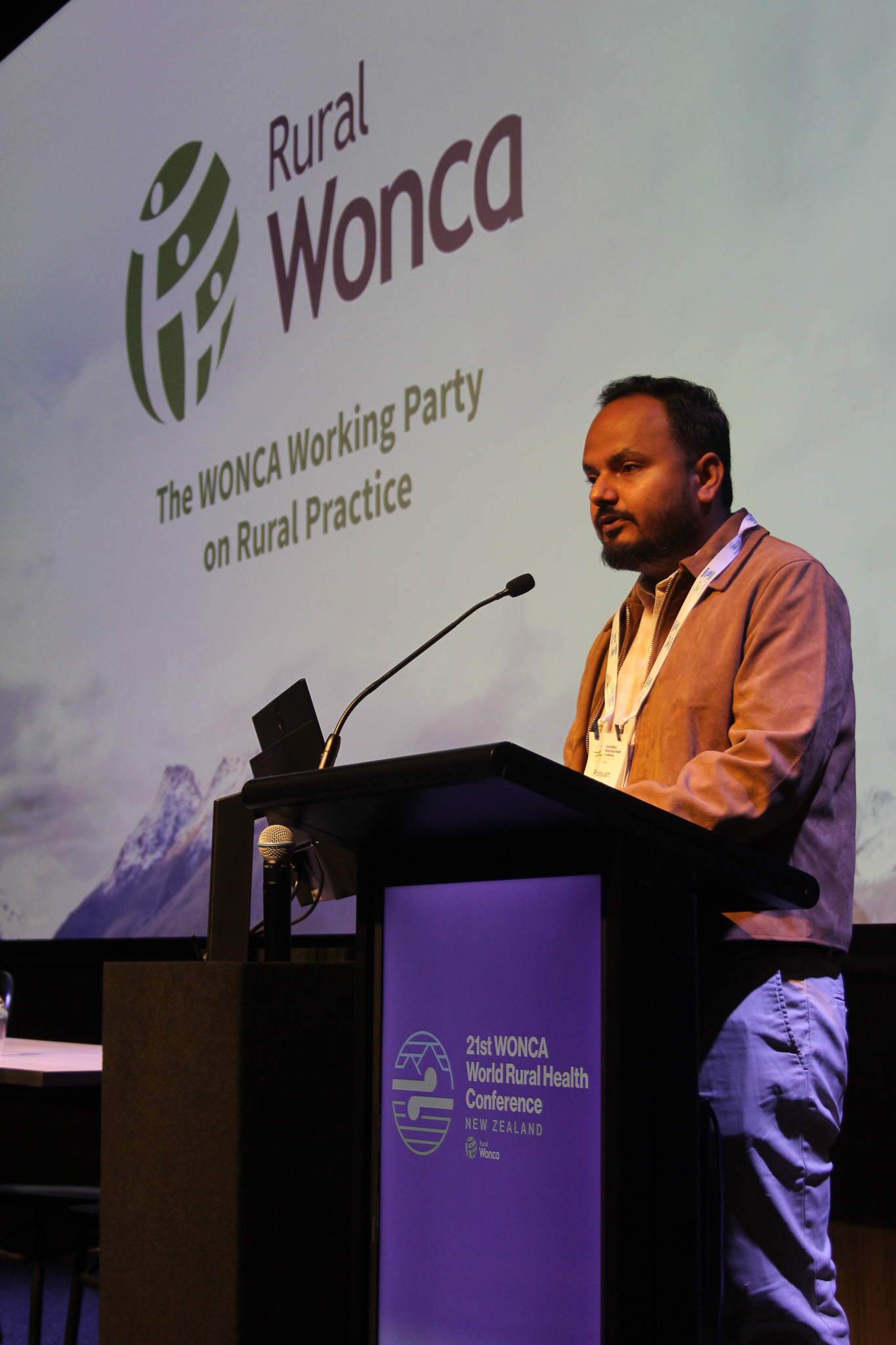
The initiative was introduced at the Rural WONCA Assembly, held on Thursday 9 April as part of the 21st WONCA World Rural Health Conference in Wellington, New Zealand. The session was opened by Dr Pratyush Kumar, Chair of the WONCA Working Party on Rural Practice, and included an address from Audrey Sonerson, Director General of Health and Chief Executive of New Zealand's Ministry of Health.
What is GRACE?
GRACE is designed to identify and formally recognise organisations — academic centres, health services, professional bodies, workforce support groups, and multidisciplinary organisations — that have demonstrated proven commitment to rural health. Rather than creating a new institution, GRACE provides a shared framework and a global network through which these organisations can collaborate, share knowledge, and strengthen the case for rural health equity worldwide.
The initiative responds to a clear need. Rural communities globally face disproportionate workforce shortages, limited access to training and research infrastructure, and growing pressure on health systems. GRACE aims to counteract professional isolation, facilitate knowledge transfer, and build a resilient global community focused on practical, evidence-based solutions.
What happened at the Assembly
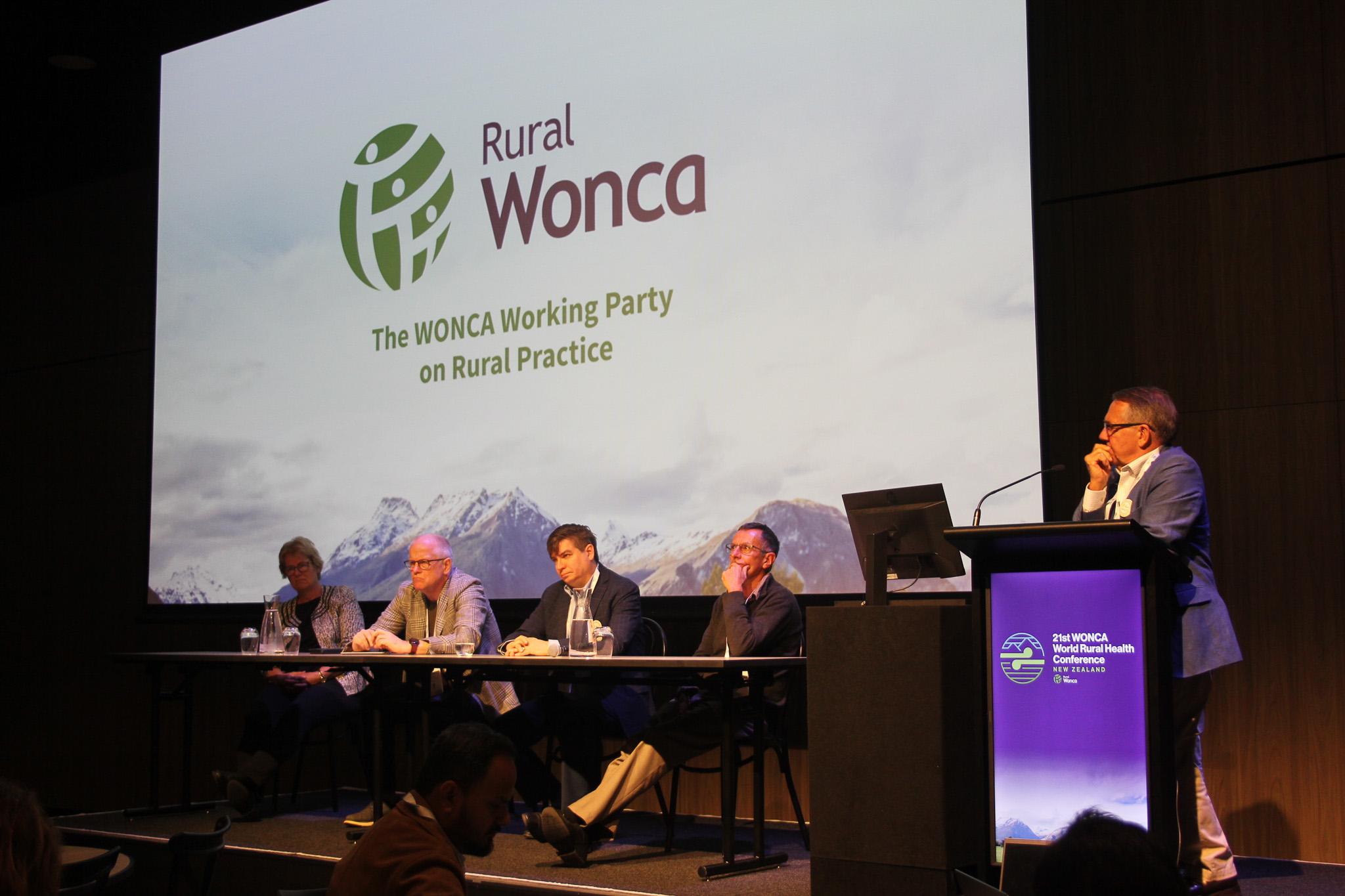
Thursday's session brought together representatives from partner organisations across four continents, with presentations from institutions including the Northern Ontario School of Medicine (Canada), the National Rural Health Commissioner (Australia), the University of Otago (New Zealand), and the Norwegian Centre for Rural Medicine at the Arctic University of Norway.
The morning session featured presentations on recruitment and retention, place-based models of care, rural generalist medicine, and rural health policy. Afternoon workshops gave participants the opportunity to discuss how successful initiatives might be scaled or adapted across different settings, with findings fed back to the full Assembly.
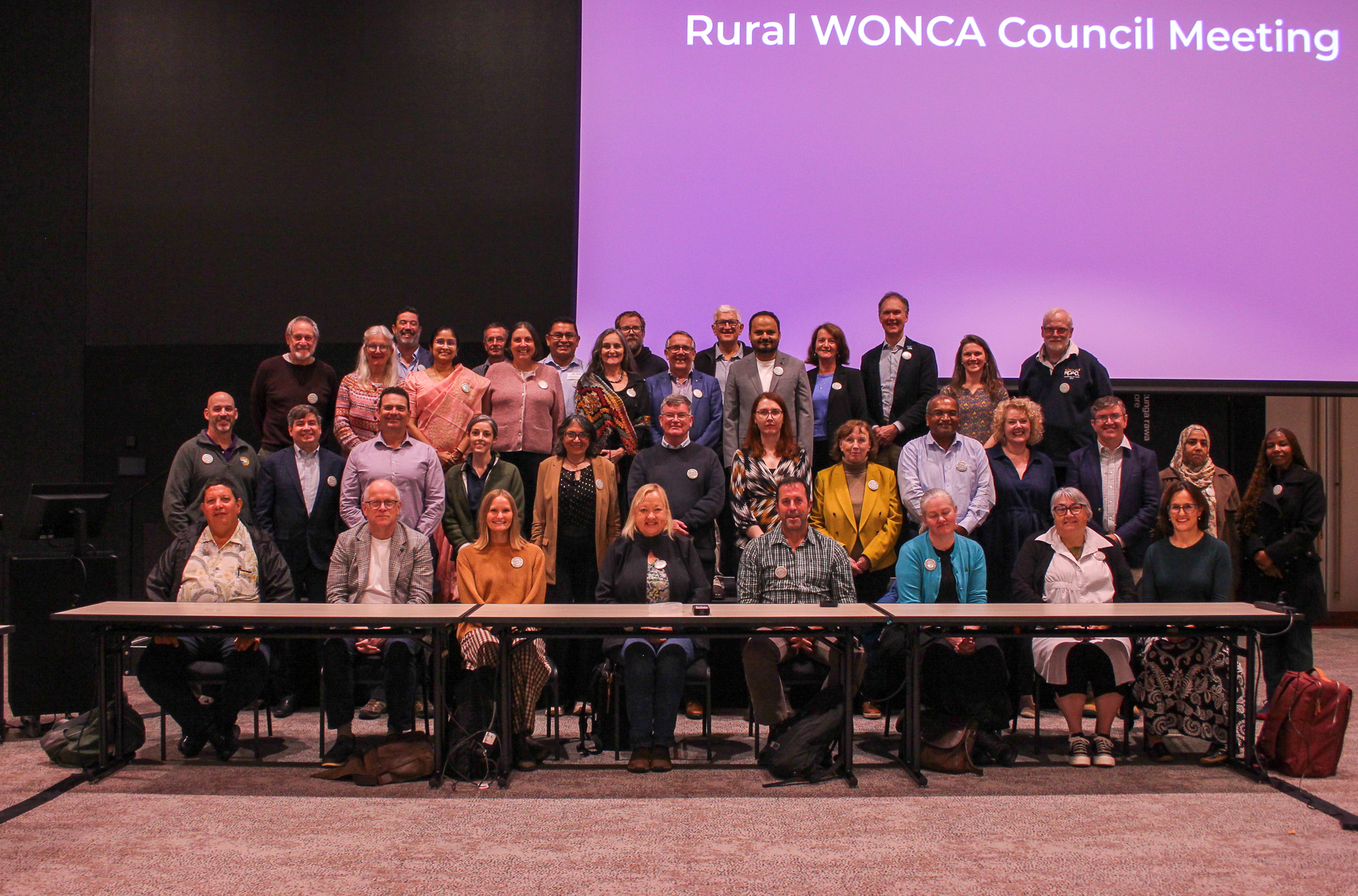
The Assembly forms part of a broader week of activity at the Wellington conference, with the Rural WONCA Council meeting and workshop taking place on Wednesday 8 April ahead of the main conference programme.
Organisations invited to join
Rural WONCA is welcoming enquiries from organisations interested in becoming GRACE partners. Eligible bodies include universities graduating rural medical professionals, rural health services, professional organisations representing rural doctors and health workers, workforce support bodies, and multidisciplinary rural advocacy groups.
Partner organisations will have the opportunity to contribute to shared educational resources, participate in joint research and advocacy, and engage with governance through the Rural WONCA Assembly. Participation is voluntary, with membership subject to reconfirmation every two years.
Organisations interested in learning more or exploring partnership are encouraged to contact the WONCA Working Party on Rural Practice directly at rural@wonca.com.