SPACE Project Publishes State of the Art Report on Social Prescribing
SPACE Project publishes State of the Art Report on social prescribing and cancer recovery
The SPACE Project has published its State of the Art Report, a key milestone in the Erasmus+ Social Prescribing and Civic Engagement project. WONCA is a partner in the project, offering the perspective of family medicine and primary care as SPACE explores how social prescribing and volunteering can support people recovering from cancer.
The report brings together desk research, a scoping literature review, country reports, survey findings, focus groups and interviews. It includes responses from more than 500 health and social care practitioners, nine focus groups involving 88 participants, and surveys with 25 people across Malta, Greece, Ireland, Spain and the United Kingdom.
For family doctors, the report is especially relevant because social prescribing is closely linked to the wider determinants of health. It describes social prescribing as a way to refer people with social, emotional or practical needs to non-clinical support in the community, including exercise classes, arts and music activities, gardening, support groups and volunteering.
What makes SPACE distinct is its focus on the role of people recovering from cancer as volunteers themselves, particularly in urban and community gardens. As the report notes, this approach can support a shift from seeing people only as recipients of care towards recognising their agency, skills, dignity and contribution.
“The study is also about changing people’s views. So instead of this being a cancer patient, here is a person who is recovering from cancer, who’s volunteering in a community garden.”
Professor Joyce Kenkre, representing WONCA in the SPACE Project
This is central to the project’s idea of Empowerment Through Purposeful Contribution, one of the principles identified in the report. The model aims to support people recovering from cancer to rebuild confidence, develop a renewed sense of purpose and take part in community life in a way that is flexible and sensitive to different stages of recovery.
Learn more about the SPACE Project
WONCA’s role in SPACE
WONCA is represented in the project by Professor Joyce Kenkre and Dr Ferdinando Petrazzuoli, bringing expertise from family medicine, social prescribing, cancer care and community-oriented primary care.
WONCA’s previous communication on the project highlighted its contribution through the WONCA Special Interest Group on Cancer and Palliative Care and collaboration with WONCA Europe’s Social Prescribing Interest Group. WONCA’s role includes supporting training for health and social care professionals, helping to connect healthcare providers and civil society organisations, and contributing to European research on social prescribing.
Dr Petrazzuoli has also underlined why primary care matters in this work, noting that family doctors often know patients not only through their disease, but through their family, emotions, social circumstances and wider life context. This is one reason social prescribing fits closely with the values of family medicine.
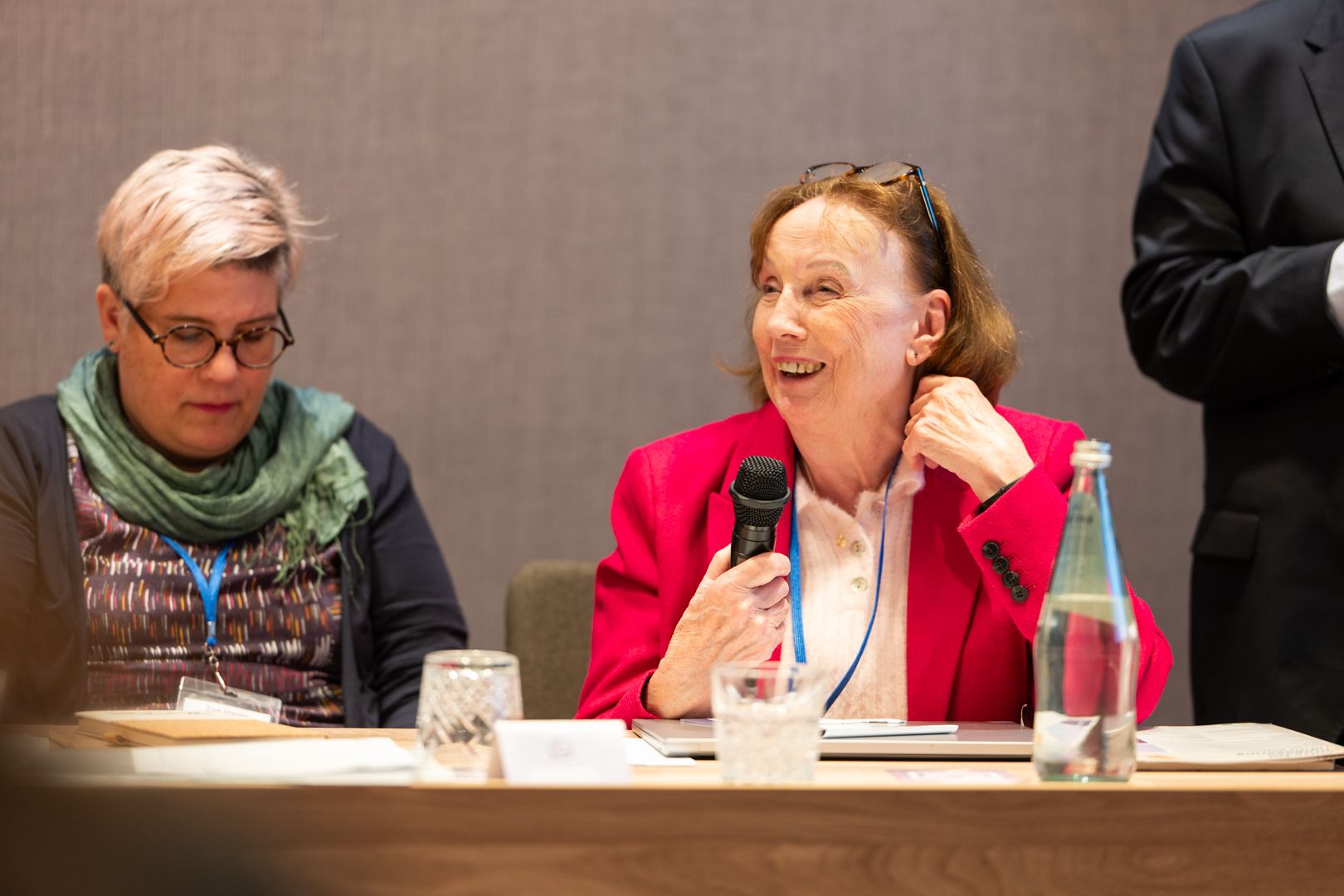
Professor Joyce Kenkre represented WONCA at the SPACE Project Community of Practice launch in Malta.
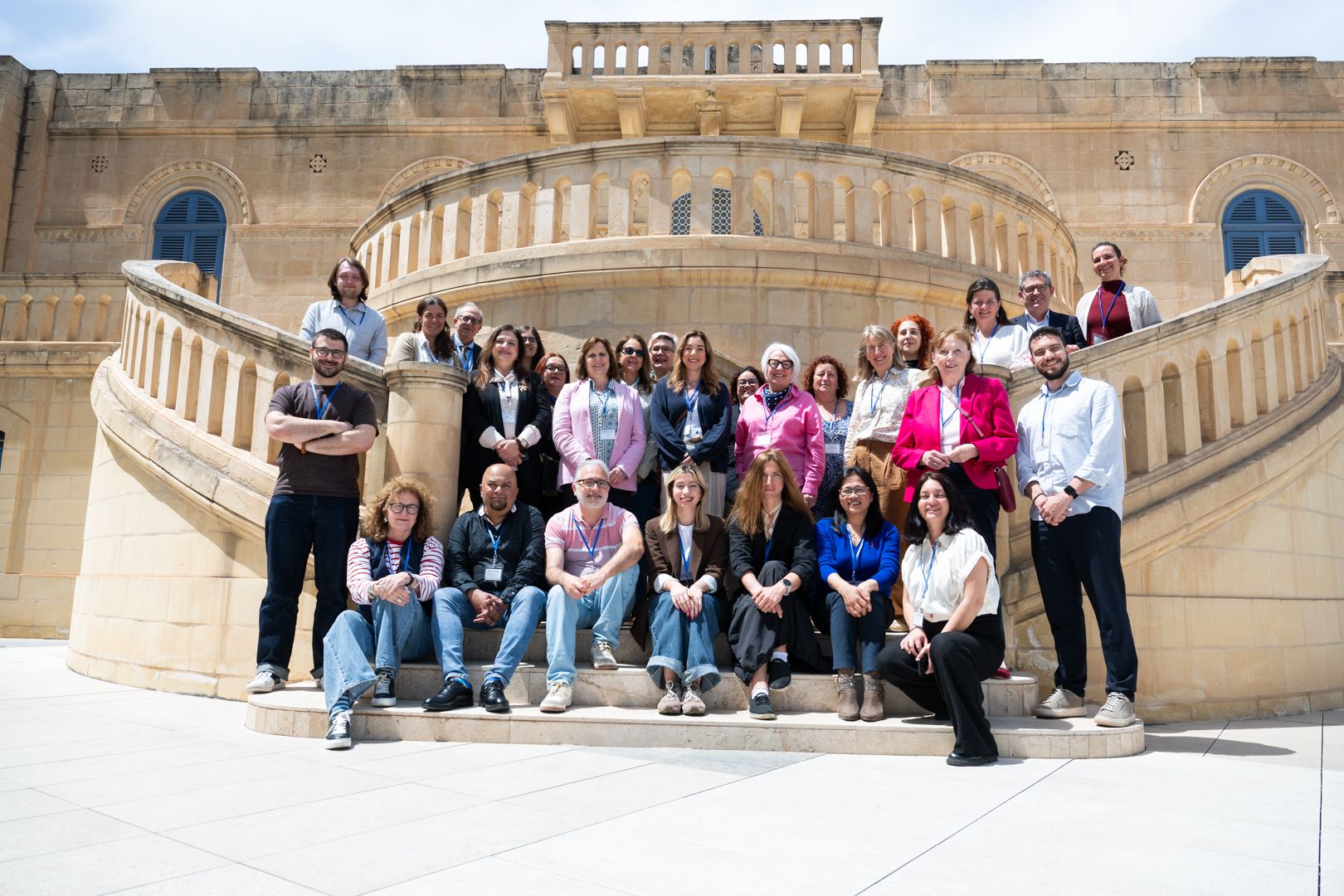
On 17 April, partners of the SPACE Project came together in Malta to mark the launch of the project’s Community of Practice. The meeting brought partners and stakeholders together to exchange learning and support the next phase of the project.
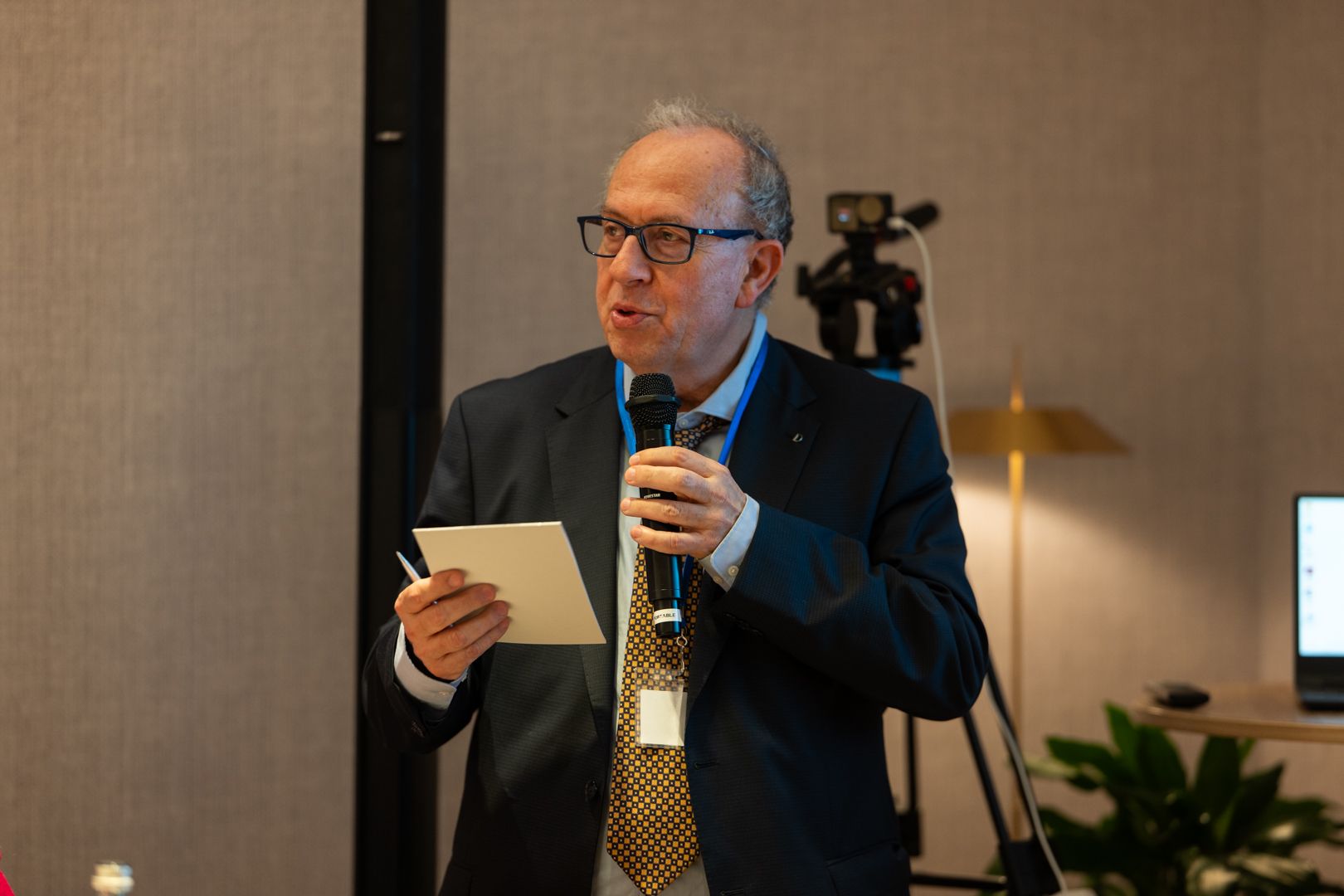
Dr Ferdinando Petrazzuoli represented WONCA in discussions on the role of primary care and referral pathways.
From evidence to training and practice
The State of the Art Report was produced through Work Package 2 of the project. This phase brought together desk research, national and European context analysis, focus groups and the development of the report itself.
The work now continues into the next stages of SPACE, including the development of model programmes and training materials for medical practitioners, volunteer managers and other stakeholders. WONCA will remain involved in helping to ensure that the project reflects the realities of family medicine and primary care, including the need for safe, practical and person-centred referral pathways.
The SPACE Project is approved and funded by the European Union through Erasmus+. It is led by the Centre for European Volunteering, with partners including the European Platform for Rehabilitation, Volunteer Ireland, WONCA, Heaton Mersey Village Conservation Group, the Hellenic Cancer Federation, the Malta Council for the Voluntary Sector, and IDIAP Jordi Gol.
Key findings
The report shows that social prescribing is developing unevenly across Europe. In the United Kingdom, social prescribing is integrated into the NHS and supported by initiatives such as Green Social Prescribing. In Ireland, social prescribing has developed through the Sláintecare strategy, with strong links between health services, local councils and voluntary organisations. Malta, Greece and Spain are at earlier stages, with promising community-based and pilot approaches.
The report also identifies barriers that must be addressed if social prescribing is to become structured and sustainable. These include the need for training and oversight, equity of access, volunteer recruitment and retention, stable funding, clear referral mechanisms, safeguarding, and better evaluation.
For the next phase of the project, the report sets out guidelines for model and training development. These include safety-first rehabilitation design, emotionally secure environments, purposeful contribution, peer support networks, inclusive access, healthcare system integration and policy advocacy. It also calls for training that supports cancer-patient volunteers, link workers, referrers, NGO and garden staff, and volunteers.
A central message is that social prescribing should be connected to a biopsychosocial model of health. This is also a core part of family medicine: understanding the person in their full context, not only the disease. For people recovering from cancer, that can mean support for physical recovery, emotional wellbeing, social connection, identity, purpose and participation in community life.
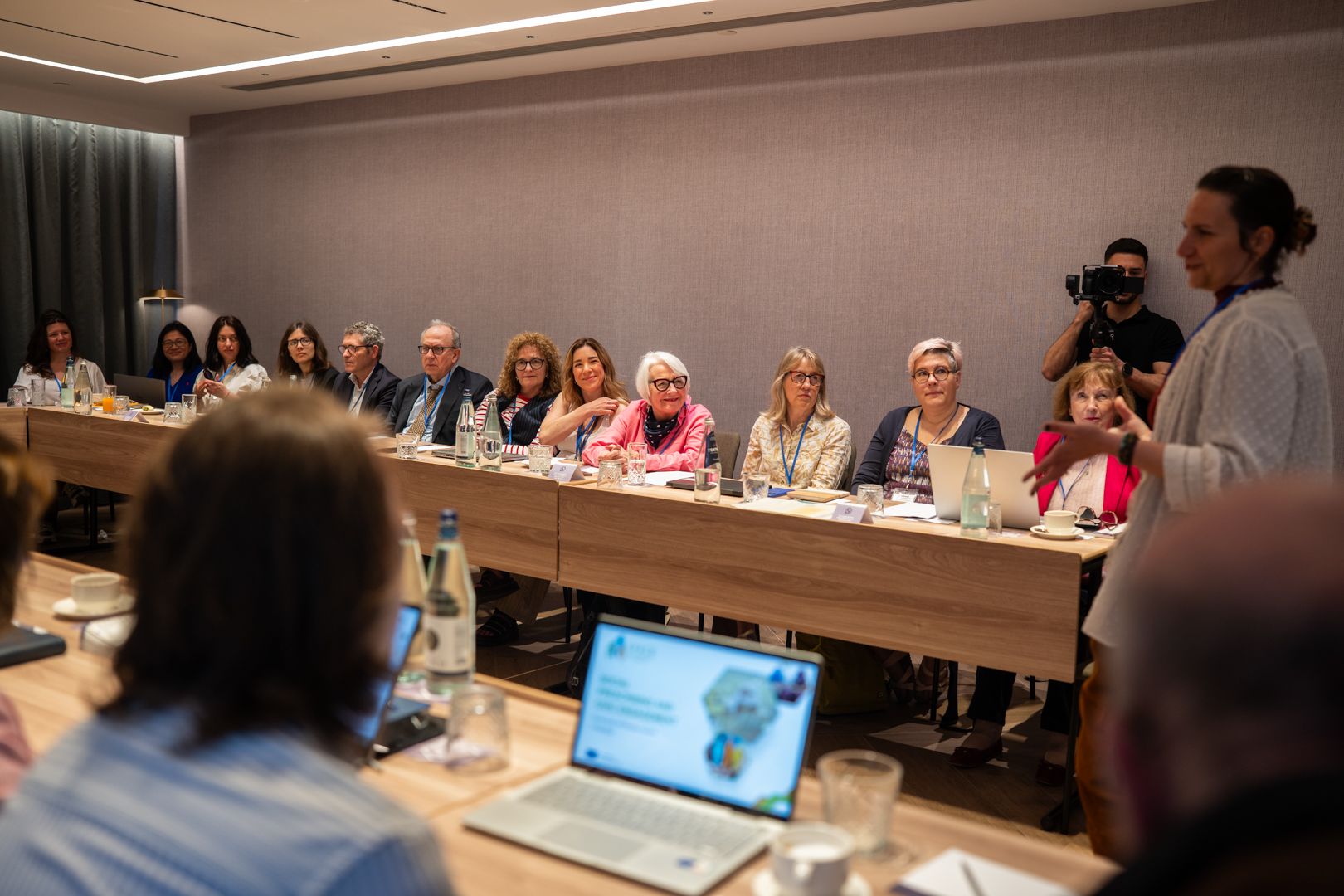
SPACE Project partners gathered in Malta for the Community of Practice launch.
Watch: Social prescribing and family medicine
WONCA has previously marked Social Prescribing Day, highlighting the growing relevance of social prescribing to family medicine and community-oriented primary care. Read WONCA’s previous Social Prescribing Day article.
Read the report
The State of the Art Report is available on the SPACE Project website:
Read the SPACE State of the Art Report
Family doctors, primary care teams, social prescribing groups, civil society organisations and policymakers can use the report as a resource to advocate for structured, supported social prescribing in their country or region.

Funded by the European Union. Views and opinions expressed are those of the authors only and do not necessarily reflect those of the European Union or EACEA. Neither the European Union nor the granting authority can be held responsible for them.