WONCA EMR Newsletter, June 2026
WONCA EMR Newsletter, June 2026
WONCA EMR Newsletter, June 2026
The June 2026 edition of the WONCA Eastern Mediterranean Region (EMR) newsletter marks World Family Doctor Day with the theme "Compassionate Care in a Digital World." It brings together a message from the EMR President, regional World Family Doctor Day activities, a research feature on cancer care for the oldest-old, updates from the Al-Razi young doctors' movement, a profile of family medicine in Oman, and details of the WONCA EMR Conference 2026 in Cairo.
Download the full newsletter as a PDF
Contents
- A Message from the President
- WONCA EMR Participation in World Family Doctor Day
- From Data to Dignity: Cancer Care for the Oldest-Old in the MENA Region
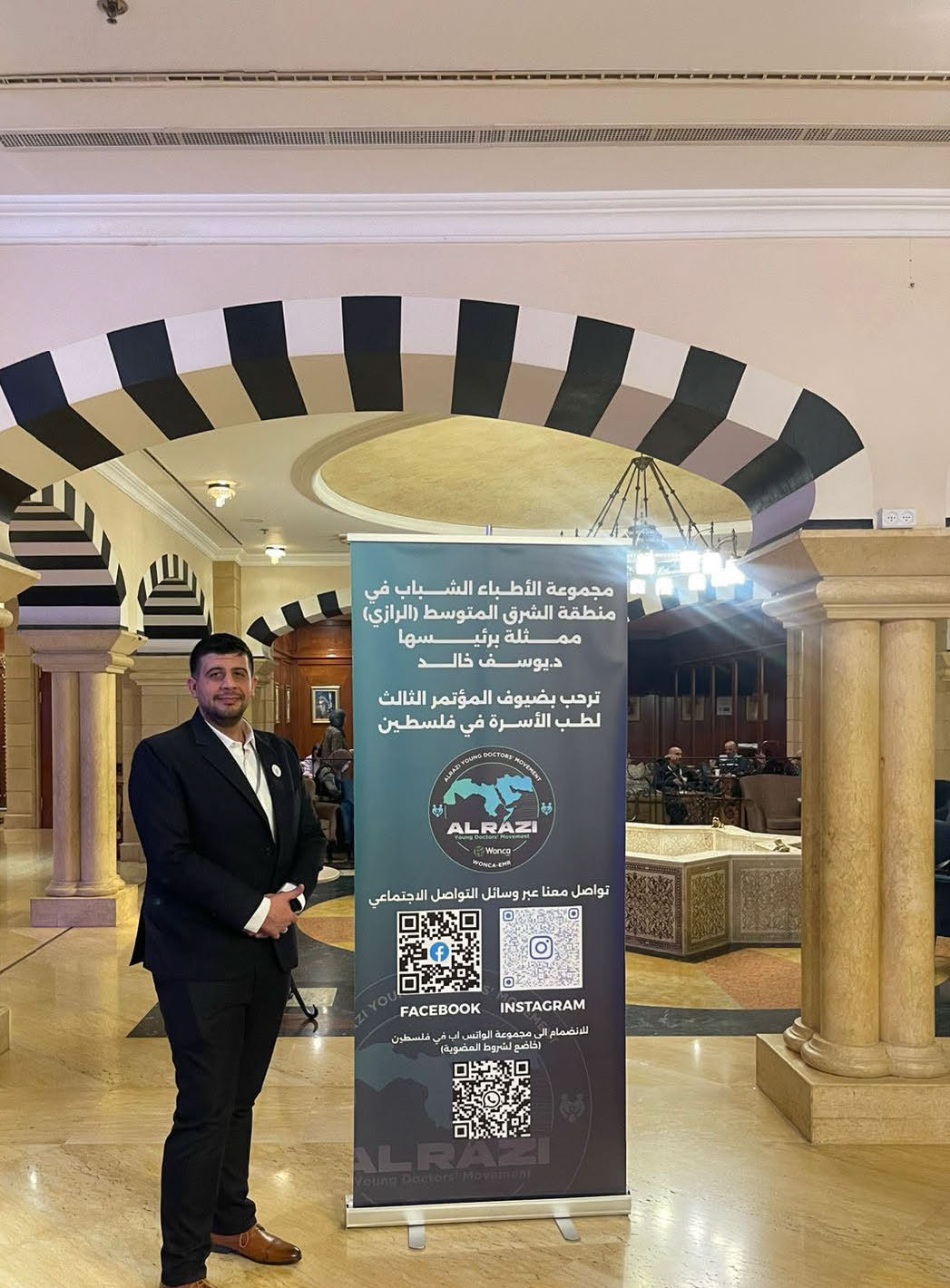
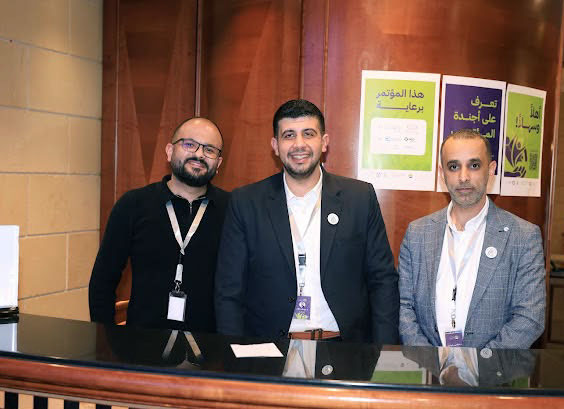
- Al-Razi Activities and Achievements
- The Journey of Family Medicine in Oman: From Vision to International Recognition
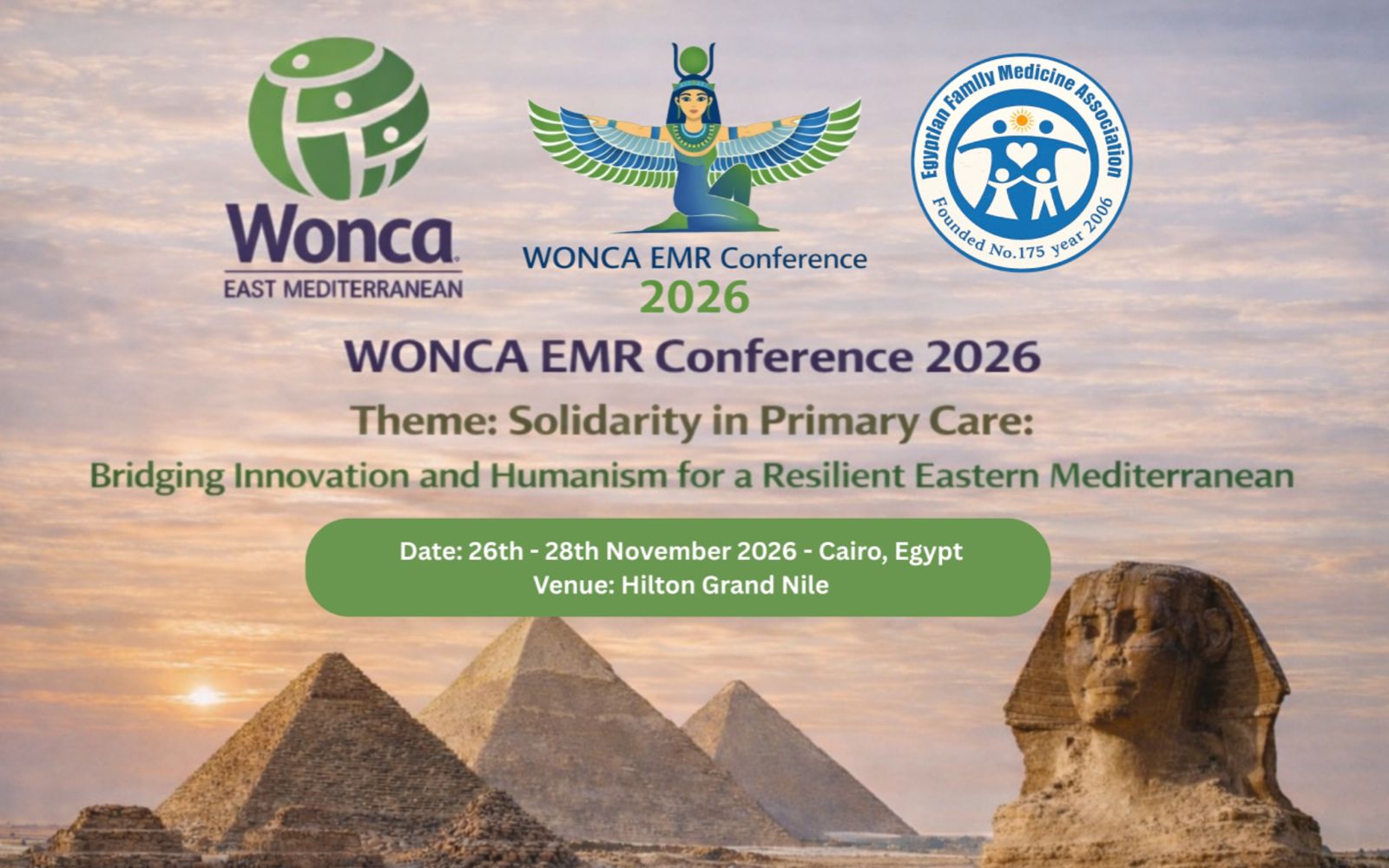
- WONCA EMR 2026 Conference to Be Held in Cairo
WONCA EMR Executive Board
- President: Professor Faisal Al Naser (Bahrain)
- President-Elect: Dr Mohammed Al Azmi (Kuwait)
- Honorary General Secretary: Dr Suha Hamshari (Palestine)
- Honorary Treasurer: Dr Najat Al Zedjali (Oman)
- Member at Large: Dr Malak Al Shammari (Saudi Arabia)
- Member at Large: Dr Najala El Lakis (Lebanon)
- Member at Large: Dr Samar Mouazen (Syria)
- YDM Representative: Dr Yousef Khalid (Palestine)
- Newsletter Editor: Dr Suha Hamshari (Palestine)
- Newsletter Associate Editor: Dr Nagwa Nashat Hegazy (Egypt)
A Message from the EMR President
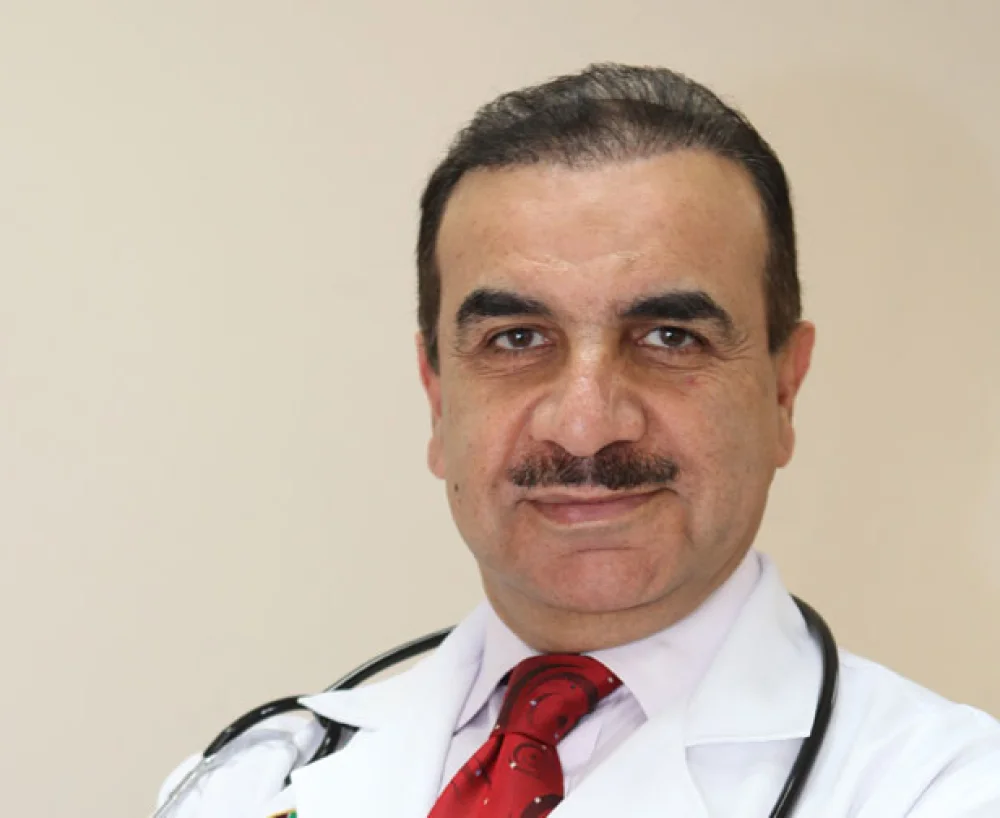
In the name of God, the Most Merciful, the Most Compassionate.
Dear Colleagues, Friends, and Champions of Primary Care,
I am proud to address you in this edition of our newsletter, which highlights the work of family doctors across the EMRO region. This issue coincides with World Family Doctor Day, a reminder that family doctors are central to every healthy community.
Family medicine is not just another specialty. It is the foundation of all medicine upon which sustainable, equitable, and human healthcare is built. Here, the family physician knows the patient not as a diagnosis or a file number, but as a person, with a history, a family, a culture, and a story. We are the first point of contact, the continuous thread of care across a lifetime, and the trusted voice in moments of fear and uncertainty. Any health system anchored on strong primary care delivers better outcomes, greater equity, and lower costs. In our EMRO region, spanning more than 16 diverse nations, this mission has never been more urgent or more required than before.
While we welcome technological advances and artificial intelligence, these tools cannot in any way replace the unique role of family doctors. AI cannot sense a patient's hesitation, understand cultural nuances, or address the complex social factors affecting health. Family physicians provide human presence, trust, and clinical wisdom that no algorithm can replicate. AI should support our work, not replace it. The question is not whether AI is capable, but whether it is sufficient. The answer is clearly no.
I want to take this opportunity on World Family Doctor Day to extend my warmest congratulations and deepest gratitude to every family physician across our EMRO Region, from Afghanistan to Morocco, and beyond. You work in systems that are often under-resourced. You carry caseloads that would exhaust the strongest among us. You serve patients who arrive not just with symptoms, but with lives in need of guidance. And yet, day after day, you show up, with skill, with compassion, and with an unwavering dedication to the health of your communities. You are not merely doctors. You are the guardians of public health, the pillars of your communities, and the finest ambassadors of what medicine was always meant to be.
To all of you, thank you. Your work is seen. Your sacrifices are honored. And your contribution to the health of millions across this region is immeasurable.
With respect, solidarity, and great hope for the future of family medicine,
Prof. Faisal Abdullatif Alnaser, FRCGP, MRCGP, MICGP, FFPH, PhD, AFM(USA)
Professor of Family Medicine
President, WONCA Eastern Mediterranean Region
President of Bahrain Family Physicians Association
Kingdom of Bahrain
WONCA EMR Participation in World Family Doctor Day: Compassionate Care in a Digital World
WONCA Eastern Mediterranean Region actively participated in World Family Doctor Day through several regional and national activities that highlighted the essential role of family physicians in providing compassionate, continuous, and person-centered care. This year's theme, "Compassionate Care in a Digital World," offered an important opportunity to reflect on how technology and artificial intelligence can support healthcare while preserving the human values at the heart of family medicine.
As part of the regional celebration, the WONCA EMR Executive Board shared an interactive video addressing the theme of the year. The video emphasized that although digital tools can improve access, efficiency, and clinical decision-making, they should never replace empathy, trust, active listening, and the therapeutic relationship between doctors and patients. It also highlighted the role of family physicians in leading digital transformation while maintaining compassionate care.
Member organizations across the region also contributed to the celebration. Different family medicine associations, including those in Syria and Jordan, organized activities to mark World Family Doctor Day and recognize the contribution of family doctors to individuals, families, and communities. These activities reflected the shared commitment of WONCA EMR members to strengthening family medicine and primary health care across the Eastern Mediterranean Region.
In addition, the Al-Razi Movement prepared a special webinar under the title "Compassionate Care in a Digital World." The webinar provided an interactive platform to discuss the opportunities and challenges of digital health and artificial intelligence in family medicine. It also emphasized the importance of preserving empathy, communication, shared decision-making, and human connection in clinical practice.
Overall, WONCA EMR's participation in World Family Doctor Day reflected unity, collaboration, and a strong commitment to the future of family medicine. The celebration delivered a clear message: technology should support physicians, not replace them. In an increasingly digital world, compassionate care remains the heart of family medicine.
From Data to Dignity: Cancer Care for the Oldest-Old in the MENA Region
Technology is no longer optional in family medicine; it has become an essential tool for improving access, continuity, and quality of care. However, innovation must never come at the expense of ethics, patient privacy, or the human connection that lies at the heart of family medicine. This balance between innovation and humanity is especially important when caring for vulnerable populations, including the oldest-old.
The recent study by Lakkis and colleagues, "Cancer in the Oldest-Old Population in the MENA Region: Epidemiology and Temporal Trends Based on GBD 2021," highlights a rapidly growing public health challenge. Cancer incidence and mortality among people aged 85 years and older in the MENA region are rising faster than global trends, with a particularly steep increase among women.
These findings are a call to action for health systems, policymakers, and family physicians across the region. Strengthening prevention, early detection, cancer registration, access to care, and geriatric oncology services is urgently needed. As family physicians, our role is not only to manage disease, but also to advocate for dignified, equitable, and person-centered care for older adults and their families.
Further reading: Cancer in the Oldest-Old Population in the MENA Region: Epidemiology and Temporal Trends Based on GBD 2021. Najla A Lakkis, Nour M Mokalled, Mona H Osman, Umayya M Musharrafieh. PMID: 41420416. PMCID: PMC12718346. DOI: 10.1177/10732748251408880.
Al-Razi Activities and Achievements
During the reporting period, Al-Razi advanced its academic and professional presence through a series of targeted initiatives. Exploratory meetings were held with leading educational and scientific platforms, including AMBOSS, to identify concrete opportunities for collaboration. Parallel discussions were conducted with local professional associations to establish strategic partnerships and broaden Al-Razi's academic outreach.
Al-Razi maintained an active conference presence, participating in multiple family medicine conferences across Palestine and Lebanon, contributing to scientific discourse and professional development within the specialty.
On the educational front, Al-Razi organized a series of scientific lectures and academic sessions. Most recently, the organization hosted an online webinar titled "Compassionate Care in a Digital World," convening distinguished family medicine specialists from across the Arab world to examine the intersection of compassionate care and the evolving digital health landscape.
Among the period's standout achievements was the selection of Dr Mohammad Dawood, one of Al-Razi's members, for the NCDs Fellowship, following a competitive nomination process. This recognition reflects his professional distinction and Al-Razi's ongoing commitment to cultivating the next generation of healthcare leaders in family medicine.
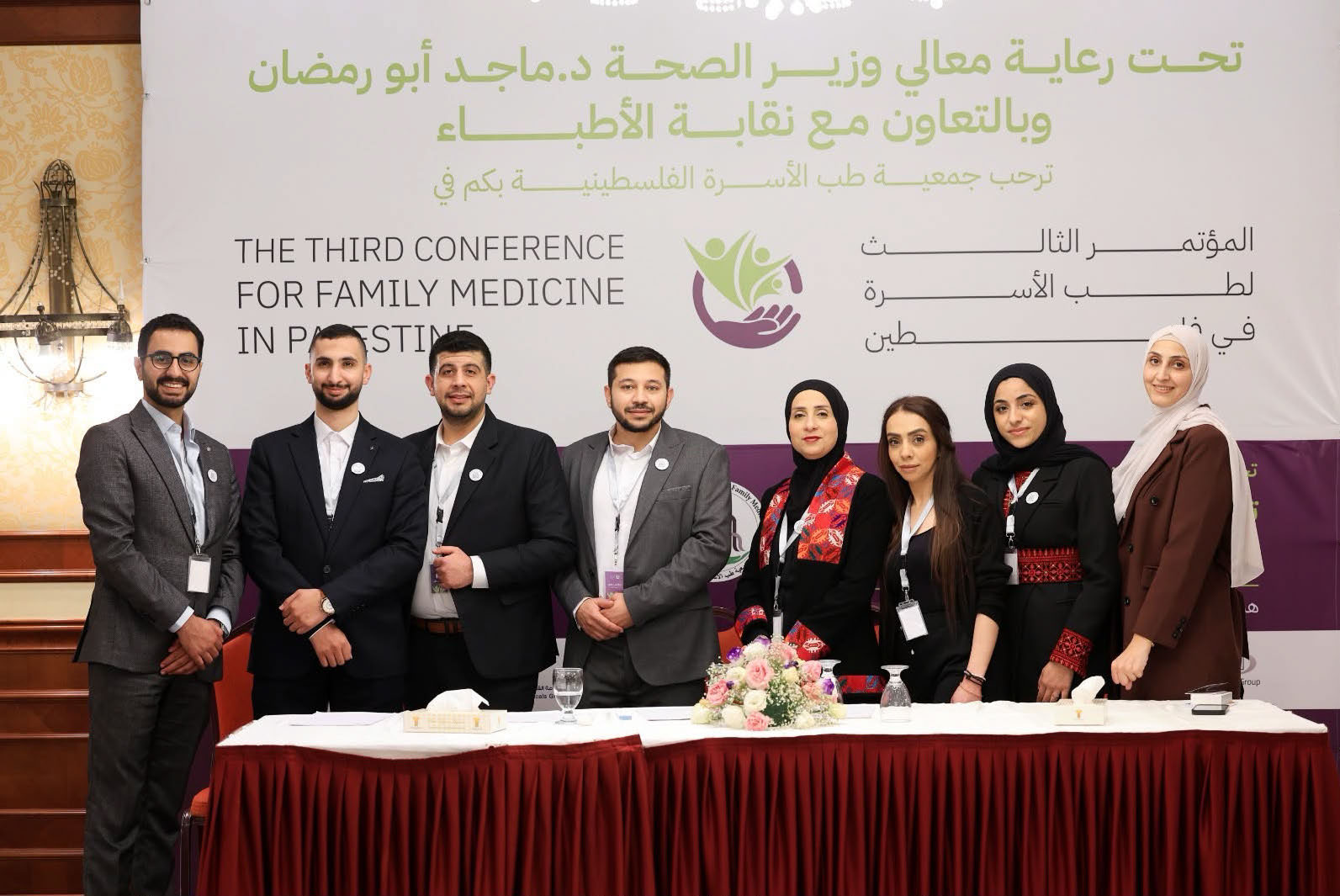
The Journey of Family Medicine in Oman: From Vision to International Recognition
 Family Medicine in Oman is a story of vision, leadership, and commitment to people-centered care. Over the past four decades, the specialty has evolved from a new academic discipline into a cornerstone of healthcare delivery and a major contributor to one of the world's most respected primary healthcare systems.
The journey began in 1987 with the establishment of the Department of Family Medicine at Sultan Qaboos University, followed by the launch of the Family Medicine Residency Program in 1994. These milestones reflected a national commitment to developing physicians capable of providing comprehensive, continuous, and community-oriented care.
The early years were marked by challenges, including limited training capacity and a shortage of qualified trainers. Through strong leadership, international collaboration, and sustained investment in education, Family Medicine steadily gained recognition as an essential specialty. Today, more than 300 trained family physicians serve communities across Oman, providing care in primary healthcare centers, hospitals, academic institutions, and leadership positions.
As the specialty matured, its impact became increasingly evident. Family physicians became the first point of contact for individuals and families, delivering preventive care, maternal and child health services, chronic disease management, mental healthcare, health promotion, and continuity of care across all stages of life.
One of the greatest strengths of Family Medicine has been its ability to build long-term relationships with patients and families. By caring for multiple generations, family physicians provide not only medical expertise but also trust, continuity, and a deeper understanding of the social and environmental factors that influence health.
The success of Family Medicine has contributed significantly to Oman's internationally recognized primary healthcare system. The World Health Organization has highlighted Oman as a model for primary healthcare development, demonstrating how strong primary care can improve health outcomes, enhance equity, and create sustainable healthcare systems. The Omani experience continues to inspire countries seeking to strengthen their own primary care services.
Despite these achievements, important challenges remain. The growing burden of non-communicable diseases, population ageing, increasing healthcare expectations, and workforce demands require continued innovation and expansion of Family Medicine services. Strengthening research capacity, increasing training opportunities, and ensuring equitable access to family physicians across all regions remain important priorities.
The next chapter of Family Medicine in Oman is being shaped by innovation. Digital health, telemedicine, electronic health records, and artificial intelligence offer exciting opportunities to improve care delivery. Yet the essence of Family Medicine remains unchanged: a commitment to compassionate, person-centered care that places patients, families, and communities at the heart of every decision.
The Omani Society of Family Medicine continues to play a vital role in advancing the specialty through professional development, advocacy, scientific exchange, and collaboration with international partners, particularly through WONCA. These partnerships strengthen the specialty while connecting Omani family physicians to the global Family Medicine community.
As Oman moves toward Vision 2040, Family Medicine is well positioned to lead the next phase of healthcare transformation. By combining innovation with its enduring values of continuity, comprehensiveness, prevention, and community engagement, Family Medicine will continue to shape the future of healthcare in Oman.
The journey of Family Medicine in Oman is far from complete. It is a journey that continues to evolve, guided by a simple yet powerful mission: improving the health and wellbeing of individuals, families, and communities through excellent primary care.
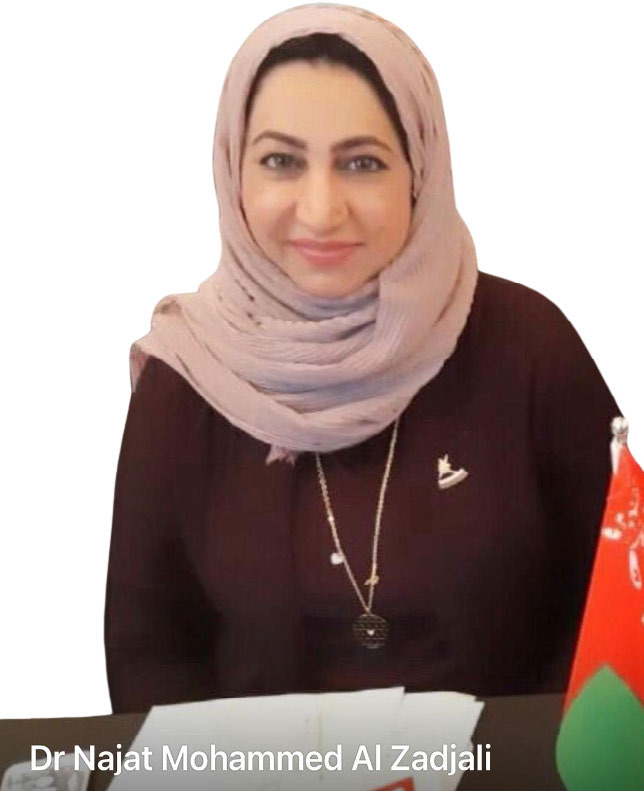
Dr Najat Mohammed Al-Zadjali
President, Omani Society of Family Medicine
WONCA EMR 2026 Conference to Be Held in Cairo
Under the theme of Solidarity in Primary Care.
Cairo is preparing to host the WONCA EMR Conference 2026 from 26 to 28 November 2026 at the Hilton Grand Nile, in collaboration with the Egyptian Family Medicine Association. The event is expected to bring together family doctors, healthcare professionals, academics, and primary care leaders from across the Eastern Mediterranean Region.
The conference will be held under the theme: "Solidarity in Primary Care: Bridging Innovation and Humanism for a Resilient Eastern Mediterranean."
This year's conference will highlight the central role of family doctors as the heart of primary care. The scientific program will include a dedicated track on Clinical Excellence and Chronic Disease Management, focusing on practical issues that family physicians face in their daily practice.
Key topics will include evidence-based approaches to managing non-communicable diseases such as diabetes and hypertension, the integration of mental health into primary care, and strategies to address the healthcare needs of aging populations.
The conference will also provide an important platform for networking, knowledge exchange, and regional collaboration. Participants will have the opportunity to gain practical skills, share experiences, and explore how innovation can strengthen healthcare systems while preserving the humanistic values of family medicine.
Family doctors and primary care professionals are invited to join this important regional event in Cairo. Full details and registration are available on the conference website: woncaemr2026.org.
Visit the conference website